


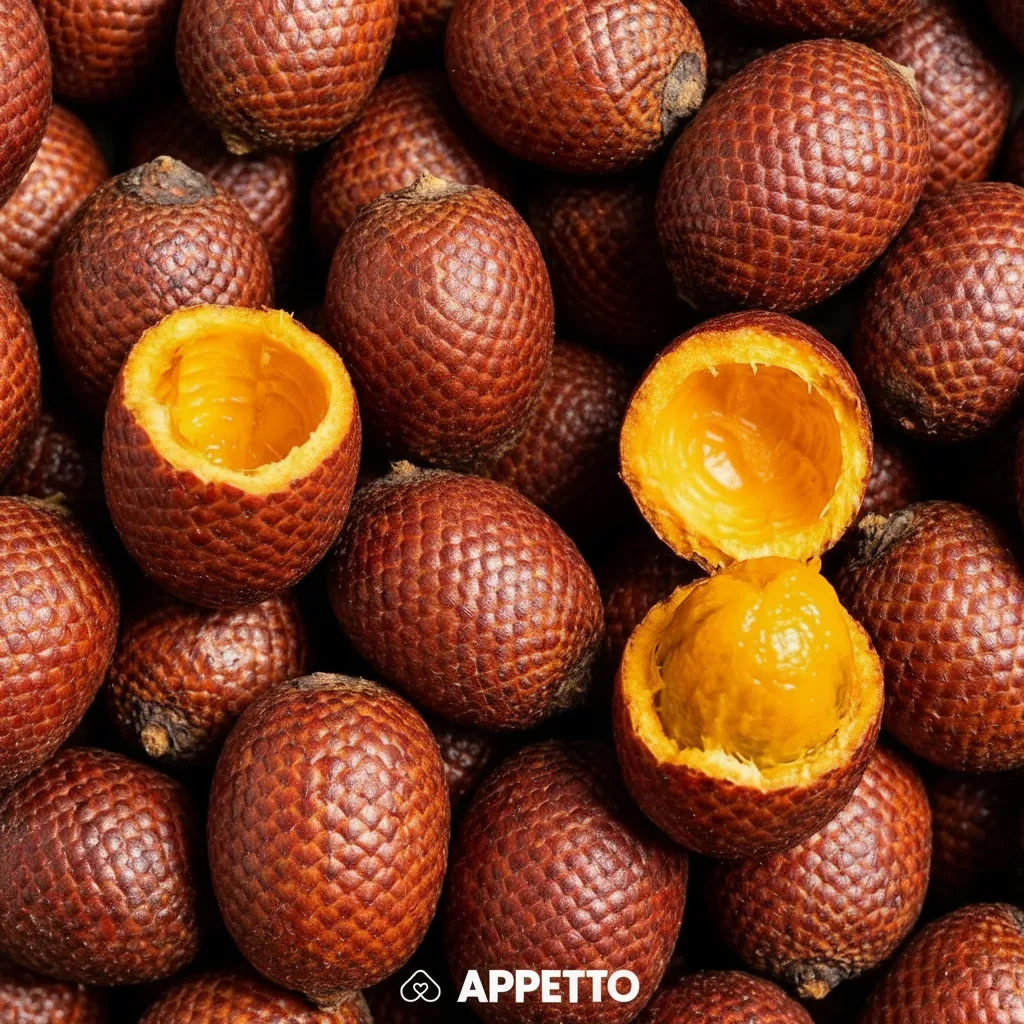
Dogs may eat a small amount of plain aguaje pulp, provided the hard pit and peel are removed. It is calorie-dense and should remain an occasional treat rather than a regular part of the diet.
Quick verdict
- For dogs: acceptable in small amounts.
- Key point: offer plain pulp only, never the pit or peel.
Can dogs eat aguaje?
Aguaje pulp is not known to be toxic to dogs. It may be offered in small amounts, but it should not be given often, particularly to dogs that gain weight easily.
Is aguaje dangerous or toxic to dogs?
The pulp is not the main concern. The hard pit can damage teeth, cause choking, or lead to an intestinal blockage if swallowed. Fermented fruit may also cause additional digestive or behavioral problems.
Are there any benefits?
Aguaje contains beta-carotene, vitamin C, antioxidants, fatty acids, and some fiber. These nutrients are a minor bonus rather than a reason to make the fruit a regular treat.
- Provides carotenoids and plant antioxidants.
- Offers a small amount of energy and micronutrients.
What are the risks?
Aguaje is a calorie-dense fruit, so the serving should remain small and occasional.
- Its calorie and sugar content may contribute to weight gain.
- Too much pulp may cause gas, diarrhea, or stomach discomfort.
- Avoid the pit, peel, fermented fruit, juice, oil, sweetened purée, desserts, and processed products.
How much aguaje can a dog eat?
Start with a small amount of fresh, plain pulp. It should remain an occasional taste rather than a daily treat.
- Small dog: one very small piece of pulp.
- Medium dog: one or two small pieces.
- Large dog: a few small pieces, no more than a small treat.
Can dogs eat raw, cooked, or processed aguaje?
Fresh, plain pulp may be offered raw when properly prepared. Avoid juices, desserts, sweetened purées, oils, and processed products because they may be more concentrated, sugary, or fatty.
How to prepare aguaje for a dog
- Remove the hard pit completely.
- Remove the peel and keep only the pulp.
- Serve a small amount plain, with no sugar or seasoning.
When should aguaje be avoided?
- Puppies and senior dogs.
- Dogs with sensitive digestion.
- Dogs with diabetes, pancreatitis, excess weight, or digestive disorders.
- Dogs taking medication or eating a prescribed veterinary diet.
My dog ate aguaje: what should I do?
If your dog ate a little pulp, monitor their digestion. Contact a veterinarian if the pit or peel was swallowed, a large amount was eaten, or the fruit was fermented.
Warning signs to watch for
Watch for vomiting, diarrhea, gas, abdominal pain, lethargy, restlessness, choking, retching, or signs of an intestinal blockage.
Safer alternatives
- A small piece of cooked carrot.
- A few plain blueberries.
- A piece of seedless apple.
How can APPETTO help?
APPETTO helps you understand the role of everyday foods, compare pet products, and identify more suitable choices with Pet-Score®. Download APPETTO.
FAQ
Is aguaje toxic to dogs?
The pulp is not known to be toxic, but the pit and peel should not be eaten.
How much aguaje can I give my dog?
Offer only a small amount of plain pulp, and only occasionally.
Can dogs eat raw aguaje?
Yes, a small amount of fresh, plain pulp may be offered with the pit and peel removed.
Can dogs eat the aguaje pit?
No. The hard pit can damage teeth, cause choking, or lead to an intestinal blockage.
What should I watch for if my dog ate too much aguaje?
Watch for vomiting, diarrhea, gas, abdominal pain, lethargy, retching, or signs of a blockage.
Can puppies eat aguaje?
It is best avoided because puppies have more sensitive digestive systems.
Aguaje may be tolerated by dogs in small amounts, but the pit and peel must be removed and servings should remain occasional. To compare foods and pet products more confidently, Download APPETTO.
Credits and disclaimer
Credits: Content prepared by the APPETTO team using referenced sources and its internal food classification methodology.
Disclaimer: This information is general and does not replace veterinary advice.