


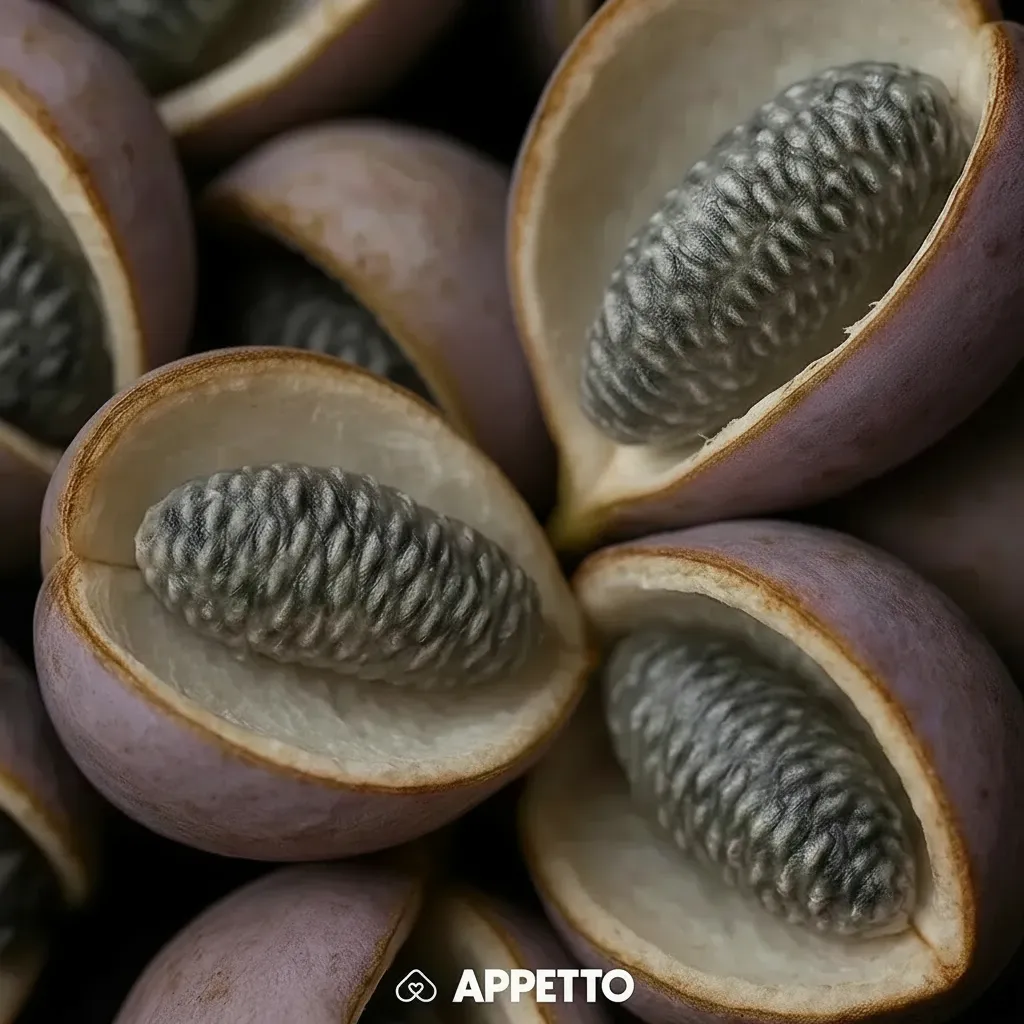
Akebia is best avoided for dogs as a precaution. Safety information is limited, and the seeds and fibrous pod may cause digestive irritation, choking, or an intestinal blockage.
Quick verdict
- For dogs: do not offer intentionally.
- Key point: keep the seeds and pod away from your dog.
Can dogs eat akebia?
Akebia is not recommended for dogs because reliable safety information is limited. Even if severe toxicity has not been clearly established, the fruit offers little benefit and may create digestive or mechanical risks.
Is akebia dangerous or toxic to dogs?
The main concerns are possible digestive irritation and the seeds and fibrous pod. These parts may cause choking or an intestinal blockage if swallowed.
Are there any benefits?
No meaningful nutritional benefit has been established for dogs. Human use of the fruit does not mean it is appropriate for pets.
- No proven canine benefit.
- No necessary role in a complete, balanced dog diet.
What are the risks?
The main issue is limited safety data combined with digestive and mechanical risks.
- Possible vomiting, diarrhea, or abdominal discomfort.
- Choking or intestinal blockage from seeds or pieces of pod.
- Avoid the seeds and pod completely.
How much akebia can a dog eat?
No amount is recommended. If a small amount of pulp was eaten accidentally, monitor your dog. Contact a veterinarian if seeds or pod were swallowed.
- Small dog: avoid completely.
- Medium dog: do not offer intentionally.
- Large dog: do not offer intentionally.
Can dogs eat raw, cooked, or processed akebia?
It is best to avoid raw, cooked, dried, and processed forms. Cooking does not remove the mechanical risks posed by seeds or fibrous pod material.
What to do after accidental ingestion
- Remove any remaining fruit and plant material.
- Determine whether your dog ate pulp, seeds, or pod.
- Monitor for symptoms and contact a veterinarian if the amount was significant or your dog is small.
When is extra caution needed?
- Puppies.
- Small dogs and dogs that swallow food without chewing.
- Senior dogs and dogs with digestive disorders.
- Dogs with a history of intestinal blockage or a prescribed veterinary diet.
My dog ate akebia: what should I do?
If your dog ate a tiny amount of pulp, monitor them closely. Contact a veterinarian if seeds, pod, or a large amount was swallowed. Do not attempt to induce vomiting unless a veterinarian instructs you to do so.
Warning signs to watch for
Watch for vomiting, diarrhea, abdominal pain, lethargy, reduced appetite, retching, or failure to pass stool.
Safer alternatives
- A few plain blueberries.
- A small piece of seedless apple.
- A dog treat formulated for your pet.
How can APPETTO help?
When safety information is unclear, APPETTO helps you compare options, understand practical risks, and make more confident choices with the Pet-Score®. Download APPETTO.
FAQ
Is akebia toxic to dogs?
Toxicity is not clearly established, but limited safety data and mechanical risks justify avoiding it.
How much akebia can I give my dog?
No amount is recommended.
Can dogs eat raw akebia?
It is not recommended, particularly because of the seeds and pod.
Can dogs eat akebia seeds?
No. The seeds may cause choking or an intestinal blockage.
What should I watch for if my dog ate akebia?
Watch for vomiting, diarrhea, abdominal pain, lethargy, retching, or failure to pass stool.
Can puppies eat akebia?
No. It is best avoided in puppies.
In summary, akebia is not a fruit to offer dogs because the benefits are minimal and the safety concerns are real. To compare safer foods and products, Download APPETTO.
Credits and disclaimer
Credits: Content prepared by the APPETTO team using referenced sources and its internal food classification methodology.
Disclaimer: This information is general and does not replace veterinary advice.