


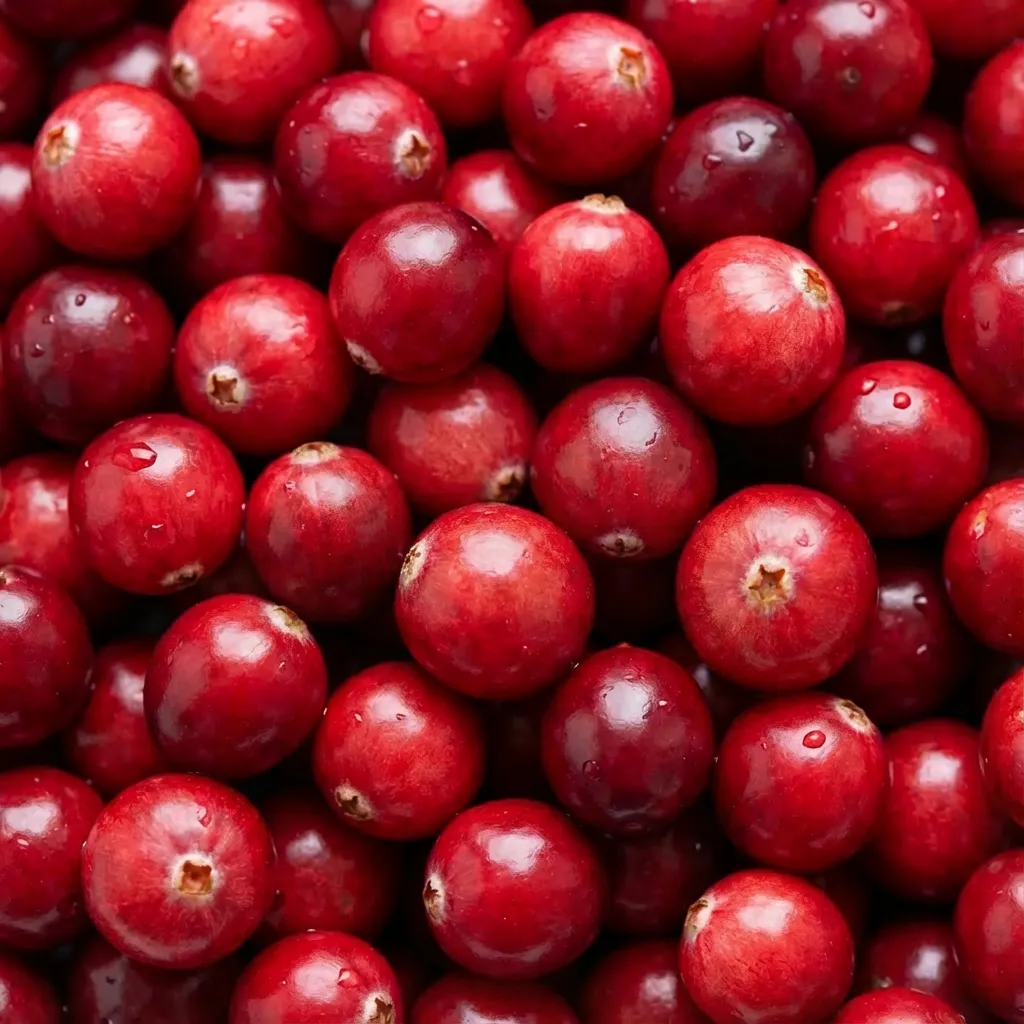
Dogs may eat a few plain cranberries occasionally. The berries contain antioxidants and proanthocyanidins, but their acidity may cause digestive upset if too much is eaten.
Quick verdict
- For dogs: acceptable in small amounts.
- Key point: choose fresh or unsweetened berries and avoid sweetened products.
Can dogs eat cranberries?
Plain cranberries are generally considered safe for dogs in small amounts. They may be offered as an occasional treat, but they should never replace veterinary treatment for urinary symptoms or infection.
Are cranberries dangerous or toxic to dogs?
Plain cranberries are not generally considered toxic in small portions. The main concerns are acidity, excessive intake, added sugar, and concentrated supplements. Extra caution is appropriate for dogs prone to calcium oxalate stones.
Are there any benefits?
Cranberries contain proanthocyanidins and antioxidants, but they are not a substitute for veterinary care.
- Proanthocyanidins may help limit the ability of certain bacteria to adhere to the urinary tract.
- Provides antioxidants and fiber with relatively little sugar when fresh.
What are the risks?
The main concerns are excessive intake and unsuitable processed products.
- Vomiting or diarrhea after a large serving.
- Added sugar in juice, sauces, jam, and dried products.
- Avoid concentrated supplements unless recommended by a veterinarian.
How many cranberries can a dog eat?
A few berries are enough. Ask your veterinarian before using an extract or supplement, especially if your dog has urinary disease or a history of stones.
- Small dog: 1 to 2 plain berries.
- Medium dog: a few plain berries.
- Large dog: a small handful at most, offered occasionally.
Can dogs eat raw, dried, or juiced cranberries?
Fresh, plain berries are the best option. Unsweetened dried cranberries may be offered in smaller amounts because they are more concentrated. Avoid juice, sauces, sweetened products, and concentrated supplements unless your veterinarian recommends them.
How to prepare cranberries for a dog
- Choose plain berries with no added sugar.
- Start with a small amount because of their acidity.
- Do not use cranberries as a treatment for urinary symptoms.
When should cranberries be avoided?
- Puppies.
- Dogs with sensitive stomachs.
- Dogs prone to calcium oxalate stones.
- Dogs with diabetes, excess weight, or a prescribed veterinary diet.
My dog ate cranberries: what should I do?
If your dog ate a few plain berries, monitor their digestion. Contact a veterinarian if your dog drank sweetened juice, ate a large amount, swallowed supplements, or develops vomiting, diarrhea, or urinary symptoms.
Warning signs to watch for
Watch for vomiting, diarrhea, abdominal discomfort, reduced appetite, frequent urination, straining, or blood in the urine. Seek veterinary care promptly for urinary symptoms.
Safer alternatives
- Fresh water available at all times.
- A suitable wet food if recommended by your veterinarian.
- Veterinary assessment for urinary symptoms.
How can APPETTO help?
APPETTO helps you understand functional ingredients, compare dog food products, and make more informed choices with the Pet-Score®. Download APPETTO.
FAQ
Are cranberries toxic to dogs?
No. Plain berries are not generally considered toxic in small amounts, but sweetened products and excessive portions should be avoided.
How many cranberries can I give my dog?
A few plain berries are enough, depending on your dog’s size.
Can dogs eat raw cranberries?
Yes, in small amounts, provided they are plain and well tolerated.
Can dogs drink cranberry juice?
It is best avoided, especially when sweetened or concentrated.
What should I watch for if my dog ate too many cranberries?
Watch for vomiting, diarrhea, abdominal discomfort, or urinary symptoms.
Can puppies eat cranberries?
It is best to avoid them unless your veterinarian advises otherwise.
Cranberries may be offered to dogs in small amounts, but they are not a substitute for veterinary treatment of urinary problems. To compare foods and products more confidently, Download APPETTO.
Credits and disclaimer
Credits: Content prepared by the APPETTO team using referenced sources and its internal food classification methodology.
Disclaimer: This information is general and does not replace veterinary advice.