


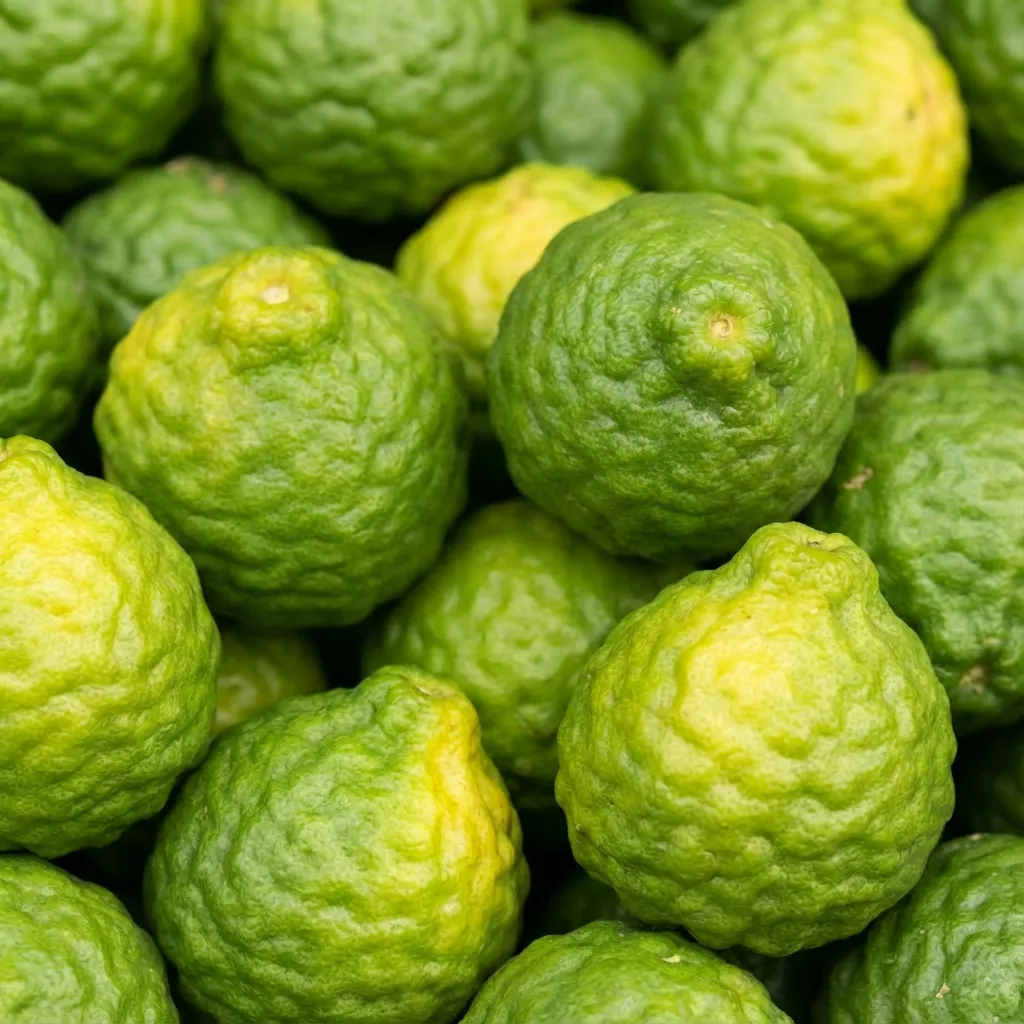
Bergamot should be kept away from dogs. This citrus fruit contains essential oils and psoralens that may cause digestive upset, weakness, and photosensitive skin reactions. The peel, essential oil, and highly acidic pulp should be avoided.
Quick verdict
- For dogs: avoid completely.
- Key point: keep the peel, essential oil, concentrated products, and acidic pulp out of reach.
Is bergamot safe for dogs?
No. Bergamot should not be given to dogs. Although some citrus fruits may be mentioned as acceptable in tiny amounts, bergamot contains too many irritating and photosensitizing compounds to be considered a safe treat.
Why is bergamot dangerous for dogs?
Bergamot essential oil may contain compounds such as limonene and linalool, which can irritate the body. Psoralens may make the skin unusually sensitive to sunlight, while the fruit’s acidity may irritate the stomach.
Are there any benefits?
No potential benefit justifies giving bergamot to dogs. Citrus aromas belong in human foods and fragrances, not in a dog’s bowl.
- No established nutritional benefit.
- No form is recommended for dogs.
What risks should you know about?
The peel and essential oil are especially concerning because they contain concentrated plant compounds.
- Excessive drooling, vomiting, diarrhea, or weakness.
- Photosensitive dermatitis after sun exposure.
- Forms to avoid: peel, essential oil, acidic pulp, leaves, and concentrated products.
How much bergamot can a dog eat?
None. Bergamot should never be intentionally given to a dog.
- Small dog: avoid completely because the risk may be greater.
- Medium dog: do not give.
- Large dog: do not give.
Can dogs eat bergamot pulp, peel, or essential oil?
No. The pulp, peel, essential oil, candy, flavored teas, pastries, and cosmetics containing bergamot should be kept out of reach. Essential oil is especially dangerous.
What should you do after exposure?
- Remove the fruit or fragranced product immediately.
- Determine whether your dog ate the pulp, peel, or essential oil.
- Contact a veterinarian, especially after essential oil exposure or if symptoms appear.
When is the risk higher?
- Puppies.
- Dogs with light or sensitive skin.
- Dogs with liver, digestive, or respiratory disease, or dogs in fragile health.
- Dogs receiving medication or eating a veterinary diet.
My dog ate bergamot: what should I do?
If your dog only licked a trace of pulp, monitor them closely. If your dog swallowed peel, essential oil, or a concentrated product, contact a veterinarian immediately. Do not give human medication without instructions.
What signs should you watch for?
Watch for excessive drooling, vomiting, diarrhea, weakness, tremors, skin redness, sunburn-like lesions, or unusual behavior.
What are safer alternatives?
- A small piece of seedless apple.
- A few plain blueberries.
- A dog treat formulated for their needs.
How can APPETTO help?
APPETTO helps you identify foods and ingredients to avoid, compare dog products, and better understand food-related risks with Pet-Score®. Download APPETTO.
FAQ
Is bergamot toxic to dogs?
Yes. Bergamot contains essential oils and psoralens that may be harmful to dogs.
How much bergamot is dangerous for a dog?
No safe amount is recommended, especially for the peel and essential oil.
Can dogs eat bergamot peel?
No. The peel should be avoided.
Can dogs be exposed to bergamot essential oil?
No. The essential oil is concentrated and potentially dangerous.
What symptoms should I watch for after exposure?
Watch for excessive drooling, vomiting, diarrhea, weakness, or skin lesions after sun exposure.
Can puppies eat bergamot?
No. Bergamot should be kept away from puppies.
Bergamot should be kept away from dogs, especially in the form of peel or essential oil. To identify risky ingredients and compare suitable products, Download APPETTO.
Credits and disclaimer
Credits: Content developed by the APPETTO team using referenced sources and its internal food classification methodology.
Disclaimer: This information is general and does not replace veterinary advice.