


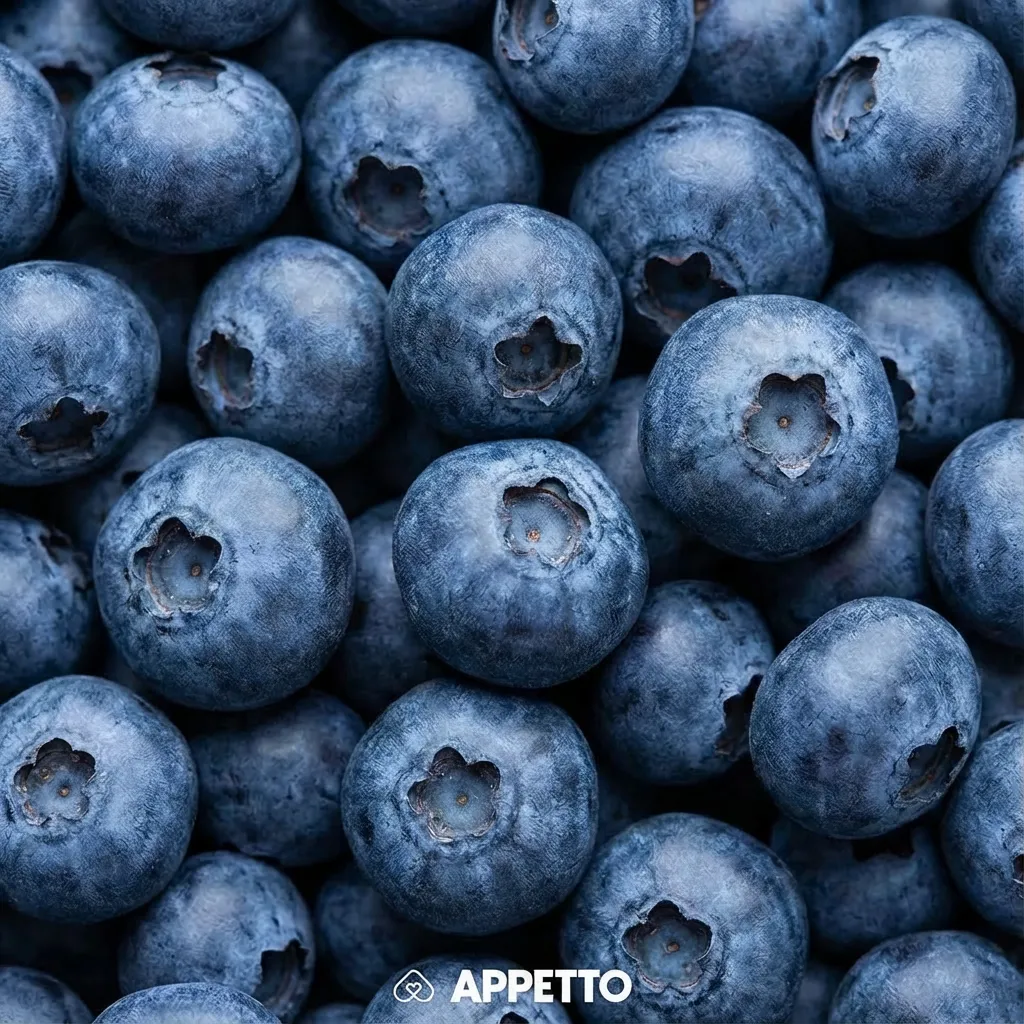
Dogs may eat blueberries. These small berries are generally well tolerated, low in calories, and rich in antioxidants. As with any treat, moderation matters because too many may cause loose stool or diarrhea.
Quick verdict
- For dogs: allowed in small amounts.
- Key point: a few ripe, washed, plain berries are enough.
Are blueberries safe for dogs?
Yes. Blueberries may be offered as a simple, nutritious treat, provided the portion remains small and is counted as part of the dog’s daily treats.
Are blueberries dangerous or toxic to dogs?
No. Ripe blueberries are not toxic to dogs. The main concerns are excess fiber and sugar. Whole frozen berries may also pose a small choking risk for very small dogs.
What are the possible benefits?
Blueberries have a strong nutritional profile and can be a useful occasional treat.
- Antioxidants, especially anthocyanins.
- Fiber and a relatively low calorie content.
What risks should you know about?
Even a safe food may cause problems when the portion is too large.
- Loose stool or diarrhea may occur after excessive consumption.
- Allergic reactions are rare but may cause itching.
- Remove hard stems and other plant debris.
How many blueberries can a dog eat?
The amount depends on the dog’s size. Treats should remain a small part of the overall daily diet.
- Small dog: one to three berries.
- Medium dog: four to eight berries.
- Large dog: a small handful.
Can dogs eat blueberries raw, cooked, or frozen?
Raw, ripe, washed blueberries are an excellent option in small amounts. Frozen berries should be slightly thawed for small dogs. Blueberry jam, pies, muffins, juice, and sweetened products should be avoided.
How should they be prepared?
- Wash the berries thoroughly.
- Remove any tough stems.
- Serve them plain, without sugar, dairy, or baked goods.
When should blueberries be avoided?
- Puppies, except in very small portions.
- Dogs with diabetes or excess weight, with calories carefully counted.
- Dogs with diarrhea or sensitive digestion.
- Dogs receiving medication or eating a veterinary diet.
My dog ate blueberries: what should I do?
If your dog ate a few berries, monitor them. If your dog ate a large amount, watch their stool and contact a veterinarian if diarrhea, vomiting, or lethargy develops.
What signs should you watch for?
Watch for diarrhea, loose stool, vomiting, bloating, or unusual itching. Contact a veterinarian if symptoms persist.
What are safer alternatives?
- A few pieces of seedless apple.
- A small piece of cooked carrot.
- A low-calorie dog treat.
How can APPETTO help?
APPETTO helps you understand everyday treats, compare dog products, and keep a clearer view of what goes into your dog’s bowl with Pet-Score®. Download APPETTO.
FAQ
Are blueberries toxic to dogs?
No. Ripe blueberries are not toxic in small amounts.
How many blueberries can I give my dog?
A few berries are enough, depending on the dog’s size.
Can dogs eat raw blueberries?
Yes, if they are ripe, washed, and served plain.
Can dogs eat frozen blueberries?
Yes, but slightly thawing or crushing them is safer for very small dogs.
What symptoms should I watch for if my dog ate too many?
Watch for loose stool, diarrhea, bloating, or vomiting.
Can puppies eat blueberries?
Yes, in very small amounts, although they are not essential.
Blueberries can be a suitable treat for dogs when they are washed, plain, and served in small amounts. To compare foods and products suited to your dog, Download APPETTO.
Credits and disclaimer
Credits: Content developed by the APPETTO team using referenced sources and its internal food classification methodology.
Disclaimer: This information is general and does not replace veterinary advice.