


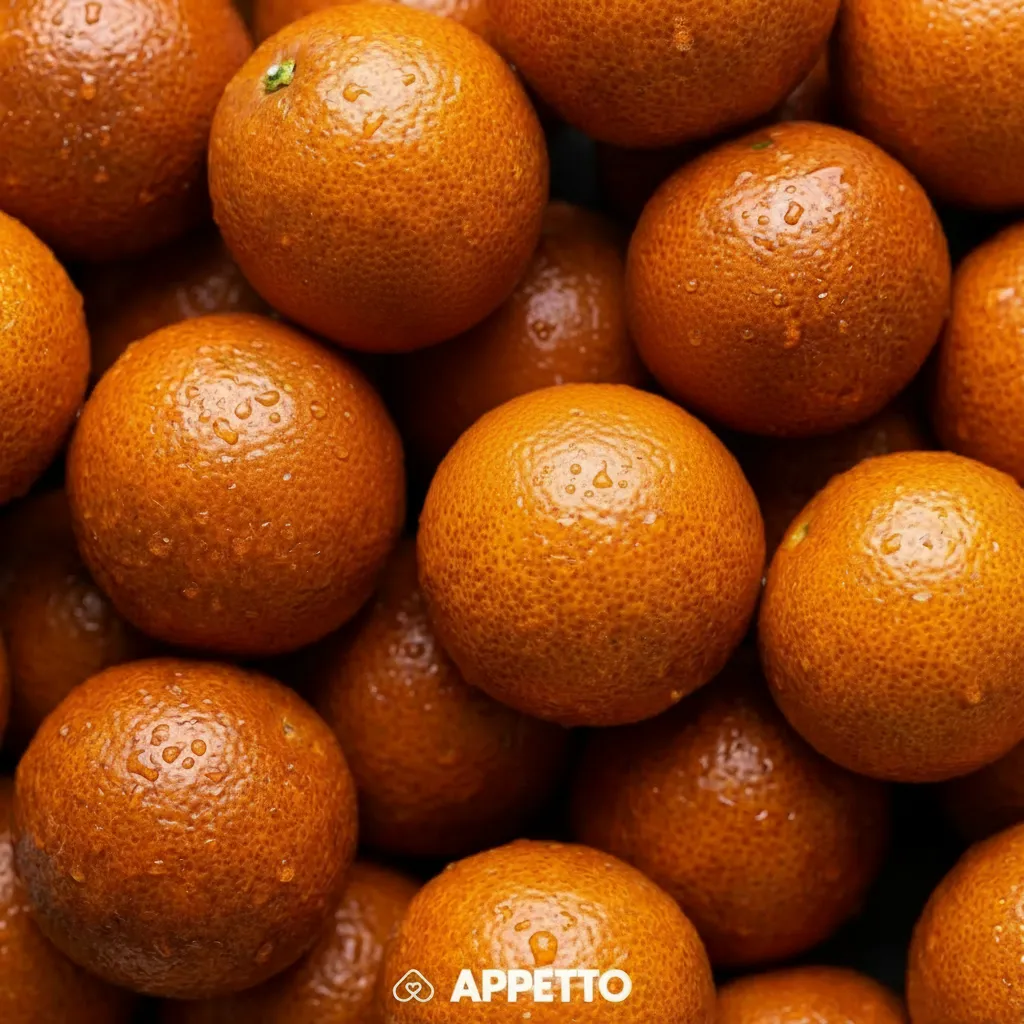
Chinotto is not recommended for dogs. This bitter citrus fruit is highly acidic, and its peel, seeds, leaves, and branches contain irritating compounds. The inner flesh is less concerning but offers almost no nutritional value.
Quick verdict
- For dogs: avoid.
- Key point: keep the peel, zest, seeds, leaves, and branches out of reach.
Chinotto is not a suitable dog treat
Although citrus pulp is generally less concerning than the peel, chinotto remains too acidic and irritating to recommend.
Why chinotto may cause problems
Chinotto contains psoralens and terpenes such as limonene and linalool. Significant exposure may cause vomiting, diarrhea, lethargy, or tremors. The peel and seeds also create mechanical risks.
No meaningful benefit
Chinotto has no useful role in a dog’s diet.
- No significant nutritional value.
- Minimal hydration that does not justify the risk.
Main risks to know
Chinotto is bitter, acidic, and concentrated in citrus compounds that may irritate dogs.
- Vomiting, diarrhea, or lethargy.
- Possible tremors after significant ingestion.
- Parts to avoid: peel, zest, seeds, leaves, and branches.
No amount is recommended
Do not intentionally offer chinotto to a dog. If your dog only licks a trace of pulp, monitor them.
- Small dog: avoid completely.
- Medium dog: do not offer intentionally.
- Large dog: avoid, particularly the peel and seeds.
Raw, candied, and drinkable forms
Raw chinotto, candied chinotto, soda, syrup, marmalade, zest, and bitter preparations should be avoided. Chinotto drinks may also contain sugar, flavorings, and additives.
What to do after ingestion
- Remove the fruit, drink, or preparation.
- Check whether your dog swallowed pulp, zest, seeds, or leaves.
- Contact a veterinarian if the amount was significant or symptoms appear.
When chinotto should be avoided completely
- Puppies.
- Small dogs.
- Dogs with liver disease, digestive problems, or citrus sensitivity.
- Dogs receiving medication or eating a veterinary diet.
My dog ate chinotto
If your dog only licked a trace of pulp, monitor them. If they ate peel, seeds, leaves, or a large amount, seek veterinary advice, especially if vomiting or tremors occur.
Warning signs to watch for
Watch for vomiting, diarrhea, lethargy, excessive drooling, tremors, abdominal pain, or unusual behavior.
Safer alternatives
- A small piece of seedless apple.
- A few plain blueberries.
- A dog treat formulated for their needs.
How APPETTO can help
APPETTO helps you identify ingredients to limit or avoid, compare dog products, and make clearer choices with Pet-Score®. Download APPETTO.
FAQ
Is chinotto toxic to dogs?
It is not recommended, particularly because of the peel, seeds, psoralens, and essential oils.
How much chinotto can I give my dog?
No amount is recommended.
Can dogs eat chinotto peel?
No. The peel should be avoided.
Can dogs drink chinotto soda?
No. These drinks are sweetened, acidic, and unsuitable.
What symptoms should I watch for after ingestion?
Watch for vomiting, diarrhea, lethargy, excessive drooling, or tremors.
Can puppies eat chinotto?
No. It is best to avoid it for puppies.
Chinotto should be avoided for dogs because it is acidic, irritating, and nutritionally unnecessary. To compare foods and suitable products, download APPETTO.
Credits and disclaimer
Credits: Content developed by the APPETTO team using referenced sources and its internal food classification methodology.
Disclaimer: This information is general and does not replace veterinary advice.