


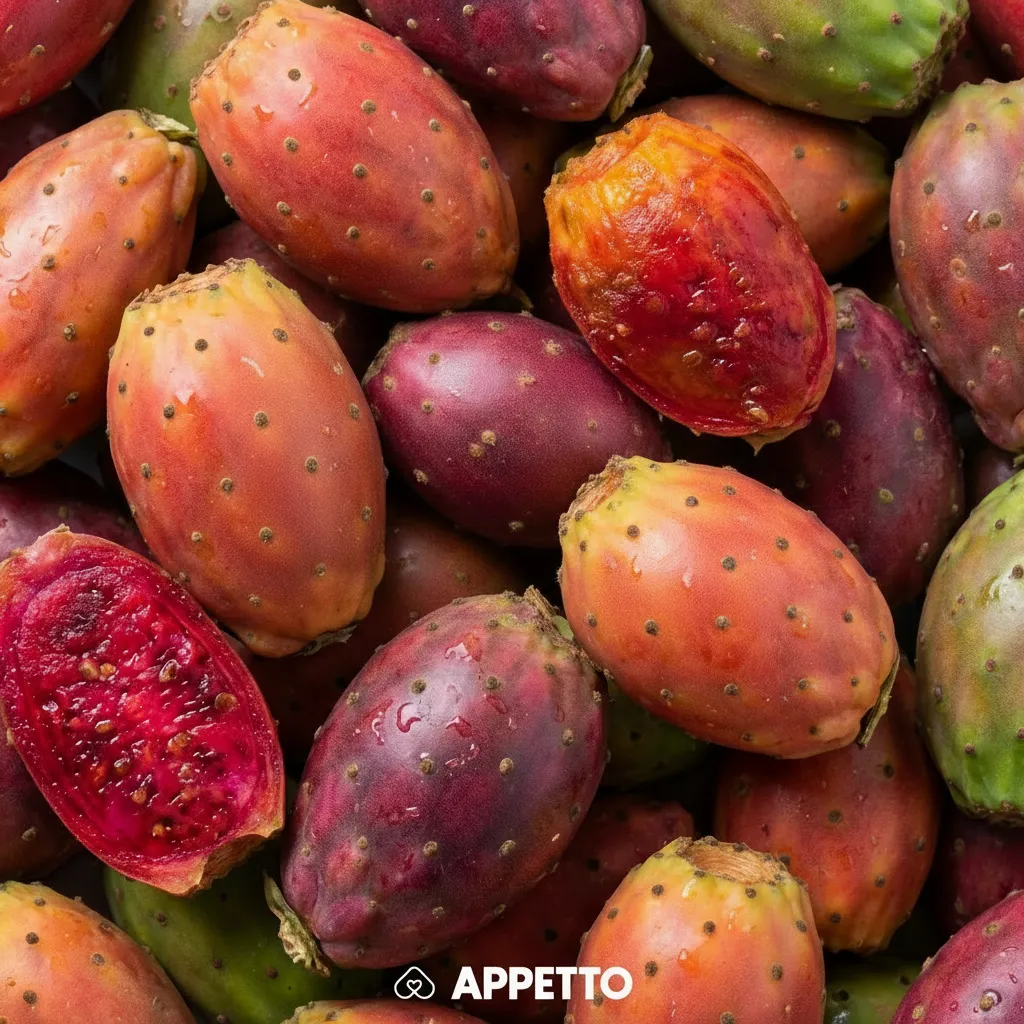
Dogs may eat a small amount of smooth prickly pear pulp, but only after the skin, spines, glochids and seeds have been removed. The fruit contains water, fibre and antioxidants, yet its mechanical hazards make careful preparation essential.
Quick verdict
- For dogs: allowed in small quantities.
- Serve: smooth, plain, seedless pulp.
- Avoid: skin, spines, glochids and seeds.
Why prickly pear can be dangerous
Visible spines and microscopic glochids may become lodged in a dog’s lips, gums, tongue, throat or paws. Even fruit sold as “spineless” should be handled cautiously.
Is the pulp toxic?
Properly cleaned pulp is not generally considered toxic in small amounts. The main concerns are mouth injuries, digestive upset and constipation or obstruction caused by numerous hard seeds.
Potential benefits
- Water for hydration.
- Dietary fibre.
- Vitamin C, beta-carotene and antioxidant compounds.
These benefits remain modest and do not justify careless preparation.
Main risks
- Oral pain and irritation from spines or glochids.
- Vomiting or diarrhoea.
- Constipation or intestinal obstruction from many seeds.
- Excessive salivation or refusal to eat.
How much can a dog eat?
- Small dog: one tiny spoonful of smooth pulp.
- Medium dog: one small spoonful.
- Large dog: one small portion, offered occasionally.
Fresh, juiced or processed?
Only plain, freshly prepared pulp should be considered. Avoid juice, jam, syrup, sweets and desserts because they may contain excessive sugar.
How to prepare prickly pear safely
- Use gloves or utensils while handling the fruit.
- Remove the entire skin, all visible spines and every glochid.
- Filter or remove the seeds.
- Serve a small amount of smooth pulp.
When should it be avoided?
- In puppies.
- In very small dogs.
- In dogs prone to constipation, intestinal obstruction or colitis.
- In dogs receiving medication or following a prescription diet.
My dog ate prickly pear: what should I do?
If your dog ate a little smooth pulp, monitor them. Contact a veterinarian if skin, spines, glochids or many seeds were swallowed, particularly if there is mouth pain or difficulty passing stools.
Warning signs
Look for pawing at the mouth, excessive salivation, vomiting, diarrhoea, constipation, abdominal pain, reduced appetite or lethargy.
Safer alternatives
- A small piece of seedless watermelon.
- A few plain blueberries.
- A dog treat formulated for canine needs.
How APPETTO can help
APPETTO helps you understand foods that require strict preparation, compare dog products and make more informed choices using the Pet-Score®. Download APPETTO.
FAQ
Is prickly pear toxic to dogs?
The smooth pulp is not generally considered toxic in small amounts, but the spines, glochids and seeds are hazardous.
How much prickly pear can I give my dog?
Offer one tiny spoonful to one small portion depending on body size, and only occasionally.
Can dogs eat prickly pear skin?
No. The skin may retain sharp spines and microscopic glochids.
Can dogs eat the seeds?
It is safer to remove them, especially for small dogs or animals prone to constipation.
Can puppies eat prickly pear?
It is better to avoid it because of the mechanical and digestive risks.
Prickly pear may be offered as a small amount of smooth pulp only after every hazardous outer part and seed has been removed.
Credits and disclaimer
Credits: Content developed by the APPETTO team using referenced sources and its internal food-classification methodology.
Disclaimer: This information is general and does not replace veterinary advice.