


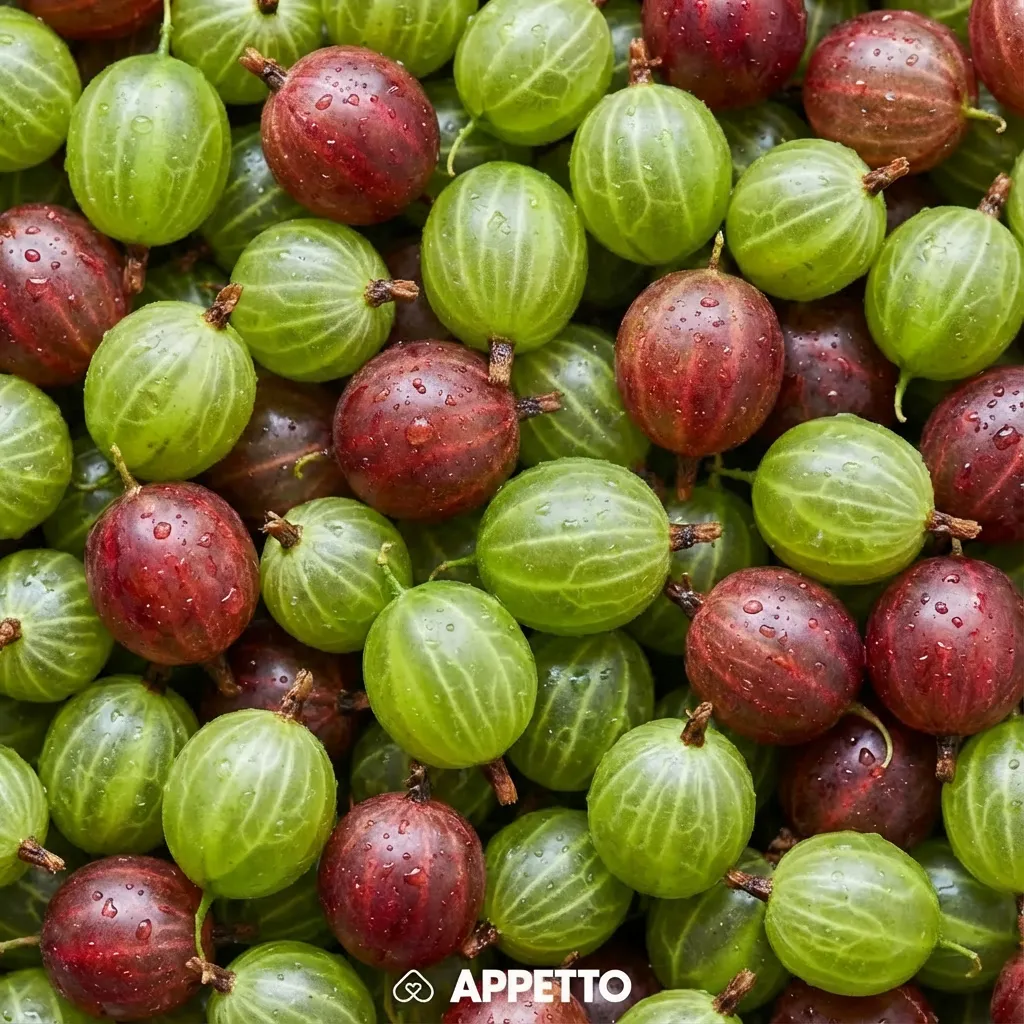
Reliable evidence about true gooseberries and dogs is limited. They are not the same as grapes or raisins, but some sources advise caution because the acidic fruit, skin and seeds may cause digestive upset. Intentional feeding is best avoided until clearer safety data is available.
Quick verdict
- For dogs: insufficient evidence; avoid intentionally.
- Main concerns: acidity, skin, seeds and gastrointestinal irritation.
- After accidental ingestion: monitor and seek veterinary advice if symptoms develop.
Are gooseberries toxic to dogs?
True gooseberries are not automatically equivalent to grapes, raisins or dried currants. However, available information is inconsistent, and no reliable safe serving has been established for dogs.
Possible risks
- Vomiting or diarrhoea.
- Abdominal pain or lethargy.
- Digestive irritation from acidic flesh and fibrous skin.
- Discomfort after eating many seeds or berries.
Do gooseberries offer any benefits?
The fruit contains vitamins and antioxidants, but these do not justify experimenting with a poorly documented food.
- No established canine benefit.
- No reliable serving recommendation.
How much can a dog eat?
No routine serving is recommended. Avoid offering gooseberries intentionally.
- Small dog: avoid.
- Medium dog: avoid.
- Large dog: avoid until clearer evidence is available.
Fresh fruit, jam or desserts?
Avoid fresh gooseberries, jam, jelly, pies, juice and sweetened products. Processed foods may also contain grape-derived currants, raisins or other unsafe ingredients.
What to do after ingestion
- Remove the remaining berries.
- Confirm whether the product contained true gooseberries, grapes, raisins or dried currants.
- Estimate the amount eaten.
- Contact a veterinarian if the identity is uncertain, a large amount was consumed or symptoms appear.
Dogs requiring extra caution
- Puppies and small dogs.
- Senior or frail dogs.
- Dogs with kidney or digestive disease.
- Dogs receiving medication or following a prescription diet.
Warning signs
Watch for vomiting, diarrhoea, abdominal pain, lethargy, weakness, reduced appetite or changes in urination.
Safer alternatives
- A few plain blueberries.
- A small piece of seedless apple.
- A dog treat formulated for canine needs.
How APPETTO can help
APPETTO helps you distinguish between similarly named fruits, compare dog products and make safer choices using the Pet-Score®. Download APPETTO.
FAQ
Are gooseberries poisonous to dogs?
The evidence for true gooseberries is unclear. They should not be confused with grapes, raisins or dried currants, which are toxic to dogs.
How many gooseberries can I give my dog?
No serving is recommended.
What if my dog ate one gooseberry?
Monitor for digestive symptoms and confirm that the fruit was a true gooseberry rather than a grape or dried currant.
Do gooseberries cause kidney failure?
That risk is well established for grapes and raisins, not clearly for true gooseberries. Veterinary advice is appropriate when the fruit’s identity is uncertain.
Can puppies eat gooseberries?
No. It is safer to avoid them.
Because true gooseberries remain poorly documented and are easily confused with toxic grape products, intentional feeding is not recommended.
Credits and disclaimer
Credits: Content developed by the APPETTO team using referenced sources and its internal food-classification methodology.
Disclaimer: This information is general and does not replace veterinary advice.