


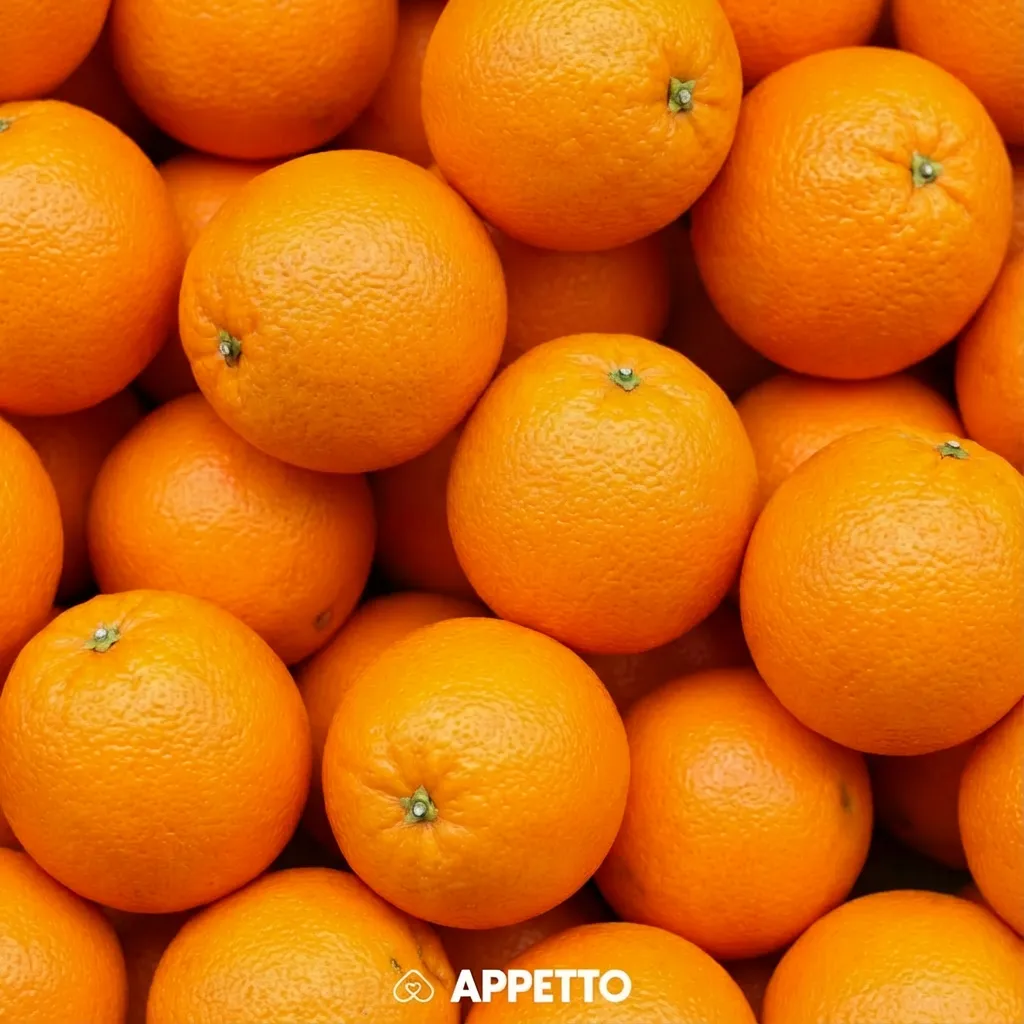
Orangine should not be offered to dogs until the exact fruit or plant species has been identified. The name is poorly documented and may refer to different citrus-like fruits with varying levels of acidity, seeds and aromatic oils.
Quick verdict
- For dogs: avoid as a precaution.
- Main concern: uncertain identity and limited safety information.
- Parts to avoid: peel, seeds, juice and concentrated products.
Why the name is a problem
Regional or commercial names may be used for several unrelated fruits. Without a botanical name, it is impossible to provide a reliable canine serving recommendation.
Is orangine dangerous?
Specific toxicity has not been established. However, a citrus-like fruit may cause digestive irritation because of acidity, peel oils or numerous seeds.
Does it offer any benefit?
No reliable benefit has been established. Better documented fruits are available.
Possible risks
- Vomiting or diarrhoea.
- Excessive salivation.
- Abdominal discomfort.
- Digestive irritation from peel or seeds.
How much can a dog eat?
No serving is recommended until the fruit has been identified reliably.
Raw fruit, juice or processed orangine?
Avoid whole fruit, juice, peel, seeds, jam, desserts and concentrated flavourings.
What to do after ingestion
- Remove the fruit and any packaging.
- Keep a sample or photograph for identification.
- Determine whether pulp, peel or seeds were swallowed.
- Contact a veterinarian if a large amount was eaten or symptoms develop.
Dogs requiring extra caution
- Puppies and elderly dogs.
- Dogs with sensitive stomachs.
- Diabetic dogs.
- Dogs prone to diarrhoea or following a prescription diet.
Warning signs
Watch for vomiting, diarrhoea, salivation, abdominal pain, lethargy or unusual behaviour.
Safer alternatives
- Seedless apple.
- Ripe seedless pear.
- Seedless watermelon.
How APPETTO can help
APPETTO helps you manage poorly documented foods by clarifying risks, comparing alternatives and using the Pet-Score® as a practical reference. Download APPETTO.
FAQ
Is orangine toxic to dogs?
The exact risk cannot be established without identifying the botanical species.
How much orangine can I give my dog?
No serving is recommended.
Can dogs eat the pulp?
It is best avoided because safety data is insufficient.
Can dogs drink orangine juice?
No. It is likely to be acidic, concentrated and unnecessary.
Can puppies eat orangine?
No. Avoid unidentified fruits in puppies.
There is not enough reliable information to offer orangine safely to dogs, so choosing a familiar, properly prepared fruit is the better option.
Credits and disclaimer
Credits: Content developed by the APPETTO team using referenced sources and its internal food-classification methodology.
Disclaimer: This information is general and does not replace veterinary advice.