


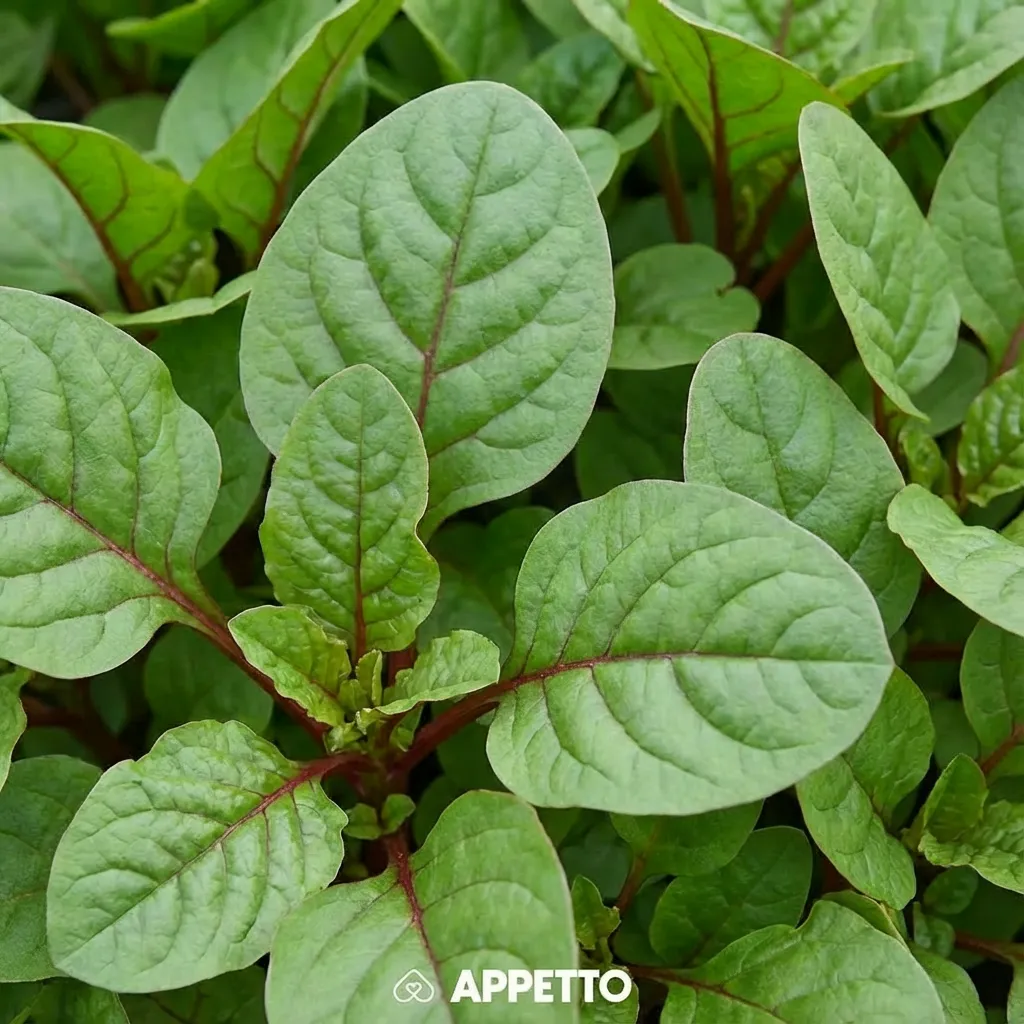
Yin tsoi, also known as Chinese spinach, yields divergent opinions when it comes to dogs. Some sources describe it as edible, while others report irritating sap, oxalates, nitrates, or renal risks. As a precaution, it is better to avoid it.
Quick verdict
- For dogs: divergent opinions.
- To remember: avoid as a precaution, especially raw leaves and stems rich in sap.
Yin tsoi and dogs: edible food or risky plant?
The main issue with yin tsoi comes from the lack of consensus. When data is contradictory, it is safer not to offer it voluntarily to a dog.
Is yin tsoi dangerous for dogs?
It can be for some dogs, primarily due to the presence of oxalates, nitrates, and saponins. Dogs with a history of urinary or renal issues must be particularly protected.
Possible benefits?
No benefit justifies the risk in this uncertain context.
- Contradictory data.
- Safer alternatives are available.
Risks to know
- Oxalates: risk of urinary crystals.
- Nitrates: caution is needed with leafy greens.
- Saponins: possible digestive irritation.
How much yin tsoi to give your dog?
No voluntary quantity is recommended.
- Small dog: avoid.
- Medium dog: avoid.
- Large dog: avoid.
Raw, cooked, or seasoned yin tsoi: what to remember?
Raw leaves and stems rich in irritating sap should be avoided. Even when cooked, the data remains too uncertain to recommend it.
How to avoid ingestion?
- Do not offer it voluntarily.
- Keep raw leaves and stems away.
- Monitor your dog if they have access to it in the garden or kitchen.
Which dogs are more at risk?
- Dogs with a urinary history.
- Dogs with renal failure.
- Puppies.
- Dogs with sensitive digestion.
- Dogs having eaten a large quantity.
My dog ate yin tsoi: what to do?
If the quantity is small, monitor your dog. In case of salivation, vomiting, diarrhea, lethargy, or if your dog has a renal risk, contact a veterinarian.
What signs should alert you?
Salivation, vomiting, diarrhea, lethargy, abdominal pain, or urinary signs should alert you.
Safer alternatives?
- Cooked zucchini.
- Endive.
- Cooked green beans.
How can APPETTO help you?
APPETTO helps you manage foods with uncertain data, compare dog products using the Pet-Score®, and make safer choices. Download APPETTO.
FAQ
Is yin tsoi toxic to my dog?
The data is contradictory, so it is better to avoid it.
How much yin tsoi to give my dog?
No voluntary quantity is recommended.
Can my dog eat raw yin tsoi?
No, raw leaves and stems should be avoided.
Is cooked yin tsoi safer?
The data remains uncertain, so avoidance is preferable.
What signs to watch for after ingestion?
Salivation, vomiting, diarrhea, and lethargy.
Can a dog with a urinary history eat yin tsoi?
No, caution must be maximal.
Yin tsoi for dogs remains too uncertain to be recommended. To compare suitable foods and products more safely, APPETTO helps you with the Pet-Score®. Download APPETTO.
Credits and warning
Credits: Content developed by the APPETTO team based on referenced sources and internal food classification methodology.
Warning: This information is general and does not replace veterinary advice.