


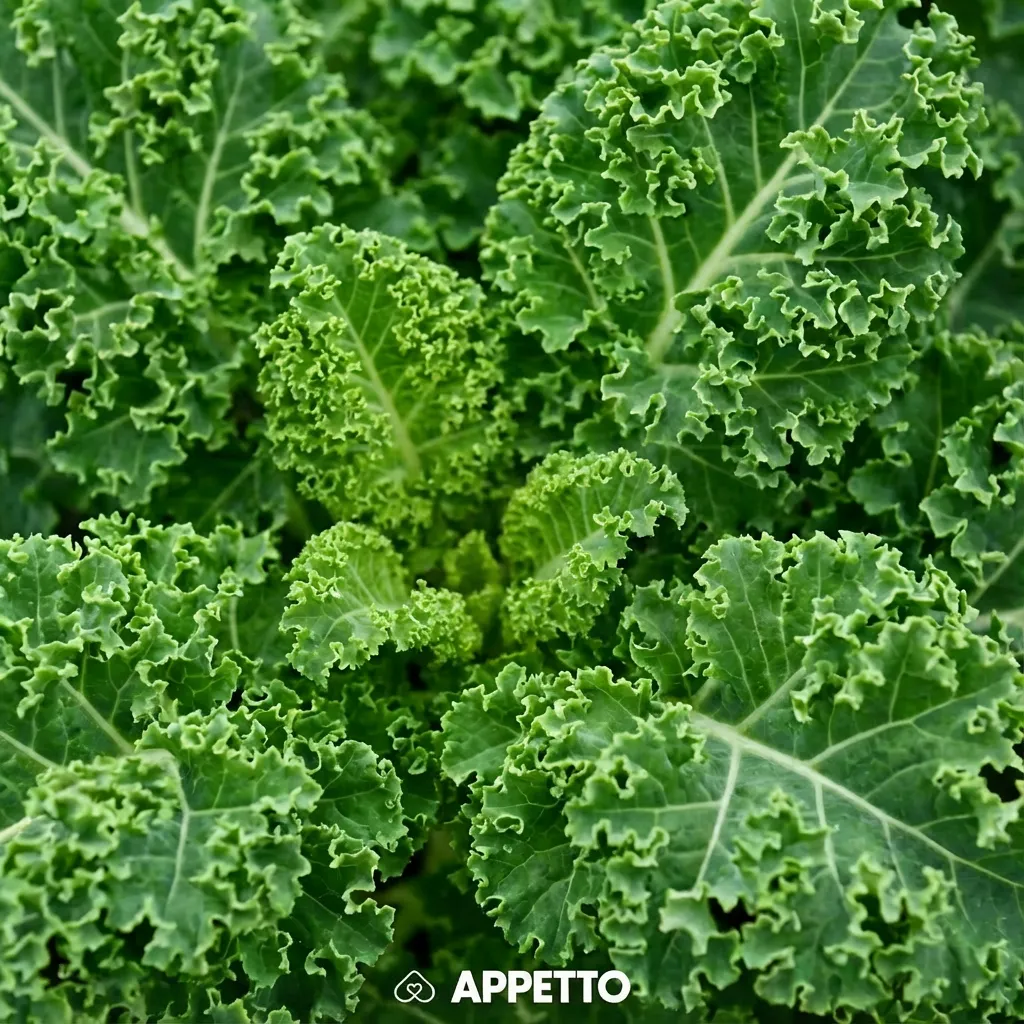
Kale should be avoided for your cat. Although it is a superfood for humans, it poses risks of anemia and kidney stones in felines. It simply has no place in their bowl.
Quick verdict
- For cats: strongly avoid.
- To remember: the risks to their kidneys and red blood cells far outweigh any minimal potential benefits.
Is kale toxic to cats?
Yes, it can be toxic if consumed long-term or in large amounts. Kale contains compounds that can damage a cat’s red blood cells, leading to Heinz body anemia. It also contains oxalates that promote the formation of kidney stones, which is a very common problem in cats.
What are the possible benefits?
- There are none that justify taking a risk. Your cat is a strict carnivore and does not need the vitamins provided by kale.
The risks to know
- Anemia: destruction of red blood cells (Heinz body anemia).
- Kidney stones: calcium oxalates are very dangerous for a cat’s sensitive urinary system.
- Digestive issues: such as gas and stomach aches.
How much kale to give your cat?
- Adult cat: zero.
- Sensitive cat: zero.
- Kitten: zero.
How to prepare it?
Do not prepare kale for your cat. It is best to save this vegetable for your own meals!
My cat ate kale: what to do?
If your cat stole a tiny piece that fell on the floor, simply monitor them. If they ate a good amount, contact your vet, especially if they seem weak, have pale gums, or experience trouble urinating in the following days.
Safer alternatives
- Cat grass (the real kind, designed for purging).
- Cooked zucchini (in micro-portions, if you really want to offer a vegetable).
- Meat-based treats.
How can APPETTO help you?
APPETTO helps you spot dangerous ingredients and choose the best food for your cat using the Pet-Score®. Download APPETTO.
FAQ
Is kale toxic to my cat?
Yes, it can cause anemia and kidney stones over time or in large amounts.
Can my cat eat cooked kale?
No, even when cooked, kale remains not recommended for cats.
What if my cat likes kale?
Do not give in! Offer them safe cat grass instead.