


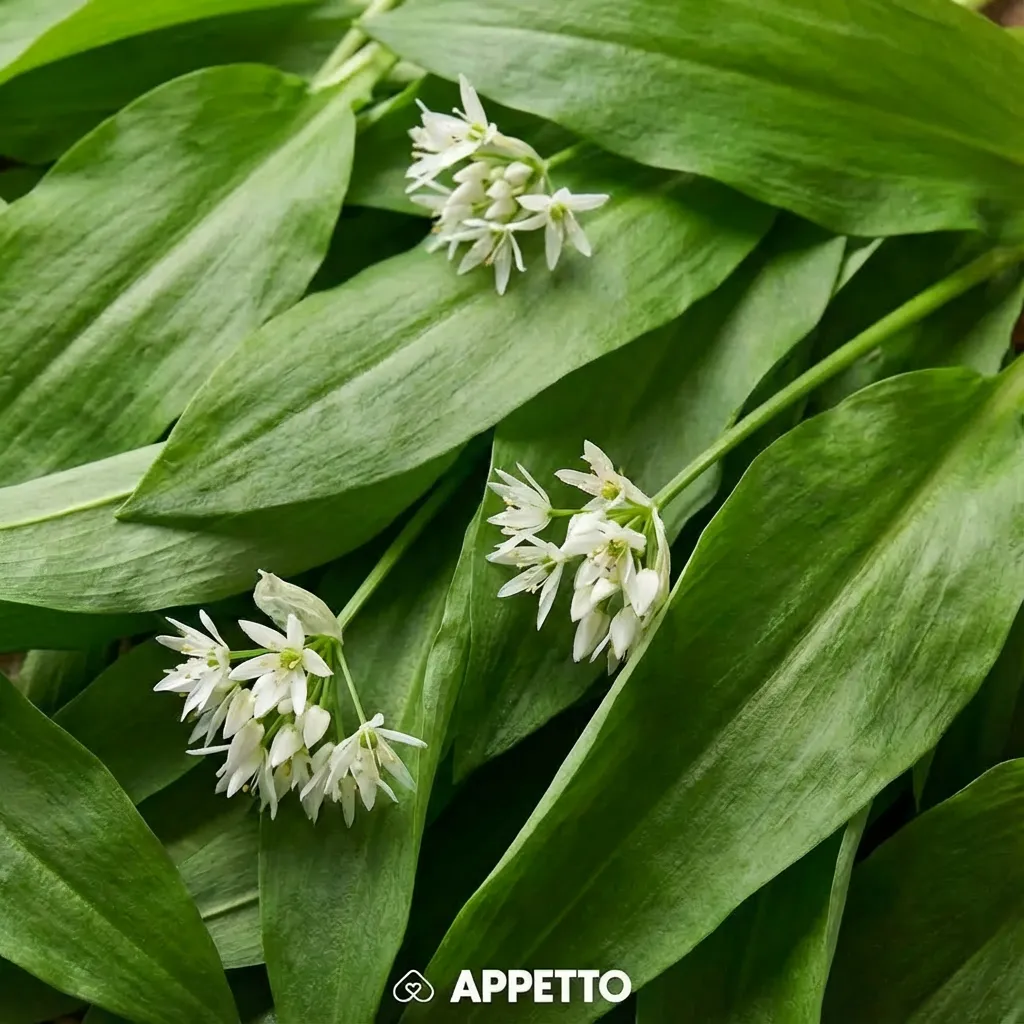
While walking in the woods or exploring the garden, your dog might come across wild garlic. Although it grows naturally and may seem milder than classic garlic, wild garlic is strictly forbidden for dogs. Like all plants in the Allium family, it presents serious toxic risks, notably hemolytic anemia. Here is everything you need to know about the dangers of wild garlic for your dog.
Can dogs eat wild garlic?
No, dogs should never eat wild garlic. Whether offered intentionally or accidentally ingested during a walk, this plant is completely forbidden. It contains sulfur compounds, similar to those found in cultivated garlic, which are capable of damaging red blood cells and causing severe anemia.
Why is wild garlic toxic to dogs?
Wild garlic contains thiosulfates that can cause oxidative hemolysis, which means the destruction of red blood cells. The initial signs of poisoning may be purely digestive, but as the condition progresses, symptoms like marked fatigue and pale mucous membranes can appear. There is no nutritional value or benefit that justifies exposing your dog to this toxic risk.
What parts of the plant are dangerous?
Every single part of the wild garlic plant is toxic and must be avoided entirely:
- Leaves: Highly toxic if chewed or swallowed, especially during woodland walks.
- Flowers: To be totally avoided.
- Bulbs: Present a severe risk, just like cultivated garlic cloves.
Are cooked or dried forms safer?
Absolutely not. Whether wild garlic is raw, cooked, dried, or mixed into human foods like pesto, soups, or sauces, it remains highly toxic. Cooking does not make the plant safe for canine consumption. Any leftovers containing wild garlic must be kept far away from your dog.
What signs of poisoning should alert you?
If your dog has ingested wild garlic, several clinical signs may develop. You should closely monitor for the following symptoms:
- Vomiting and diarrhea
- Unusual weakness or marked fatigue
- Tachycardia (rapid heart rate)
- Rapid breathing
- Pale gums
- Dark urine
My dog ate wild garlic: what should I do?
If you suspect or know that your dog has eaten wild garlic, contact a veterinarian quickly. Do not wait for symptoms to appear, especially if your dog ate leaves or bulbs, or if the ingested amount is unknown. Try to note the time of ingestion, estimate the amount eaten, and take a picture of the plant if possible.
Who is most at risk?
While wild garlic is forbidden for all dogs, certain groups are particularly vulnerable. Puppies, senior dogs, and those that are already sick, frail, or anemic face an even higher risk. Dogs currently on specific veterinary treatments or diets should also be carefully monitored.
What are safer alternatives?
Instead of risking toxicity, you can safely offer other dog-friendly options as occasional treats, provided they are prepared correctly:
- Plain cooked zucchini
- Cooked carrot cut into small pieces
- A suitable dog treat
How can APPETTO help you?
APPETTO helps you identify risky foods and plants, compare dog products using the Pet-Score®, and make more informed choices for the bowl. Download APPETTO.
FAQ
Is wild garlic toxic to my dog?
Yes. Wild garlic is an Allium, making it highly toxic to dogs.
How much wild garlic can I give my dog?
None at all. This plant is strictly forbidden for dogs in any quantity.
Can my dog eat cooked wild garlic?
No. Cooking does not remove the toxicity. Wild garlic remains dangerous in all its forms.
Are wild garlic leaves dangerous for dogs?
Yes. The leaves, flowers, and bulbs are all toxic and must be totally avoided.
What signs to watch for if my dog ate wild garlic?
Vomiting, diarrhea, weakness, tachycardia, and pale gums should alert you immediately.
Can a puppy eat wild garlic?
No. Wild garlic is completely forbidden for puppies as well as adult dogs.
To summarize, wild garlic is strictly forbidden for dogs, just like any other Allium. In the event of accidental ingestion, contacting a veterinarian remains the right reflex. To better identify dangerous foods and plants, APPETTO helps you with the Pet-Score®. Download APPETTO.
Credits and warning
Credits: Content developed by the APPETTO team based on referenced sources and internal food classification methodology.
Warning: This information is general and does not replace veterinary advice.