


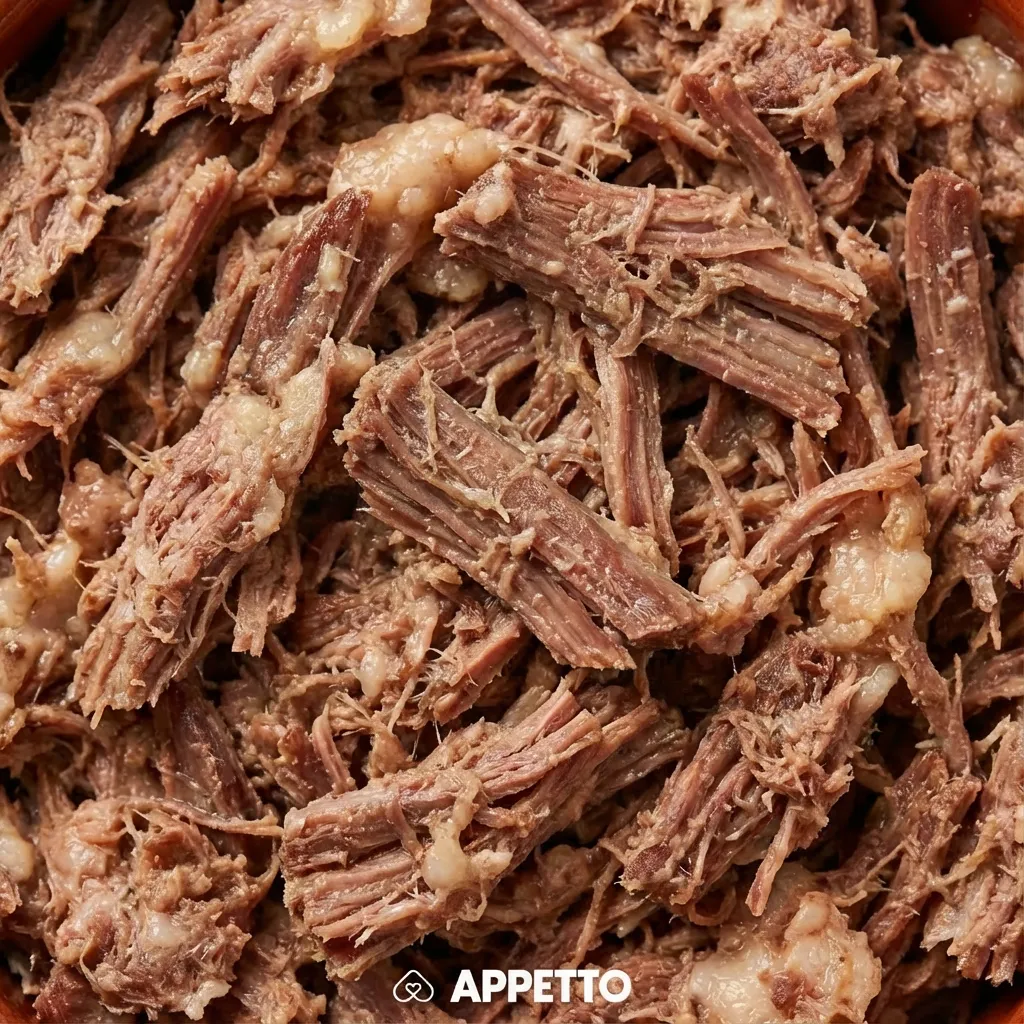
Beef rillettes should be avoided for dogs. Even though they smell like a treat to your pet, they are often too fatty, too salty, and sometimes encased in casing or skin that is hard to digest. An accidental lick isn’t necessarily a disaster, but intentionally feeding them to your dog is not a good idea.
Quick verdict
- For dogs: opinions vary, but best avoided to be safe.
- Key takeaway: too much salt, too much fat, and a risk of digestive or pancreatic issues.
Beef rillettes for dogs: allowed, to be limited, or forbidden?
Beef rillettes are not a suitable food for dogs. They are processed, fatty, salty, and can contain additives. Some sources suggest limiting them, but adopting a cautious approach, it is better to avoid them entirely.
Are beef rillettes dangerous or toxic for dogs?
The danger depends on the recipe and the quantity. Salt can cause intense thirst, dehydration, and in severe cases, neurological issues. High fat content can lead to vomiting, diarrhea, and pancreatitis in sensitive dogs.
What are the possible benefits?
There are no interesting nutritional benefits to be gained from feeding beef rillettes to your dog.
- High palatability, but that is not a sufficient reason.
- Contains meat, but in a highly processed and unbalanced product.
What are the risks to know?
Rillettes tick several unpleasant boxes for dogs.
- Excess salt, with a risk of dehydration.
- High fat content, which can irritate the digestive system and the pancreas.
- Additives or seasonings that vary depending on the recipe.
- Parts to avoid: skin, casing, visible fat, and any seasoned rillettes.
How much can I give my dog?
You should not intentionally feed them to your dog. If your dog has eaten a very small amount, monitor them. If the quantity is significant or if your dog is frail, contact a vet.
- Small dog: no recommended portion.
- Medium dog: no recommended portion.
- Large dog: no recommended portion.
Can my dog eat raw, cooked, or processed beef rillettes?
Rillettes are already a processed product. Whether cold, spread, or mixed into a dish, they remain too fatty and salty. Versions containing spices, garlic, onion, wine, or preservatives are even more problematic.
How to prepare them properly?
- Do not prepare beef rillettes for your dog.
- If you want to give them beef, choose a piece of plain cooked lean meat instead.
- Avoid any charcuterie or spreads meant for humans.
When should they be avoided?
- For puppies.
- For senior dogs.
- For dogs with heart or kidney issues, overweight dogs, or those prone to pancreatitis.
- For dogs with digestive issues or on a veterinary diet.
My dog ate beef rillettes: what should I do?
Assess the quantity, the ingredients, and the possible presence of casing or skin. Offer water, monitor your dog, and call a vet if the amount is large, if they are fragile, or if symptoms appear.
What signs should I watch out for?
Vomiting, diarrhea, excessive thirst, abdominal pain, restlessness, weakness, tremors, or lethargy should be a cause for concern.
What are safer alternatives?
- Plain cooked lean beef.
- Cooked chicken or turkey without skin.
- Dog treats that are low in salt and fat.
How can APPETTO help?
When it comes to processed foods, APPETTO helps you understand what is truly suitable for your dog and lets you compare products using the Pet-Score®. Download APPETTO.
FAQ
Are beef rillettes toxic to my dog?
They are not always toxic in the strict sense, but they are too fatty and salty to be given intentionally.
How much beef rillettes can I give my dog?
No amount is recommended. It is best to avoid them.
Can my dog eat beef rillettes on bread?
No, this just adds a fatty and salty product to a food with no particular nutritional value for them.
Is the skin or casing of rillettes dangerous?
Yes, it can pose a risk of obstruction or digestive irritation.
What signs should I monitor if my dog ate rillettes?
Watch out for vomiting, diarrhea, abdominal pain, intense thirst, or weakness.
Can a puppy eat beef rillettes?
No, it is way too fatty and salty for a puppy.
In conclusion, beef rillettes should be avoided for dogs, especially for animals with sensitive pancreases, hearts, or kidneys. To easily spot suitable products, let APPETTO guide you with the Pet-Score®. Download APPETTO.
Credits and disclaimer
Credits: Content created by the APPETTO team based on referenced sources and our internal food classification methodology.
Disclaimer: This information is general and does not replace veterinary advice.