


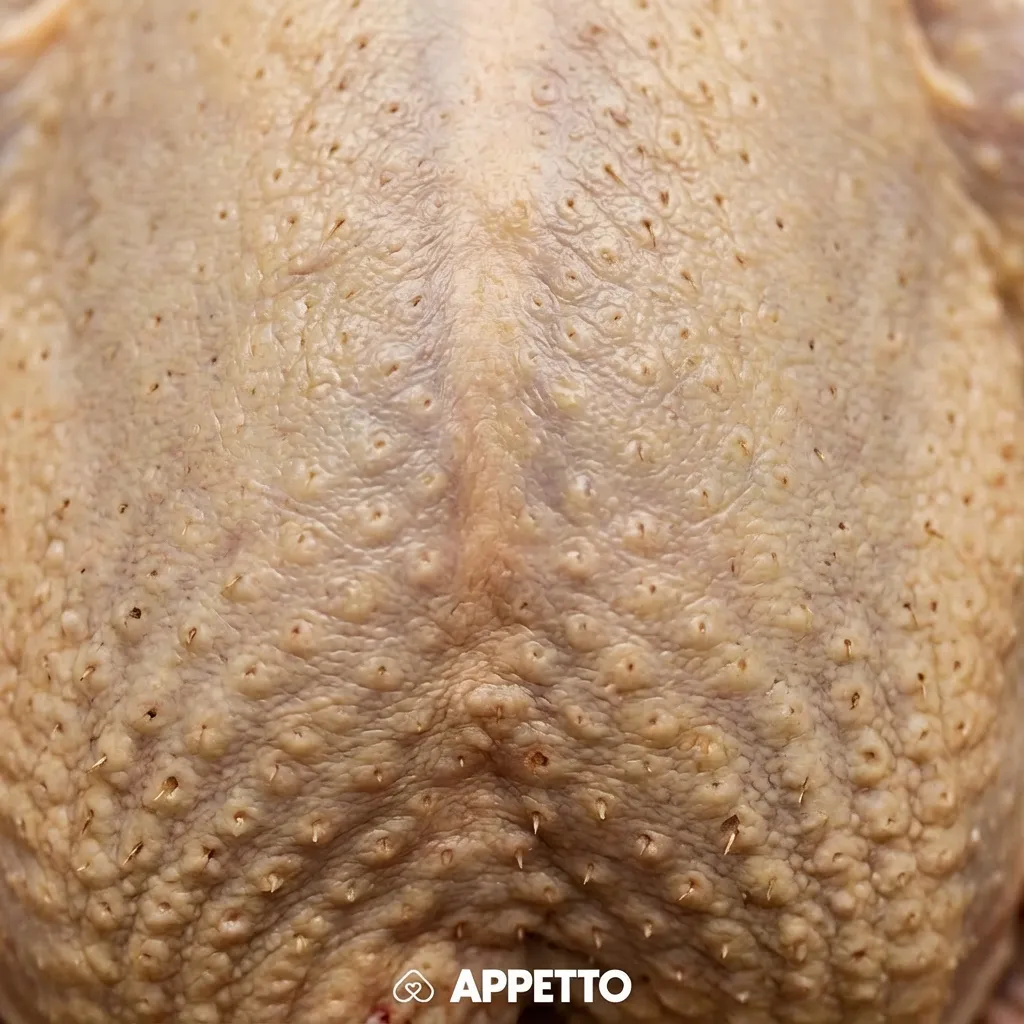
Why is Turkey Skin Bad for Dogs?
While the smell of roasted turkey might have your dog begging at the table, turkey skin is highly dangerous for dogs and should never be given to them.
High Fat Content and Pancreatitis
Turkey skin is incredibly high in fat. A dog’s digestive system is not designed to process such large amounts of rich, fatty foods. Consuming turkey skin can trigger a potentially life-threatening condition called pancreatitis, which is an inflammation of the pancreas. Symptoms include severe abdominal pain, vomiting, diarrhea, and lethargy.
Toxic Seasonings
We rarely cook turkey without seasoning it. The skin is usually covered in butter, oil, salt, garlic, and onions. Garlic and onions are highly toxic to dogs, destroying their red blood cells, while excessive salt can lead to sodium ion poisoning.
What to Do If Your Dog Ate Turkey Skin?
If your dog managed to sneak a small piece of unseasoned skin, they might only experience a mild upset stomach. However, if they ate a large amount or if the skin was heavily seasoned, contact your veterinarian immediately. Keep a close eye out for signs of pancreatitis or distress, such as vomiting, loss of appetite, or an arched back (a sign of abdominal pain).
Safe Alternatives
If you want to share a festive treat with your furry friend, offer them a small amount of plain, unseasoned, and boneless white turkey meat instead. It’s lean, packed with protein, and perfectly safe for dogs when prepared correctly.