


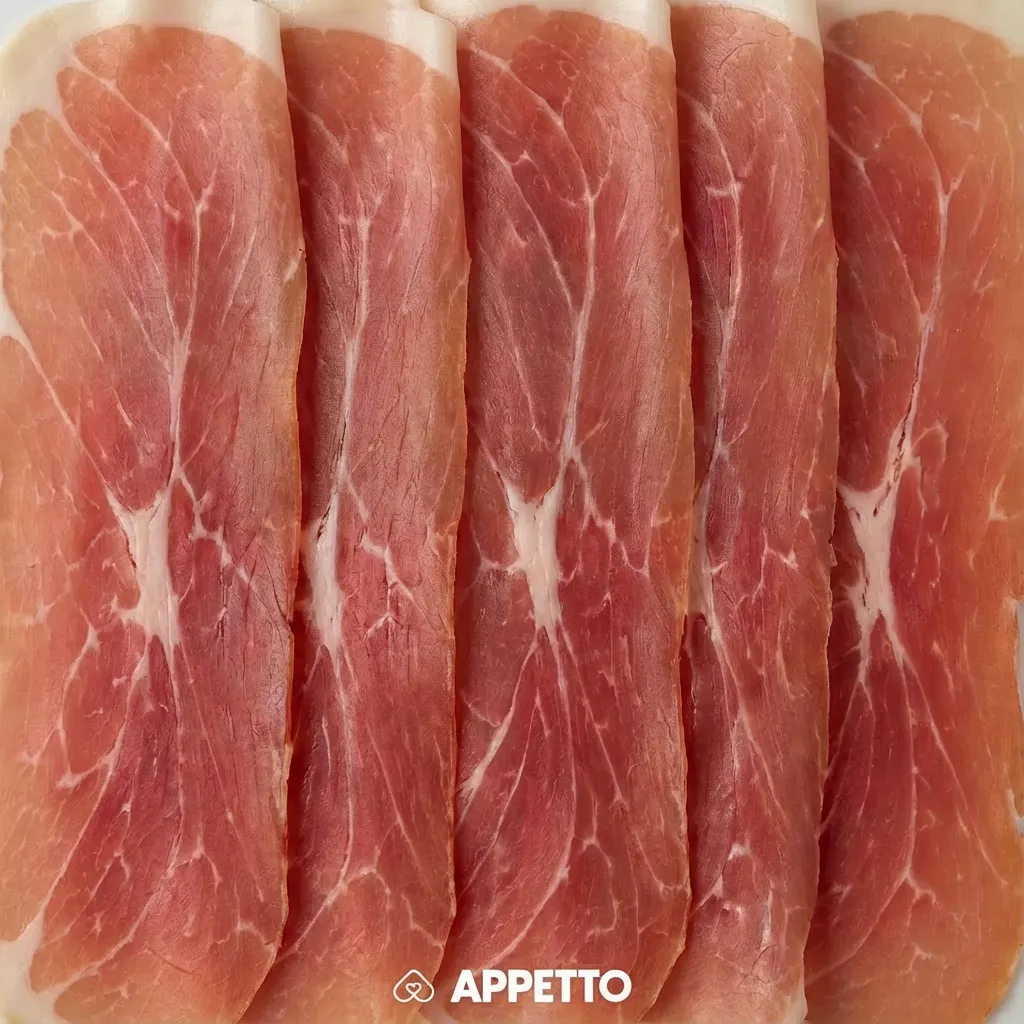
Raw pork ham is strictly forbidden for cats. It exposes them to serious infectious risks, notably Aujeszky’s disease, trichinellosis, and bacterial contamination.
Quick Verdict
- For cats: strictly forbidden.
- Key takeaway: no raw pork or raw ham for cats.
Raw ham and cats: why is it a no?
Cats are highly vulnerable to infectious agents found in raw pork products. The neurological and parasitic risks do not justify taking any chances.
Any potential benefits?
No relevant benefits.
- Raw product.
- Often very salty.
- Infectious risk is too high.
Risks to be aware of
- Aujeszky: severe neurological damage (pseudorabies).
- Trichinellosis: muscle pain and fever.
- Bacteria: vomiting or diarrhea.
How much can I give?
No intentional amount is acceptable.
Raw or cooked?
Raw ham and all raw pork meat must be excluded. Cooking is essential to reduce certain risks, but raw ham is inherently unsuitable.
How to prevent ingestion?
- Do not offer raw cold cuts.
- Keep raw ham well out of reach.
- Avoid giving table scraps.
At-risk cats
- Kittens.
- Senior cats.
- Immunocompromised cats.
- Cats with sensitive digestion.
My cat ate raw ham: what should I do?
Contact a vet immediately, especially if your cat shows signs of vomiting, fever, intense itching, tremors, or seizures.
How APPETTO can help you
APPETTO helps you identify dangerous meats and cold cuts, compare cat foods using the Pet-Score®, and make safer choices. Download APPETTO.
FAQ
Is raw ham toxic to cats?
It is forbidden due to severe infectious risks.
Why is raw pork dangerous?
It can transmit Aujeszky’s disease and harmful parasites.
What signs should I watch for?
Vomiting, seizures, fever, or severe itching.
Is a small amount a big deal?
Always seek advice from your veterinarian.
Can a kitten eat it?
No.
Is cooked ham different?
Yes, but its consumption must remain very limited.
Raw pork ham is forbidden for cats. To compare foods and avoid risks, APPETTO helps you out with the Pet-Score®. Download APPETTO.
Credits and Disclaimer
Credits: Content created by the APPETTO team based on referenced sources and our internal food classification methodology.
Disclaimer: This information is general and does not replace professional veterinary advice.