


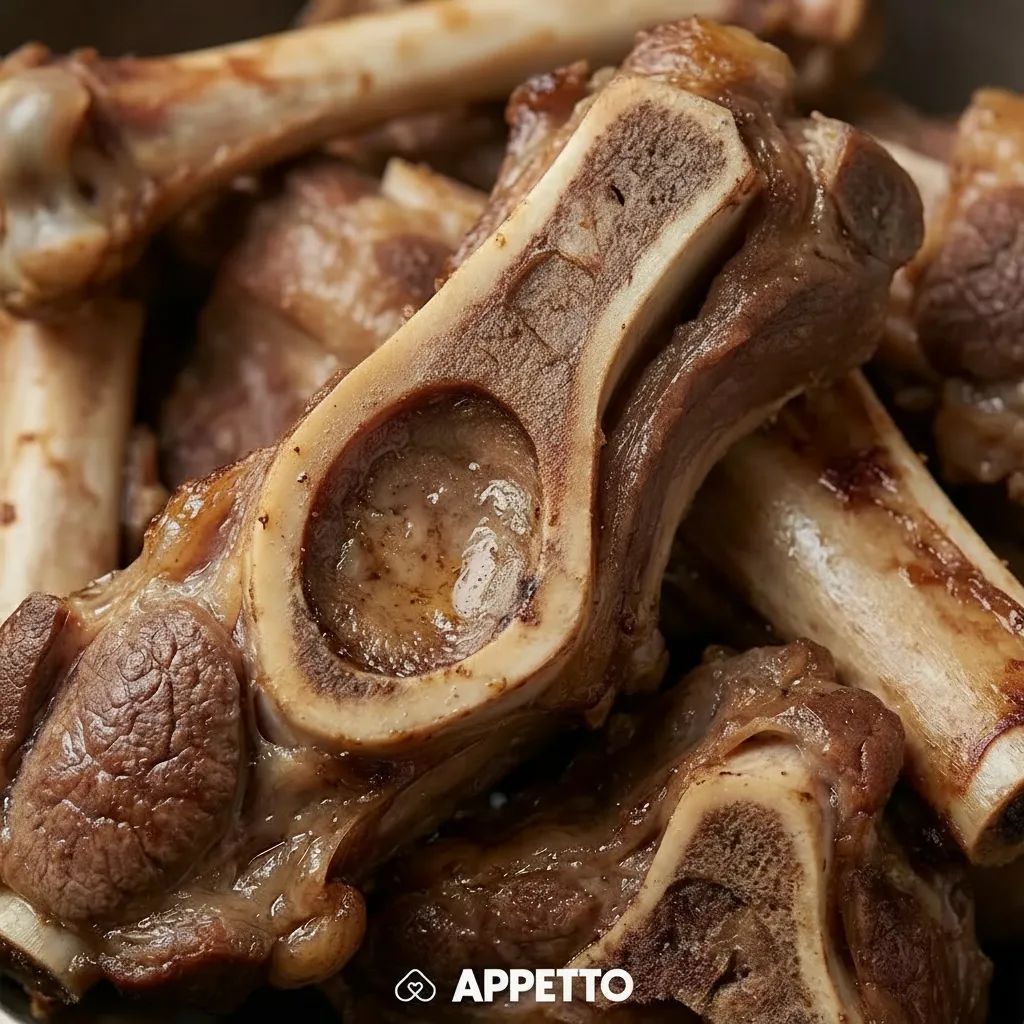
Lamb skin should be avoided for cats. It is fatty, poorly digestible, and can cause vomiting, diarrhea, constipation, choking, or blockages, especially if given in large shreds.
Quick verdict
- For cats: avoid.
- Key takeaway: no dried rawhide-type skin, no large shreds, no questionable raw products.
Lamb skin and cats: why rule it out?
Cats do not need lamb skin. Its dense texture and fat content can strain digestion, and pieces can get stuck or be swallowed improperly.
Is lamb skin dangerous for cats?
Yes, it can be hazardous both mechanically and digestively. Raw skin carries bacterial risks, while dried skin is often too hard or bulky for a cat to handle.
What are the possible benefits?
There are no significant benefits for cats.
- No useful nutritional value.
- Risks outweigh the benefits.
Risks to know
- Fats: digestive issues and weight gain.
- Shreds: esophageal or intestinal blockages.
- Raw product: potential bacteria.
How much lamb skin can you give your cat?
Intentionally feeding any amount is not recommended.
- Adult cats: avoid.
- Obese cats: avoid absolutely.
- Greedy cats: avoid absolutely.
Raw, cooked, or dried skin: what to remember?
All forms should be avoided. Cooking does not remove the mechanical risks, and dried skin can be even harder to chew.
How to prevent ingestion?
- Remove the skin from leftover meat.
- Do not give dog chews to a cat.
- Keep an eye out for fatty or fibrous pieces.
Which cats are more at risk?
- Obese cats.
- Greedy eaters.
- Cats with chronic digestive issues.
- Kittens.
- Senior cats.
My cat ate lamb skin: what should I do?
Monitor for vomiting, diarrhea, constipation, abdominal pain, and appetite loss. If a large piece was swallowed, contact a vet.
What warning signs should you watch for?
Watch out for vomiting, diarrhea, constipation, abdominal pain, lethargy, fever, or a refusal to eat.
What are safer alternatives?
- Appropriate feline treats.
- Complete wet food.
- Chew toys designed for cats.
How APPETTO can help you
APPETTO helps you identify treats that are too fatty or mechanically risky, compare cat products using the Pet-Score®, and make choices with peace of mind. Download APPETTO.
FAQ
Is lamb skin toxic to my cat?
It isn’t inherently toxic, but it is too fatty, hard, and poorly digestible.
Can my cat eat dried skin?
No, it can get stuck or cause a blockage.
Can my cat eat a small piece of cooked skin?
It is best avoided, especially since it is fatty.
What signs should I monitor after ingestion?
Vomiting, diarrhea, constipation, or abdominal pain.
Can an obese cat eat lamb skin?
No, it must be avoided.
What if my cat swallows a large shred?
Contact a veterinarian.
Lamb skin should be avoided for cats: it is too fatty, too hard, and holds little value. To compare more suitable feline products, APPETTO helps you out with the Pet-Score®. Download APPETTO.
Credits and disclaimer
Credits: Content created by the APPETTO team based on referenced sources and our internal food scoring methodology.
Disclaimer: This information is general and does not replace veterinary advice.