


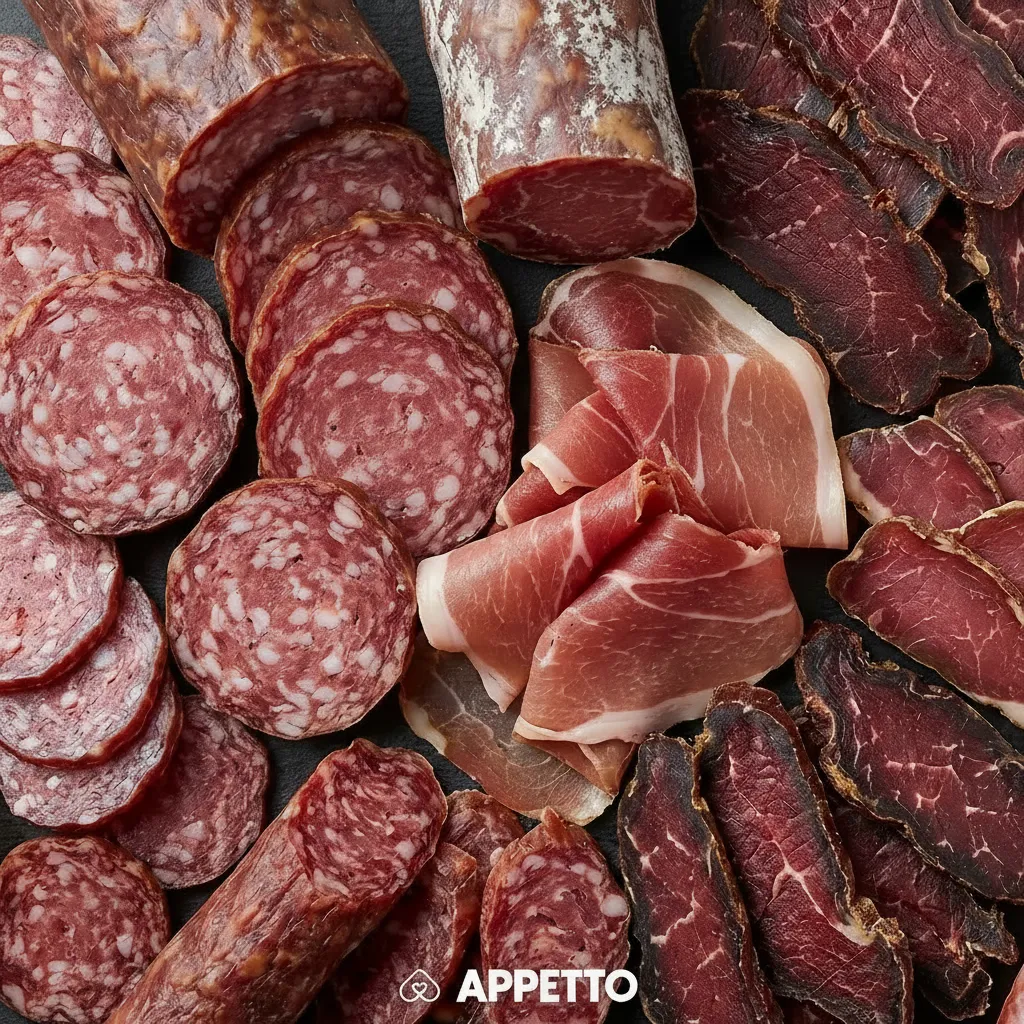
Opinions on cured horsemeat for cats are divided, but it’s best avoided to be safe. The concerns mainly involve salt, additives, and processing, not simple raw meat.
Quick verdict
- For cats: divided opinions.
- Key takeaway: avoid all cured meats, even those made from horse.
Cured horsemeat and cats: too processed
Lean horsemeat can be quite different from a charcuterie product. In cured meats, the recipe can contain variable amounts of salt, additives, and fat.
Possible benefits?
Very few compared to the risks.
- Animal protein.
- But it’s a processed and often salty product.
Risks to know
- Salt: risk of overload.
- Additives: uncertain tolerance.
- Processing: variable recipes.
How much to give?
No deliberate amount is recommended.
Raw, cooked, or dried?
The main issue is the processing. It is not a suitable food for cats.
How to prevent ingestion?
- Do not give cured meats to your cat.
- Keep leftovers out of reach.
- Choose plain lean cooked meat instead if needed.
At-risk cats
- Cats with kidney issues.
- Cats with heart conditions.
- Senior cats.
- Cats with sensitive digestion.
- Overweight cats.
My cat ate some: what should I do?
Monitor for vomiting, diarrhea, lethargy, or unusual thirst. If a large amount was eaten, contact a vet.
How can APPETTO help?
APPETTO helps you spot unsuitable processed products, compare cat foods using the Pet-Score®, and choose with peace of mind. Download APPETTO.
FAQ
Is cured horsemeat toxic to cats?
Not necessarily, but it is too processed and salty.
Can my cat eat a small piece?
It’s best avoided.
Why avoid cured meats?
Because of the salt, additives, and variable recipes.
What signs to watch for?
Vomiting, diarrhea, or lethargy.
Can a cat with kidney disease eat it?
No, salt must be avoided.
What’s a better alternative?
Plain cooked lean meat, without salt or bones.
Cured horsemeat remains too risky for cats. To compare more suitable feline products, APPETTO helps you with the Pet-Score®. Download APPETTO.
Credits and warning
Credits: Content developed by the APPETTO team based on referenced sources and our internal food classification methodology.
Warning: This information is general and does not replace veterinary advice.