


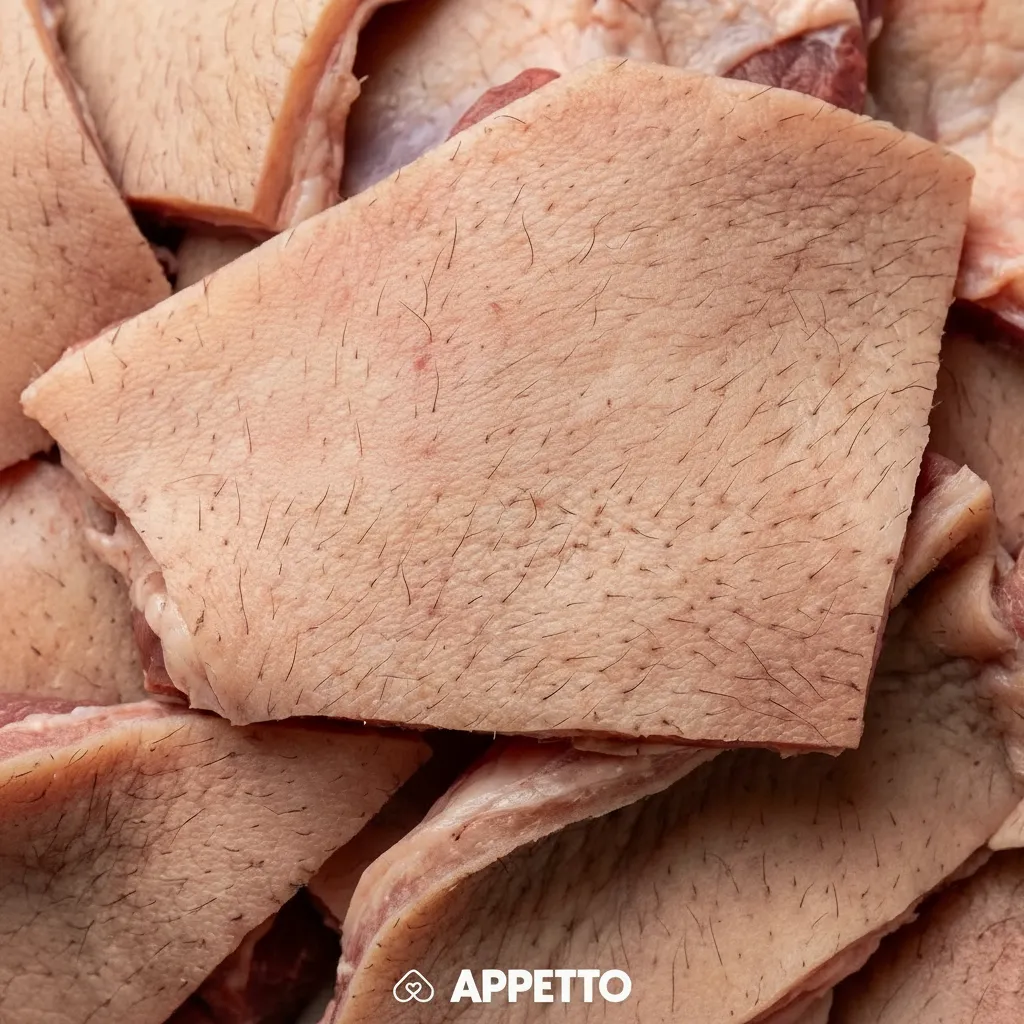
Beef rawhide should generally be avoided for dogs. While it can keep them busy and mechanically clean their teeth, the risks of choking, bowel obstruction, contamination, or chemical residues often outweigh the benefits.
Quick Verdict
- For dogs: best avoided.
- Key takeaway: exercise maximum caution with rawhide or compressed leather chews.
Beef rawhide and dogs: chewing or blockage?
Chewable skins can swell, soften, break, or be swallowed in large chunks. The problem is mainly mechanical: a piece can get stuck in the esophagus or intestines.
Is beef rawhide dangerous for dogs?
It can be, especially for greedy eaters, puppies, and brachycephalic dogs. Processed products can also raise concerns about chemical or microbial residues. While many pet owners might ask can dogs eat beef or look for safe beef dog food, it is important to remember that beef rawhide is a completely different product with its own specific risks.
What are the possible benefits?
- Keeps them occupied.
- Encourages chewing.
- Possible mechanical effect on teeth.
However, these benefits remain insufficient if the product is poorly suited or swallowed too quickly.
Risks to be aware of
- Swelling: possible digestive blockage.
- Tanning residues: contamination or irritation.
- Low digestibility: digestive stagnation.
How much beef rawhide should you give your dog?
It is better to avoid it altogether. If a chewing treat is used, it should remain an occasional occurrence, be appropriate for the dog’s size, and be supervised from start to finish.
- Small dogs: avoid.
- Medium dogs: avoid or find a safe alternative.
- Large dogs: strict supervision if used.
Natural, dried, or compressed skin: what to remember?
The risks persist. Compressed or very hard rawhides require particularly close monitoring.
How to minimize the risk?
- Choose an approved and appropriate alternative.
- Never leave your dog alone with a rawhide chew.
- Take the product away as soon as it gets small or slimy.
When should it be absolutely avoided?
- Puppies.
- Brachycephalic dogs.
- Greedy eaters.
- Dogs with a history of bowel obstruction.
- Dogs with sensitive digestion.
My dog swallowed a piece of beef rawhide: what should I do?
Watch out for choking, vomiting, lack of stools, abdominal pain, or lethargy. If in doubt, contact a vet.
Which signs should alert you?
Choking, vomiting, constipation, diarrhea, abdominal pain, or fatigue are all red flags.
What are safer alternatives?
- Appropriate chew toys.
- Tested dental treats.
- Food-dispensing toys used under supervision.
How can APPETTO help you?
APPETTO helps you compare treats and chews, spot hidden risks, and make informed choices using the Pet-Score®. Download APPETTO.
FAQ
Is beef rawhide good for my dog?
It can keep them occupied, but the risks are significant.
Is rawhide safe for dogs?
It should be avoided or used with great caution.
Why can beef rawhide block the intestines?
Because it is dense, poorly digestible, and can be swallowed in large pieces.
What signs should I watch for after ingestion?
Vomiting, constipation, or abdominal pain.
Can a puppy chew on beef rawhide?
It’s best avoided.
Can a brachycephalic dog have it?
No, the risk of choking is too high.
Beef rawhide is a deceptively bad idea for many dogs. To compare safer alternatives, APPETTO can help with the Pet-Score®. Download APPETTO.
Credits and disclaimer
Credits: Content created by the APPETTO team based on referenced sources and our internal food classification methodology.
Disclaimer: This information is for general guidance and does not replace veterinary advice.