


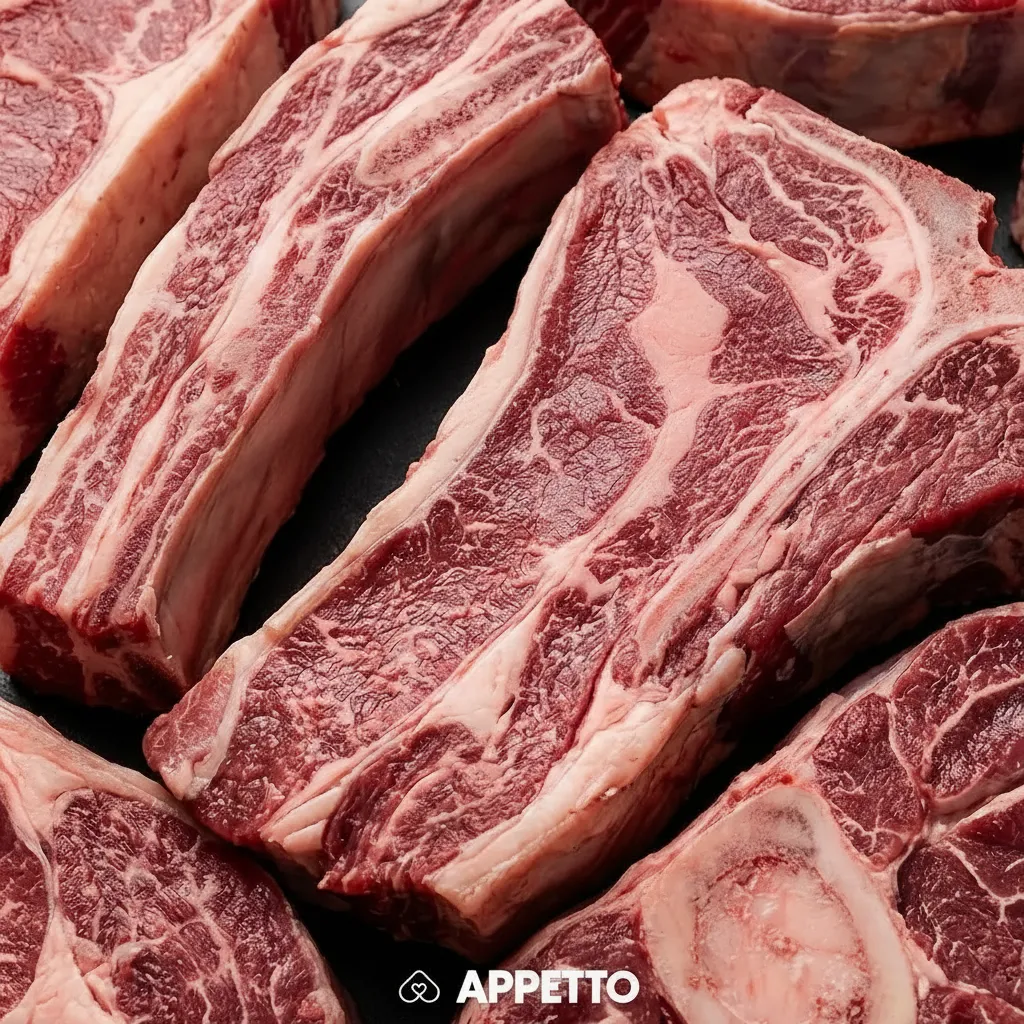
Beef bones can be given to your dog in strict moderation, but only if they are raw, large, suited to their size, and offered under supervision. Cooked bones should be avoided as they can splinter.
Quick verdict
- For dogs: allowed with strict moderation.
- Key takeaway: large raw meaty bones only; never give cooked or thin bones.
Beef bones for dogs: useful chew or emergency risk?
A suitable bone can keep your dog occupied and help with mechanical dental cleaning. However, the wrong bone can cause choking, blockages, constipation, or digestive tract injuries.
Can dogs eat beef bones safely?
They can pose a risk, especially if they are cooked, too small, or given to a dog that gulps its food. Even a large bone must be supervised and taken away at the right time.
What are the potential benefits?
- Chewing satisfaction.
- Mental stimulation.
- Environmental enrichment.
- Partial mechanical cleaning of the teeth.
Risks to be aware of
- Splinters: can cause internal perforations.
- Unsuitable size: risk of blockages or choking.
- Too hard: can lead to fractured teeth.
How many beef bones can dogs have?
Bones should remain a very occasional treat. They must never replace a balanced diet or be left with your dog unsupervised.
- Small dogs: generally best to avoid.
- Medium dogs: appropriately sized bone, under strict supervision.
- Large dogs: large raw meaty bones, given occasionally.
Raw or cooked: which to choose?
Many pet owners wonder, can dogs eat cooked beef bones? The answer is no; cooked bones are strictly forbidden. The cooking process weakens the bone structure, making it highly prone to dangerous, sharp splintering.
How to minimize the risks?
- Choose a large, appropriate raw bone.
- Always supervise the chewing session.
- Take the bone away if it splinters or becomes too small.
When should bones be avoided altogether?
- Brachycephalic (flat-faced) dogs.
- Dogs that gulp their food.
- Dogs with fragile or damaged teeth.
- Puppies.
- Dogs prone to constipation or with sensitive digestion.
My dog swallowed a beef bone: what should I do?
Monitor their breathing, stools, look out for vomiting, and check for abdominal pain. If in any doubt, contact a veterinarian immediately.
What warning signs should I look for?
Choking, vomiting, severe constipation, abdominal pain, blood in the stool, or extreme lethargy are all red flags.
What are the safer alternatives?
- Appropriate chew toys.
- Veterinary-approved dental chews.
- Food-dispensing puzzle toys without bones.
How can APPETTO help?
APPETTO helps you compare chewing products, identify potential mechanical risks, and choose safer options using the Pet-Score®. Download APPETTO.
FAQ
Can dogs eat cooked beef bones?
No, cooked bones must be completely avoided due to the high risk of splintering.
Are marrow bones safe for dogs?
They can be used with caution, provided they are correctly sized for the dog and heavily supervised.
What signs should I watch for after my dog eats a bone?
Watch out for choking, vomiting, constipation, or blood in their stool.
Can a flat-faced (brachycephalic) dog chew on bones?
It is generally safer to avoid giving them bones.
Do bones actually clean a dog’s teeth?
They can offer a mechanical cleaning effect, but the associated risks must be taken very seriously.
What should I do if my dog swallows a fragment?
Contact a vet if the fragment is large or if your dog shows any signs of distress.
Offering beef bones for dogs requires real caution. To compare safer chew alternatives, APPETTO helps you with its Pet-Score®. Download APPETTO.
Credits and disclaimer
Credits: Content created by the APPETTO team based on referenced sources and our internal food classification methodology.
Disclaimer: This information is general in nature and does not replace the advice of a qualified veterinarian.