


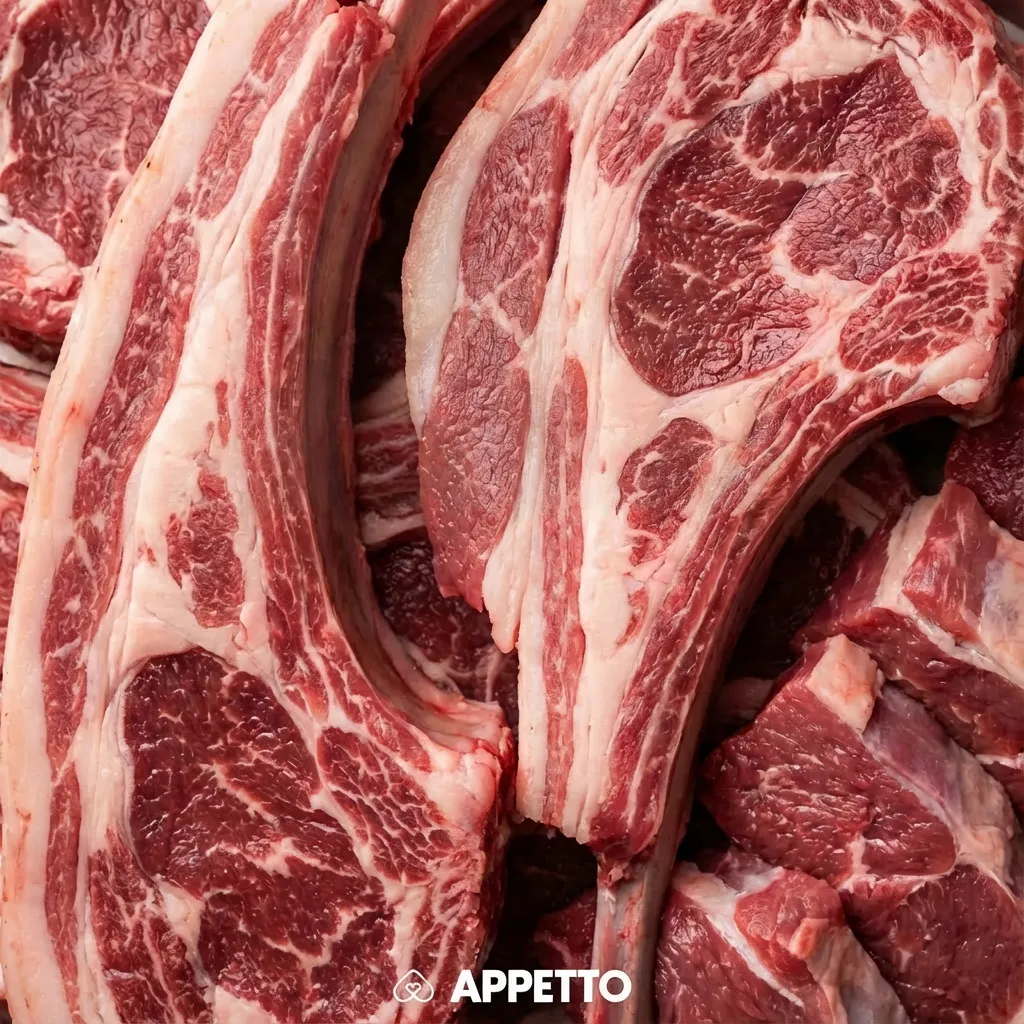
Lamb meat can be given to dogs in moderation. It provides high-quality protein, great palatability, and can be suitable for some dogs sensitive to other meats, provided you choose lean cuts.
Quick verdict
- For dogs: allowed in moderation.
- Key takeaway: lean meat, preferably well-cooked, with no visible fat.
Lamb and dogs: a good idea or too fatty?
Lamb is a great source of animal protein, but certain cuts are quite fatty. The best approach is to trim any visible fat and stick to an appropriate portion size.
Is lamb meat dangerous for dogs?
No, as long as it is lean, plain, and given in reasonable amounts. The main risks are weight gain, digestive upset, and allergic reactions in some dogs.
What are the possible benefits?
- Complete proteins.
- Highly palatable.
- Essential amino acids.
- A good alternative for sensitive dogs. If you often wonder whether is lamb or chicken better for dogs, lamb is an excellent choice for pups with poultry sensitivities. This is why lamb and rice dog food is so widespread, with popular options like Purina Pro Plan lamb and rice or Diamond Naturals lamb and rice catering to these specific dietary needs.
Risks to be aware of
- High fat content: can lead to weight gain and difficult digestion.
- Allergies: may cause itching or diarrhea.
- Raw meat: bacterial or parasitic risks if the supply chain is not strictly controlled.
How much lamb should you give your dog?
The amount depends on their overall daily diet, weight, and activity level. As an extra treat, lamb should only make up a small portion of their intake and remain unseasoned.
- Small dogs: a tiny, lean piece.
- Medium dogs: a small occasional portion.
- Large dogs: a moderate portion based on their daily ration.
Raw or cooked lamb: which to choose?
Cooking is highly recommended to reduce microbial and parasitic risks. Feeding raw meat requires a carefully controlled supply chain and strict ration management.
How to prepare it properly?
- Choose a lean cut.
- Remove all visible fat.
- Cook without salt, spices, garlic, or onions.
When should it be avoided?
- Dogs prone to pancreatitis.
- Overweight dogs.
- Dogs allergic to lamb.
- Puppies (unless introduced very gradually).
- Dogs on a strict veterinary diet.
My dog ate lamb: what should I do?
If it was a lean, cooked, and plain piece of meat, simply monitor them. If it was fatty, seasoned, or contained bones, watch for any digestive signs and contact your vet if necessary.
What signs should you watch out for?
Keep an eye out for itching, vomiting, diarrhea, abdominal pain, or lethargy.
What are some close alternatives?
- Cooked lean beef.
- Cooked skinless chicken.
- Lean turkey.
How can APPETTO help?
APPETTO helps you compare animal proteins, read dog food labels easily with the Pet-Score®, and make choices tailored to your pet’s nutritional profile. Download APPETTO.
FAQ
Is lamb meat good for my dog?
Yes, if it is lean, plain, and properly portioned.
Can my dog eat raw lamb?
It is not recommended unless sourced from a strictly controlled supply chain.
Should I remove the fat from the lamb?
Yes, it is highly recommended.
Can lamb cause an allergic reaction?
Yes, in some sensitive dogs.
What signs should I monitor after ingestion?
Vomiting, diarrhea, or itching.
Can a puppy eat lamb?
Yes, but in very small amounts and introduced gradually.
Lamb meat can be a fantastic protein for dogs, but it must remain lean and well-portioned. To compare suitable products, APPETTO helps you out with its Pet-Score®. Download APPETTO.
Credits and disclaimer
Credits: Content created by the APPETTO team based on referenced sources and our internal food classification methodology.
Disclaimer: This information is general and does not replace professional veterinary advice.