


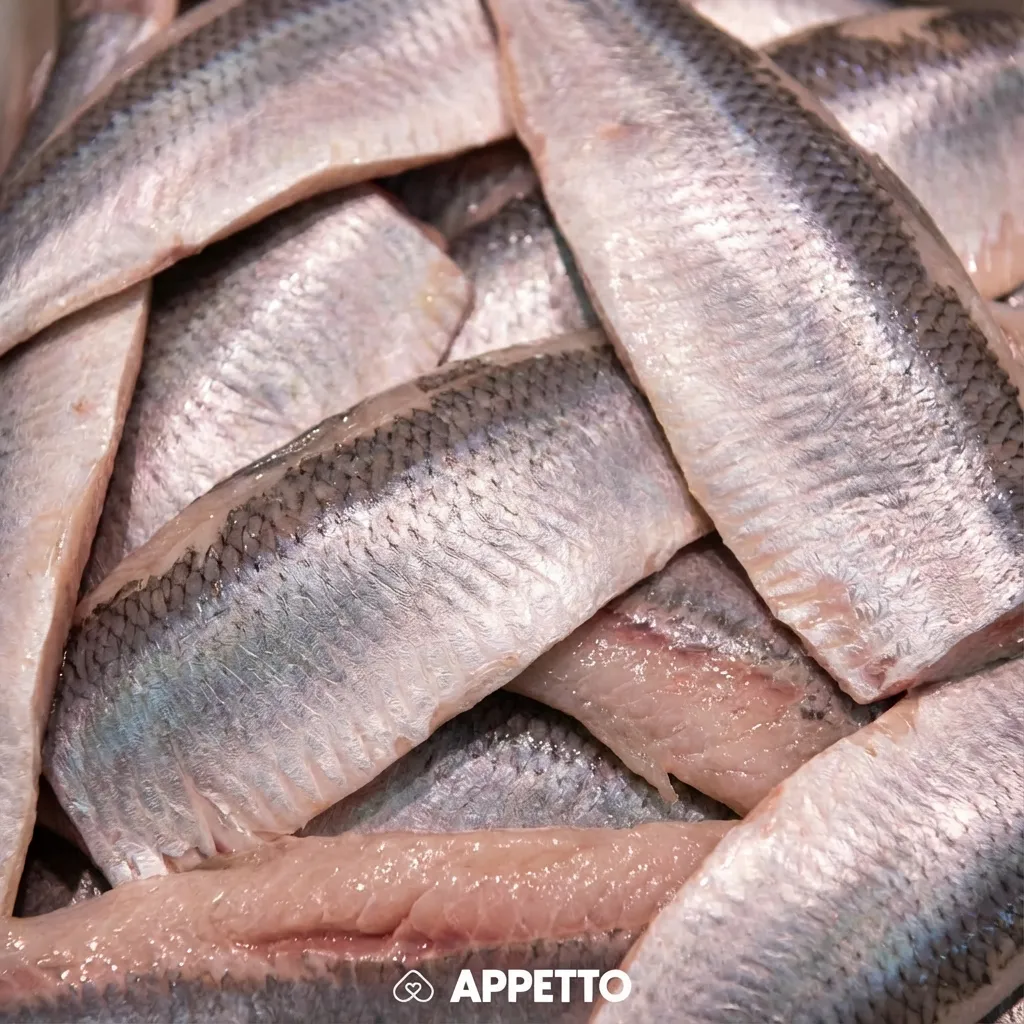
Natural herring is an excellent choice for treating your feline friend while taking care of their health. This small, oily fish is packed with essential nutrients, but a few preparation rules must be followed to ensure it is consumed safely.
The benefits of herring for cats
Adding natural herring to your cat’s diet offers several benefits. It is particularly rich in high-quality proteins and omega-3 fatty acids (EPA and DHA). These nutrients contribute to a beautiful coat, maintain good heart function, support the immune system, and promote your companion’s joint health.
How to prepare natural herring for your cat?
To make herring safe and easy to digest, it is highly recommended to serve it cooked. Cooking (ideally steamed or poached) destroys thiaminase, an enzyme found in raw fish that breaks down vitamin B1, which is essential for cats. Also, carefully remove all bones to avoid any risk of choking or puncturing the digestive tract. It is crucial to choose 100% natural herring: no added salt, no spices, and not marinated in oil.
What are the risks?
Although herring is beneficial, it remains a very fatty fish. Excessive consumption can lead to weight gain or cause digestive issues such as diarrhea or vomiting. Warning: smoked, salted, marinated, or canned herring is strictly prohibited. Its high salt content and potential additives are highly dangerous and toxic to a cat’s kidneys.
How much should you give them?
Natural herring should not replace their complete and balanced diet; it must remain an occasional treat. A small portion of about 10 to 15 grams, offered once a week, is more than enough to treat a healthy adult cat.