


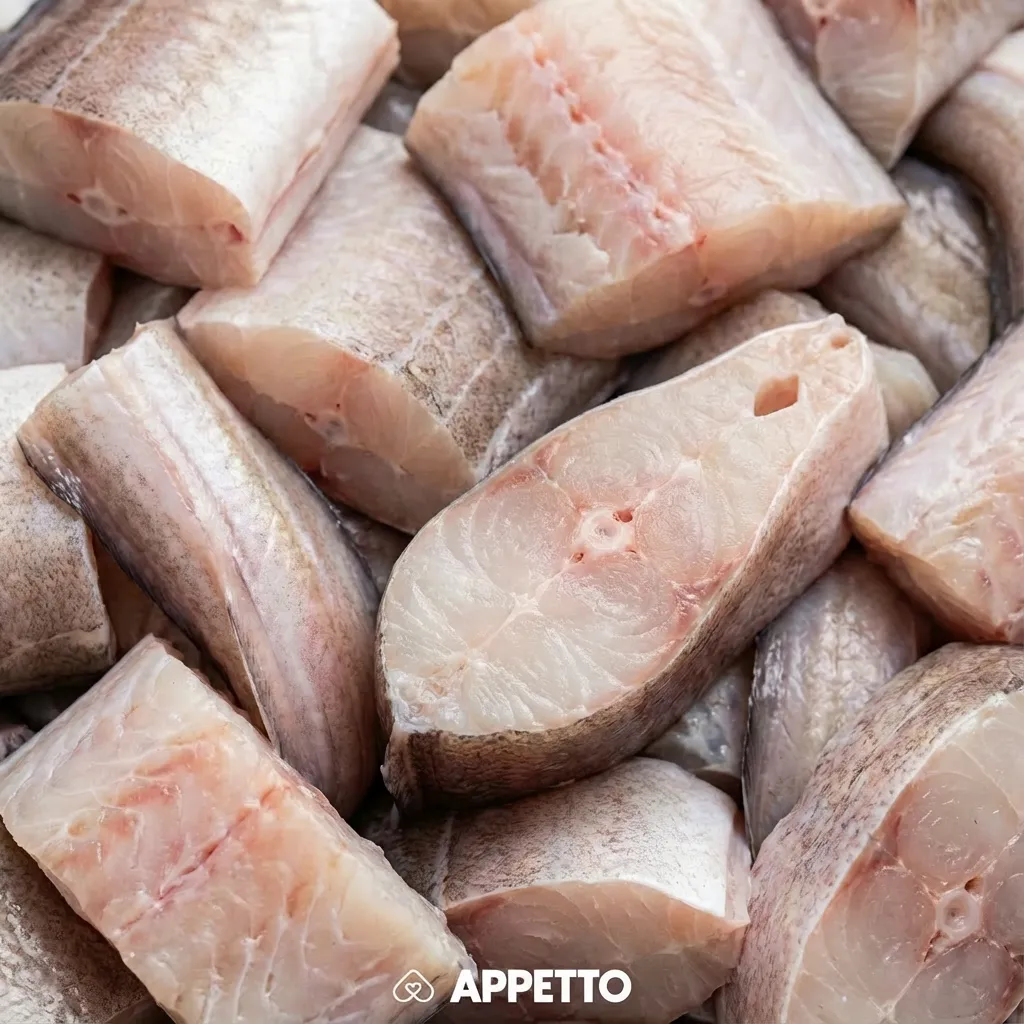
Wondering if you can share a piece of conger eel with your little feline? This marine fish, although appetizing to our four-legged friends, requires a few precautions before landing in their bowl.
The benefits of conger eel for cats
Conger eel is an excellent source of high-quality protein, essential for maintaining your cat’s muscle mass. It also contains omega-3 fatty acids, which contribute to healthy coat and skin, as well as a properly functioning immune system.
The risks: watch out for bones!
The main danger of conger eel lies in its bone structure. This fish is indeed particularly full of fine and very hard bones. If ingested, they can cause:
- Choking or airway obstruction.
- Severe damage to the esophagus, stomach, or intestines.
How to prepare conger eel for your cat
To safely offer conger eel to your cat, follow these simple rules:
- Cooking is mandatory: Never give raw conger eel. Raw fish can contain parasites and bacteria, as well as an enzyme (thiaminase) that destroys vitamin B1.
- Careful deboning: Remove absolutely all bones, skin, and excessive fat.
- No seasoning: Boil or steam the fish, without salt, butter, garlic, or onions (the latter two being extremely toxic to cats).
How much can they eat?
Conger eel should remain an occasional treat and not replace your cat’s complete and balanced diet. A small portion of about 10 to 20 grams, once in a while, is more than enough.
In summary
Yes, your cat can eat conger eel, but only if it is perfectly cooked, plain, and meticulously cleared of all its bones. If in doubt or if you are worried about missing a bone, it is better to opt for fish fillets that are easier to prepare for your companion.