


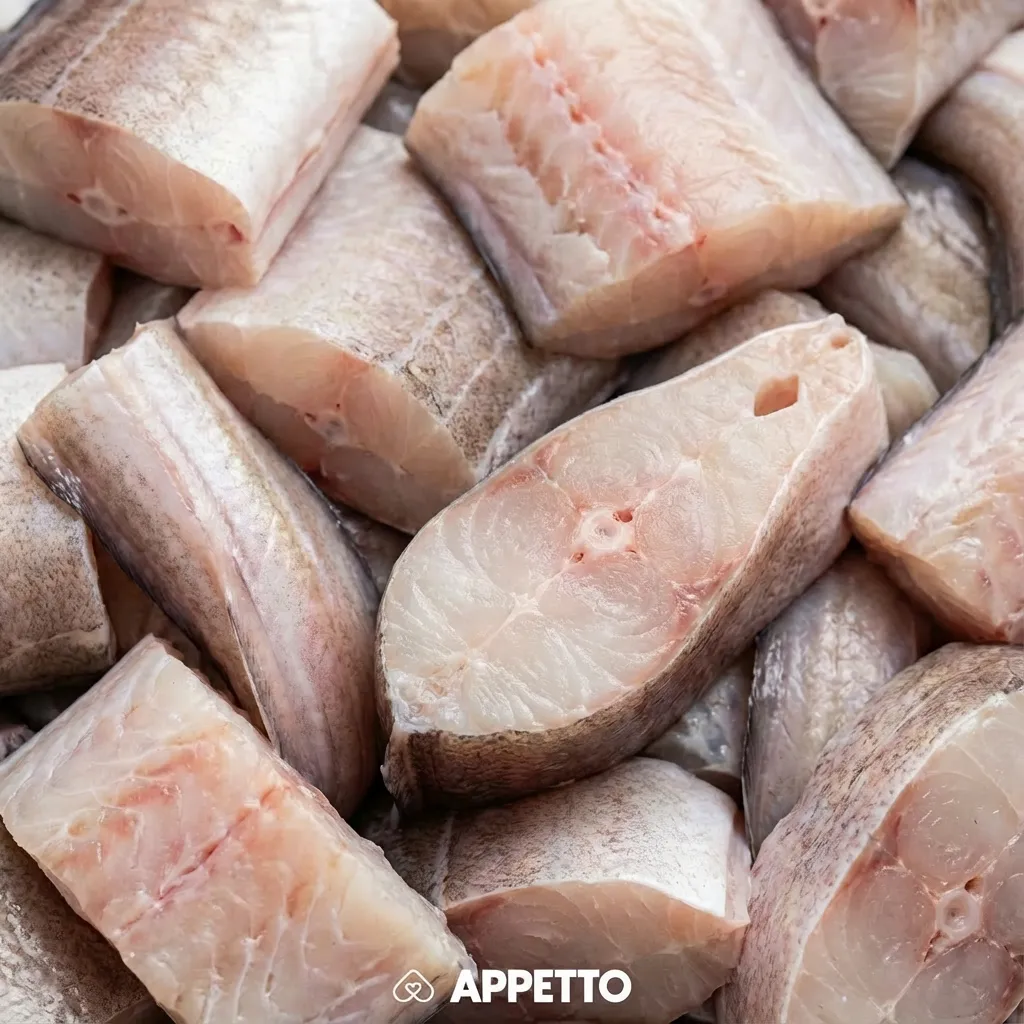
Can my dog eat conger eel?
Fish is often an excellent source of protein for our four-legged friends. But what about conger eel? The answer is yes, your dog can absolutely eat conger eel, provided you take important precautions during its preparation. This white fish offers many nutritional benefits, but it also has certain characteristics you need to be wary of.
What are the benefits of conger eel for dogs?
Conger eel is a marine fish that boasts several health benefits for your pet:
- Rich in protein: Ideal for maintaining muscle mass and daily energy levels.
- Low in fat: It is an excellent alternative for overweight dogs or those needing a lighter diet.
- Source of vitamins and minerals: It provides B vitamins (like vitamin B12), which are essential for a properly functioning nervous system.
The risks: watch out for bones!
While the flesh of the conger eel is excellent, this fish is notorious for its numerous bones, which are particularly fine and hard, especially in the tail section. These bones pose a major danger to your dog: they can cause choking, esophageal lesions, or severe intestinal perforations. Furthermore, like all fish, conger eel should never be given raw to avoid food poisoning linked to bacteria or parasites, as well as the presence of thiaminase, an enzyme that destroys vitamin B1.
How to properly prepare conger eel for your dog?
To safely offer conger eel to your dog, follow these simple rules:
- Thorough cooking: Always cook the fish (steamed or boiled) to eliminate parasites and bacteria.
- No seasoning: Do not add salt, butter, oil, or spices. Garlic and onion are toxic to dogs and must be strictly avoided.
- Meticulous deboning: This is the most crucial step. Make absolutely sure you remove all the bones. Opt for the fleshy pieces located near the head (the belly), where the bones are larger and easier to remove.
- In small quantities: Introduce conger eel gradually into their diet, as an occasional treat or meal supplement, to prevent digestive upset.
In summary, conger eel can be a delicious protein-rich treat for your dog, but its preparation requires great vigilance because of the bones. If in doubt, opt for fish that are easier to prepare, such as cod or salmon!