


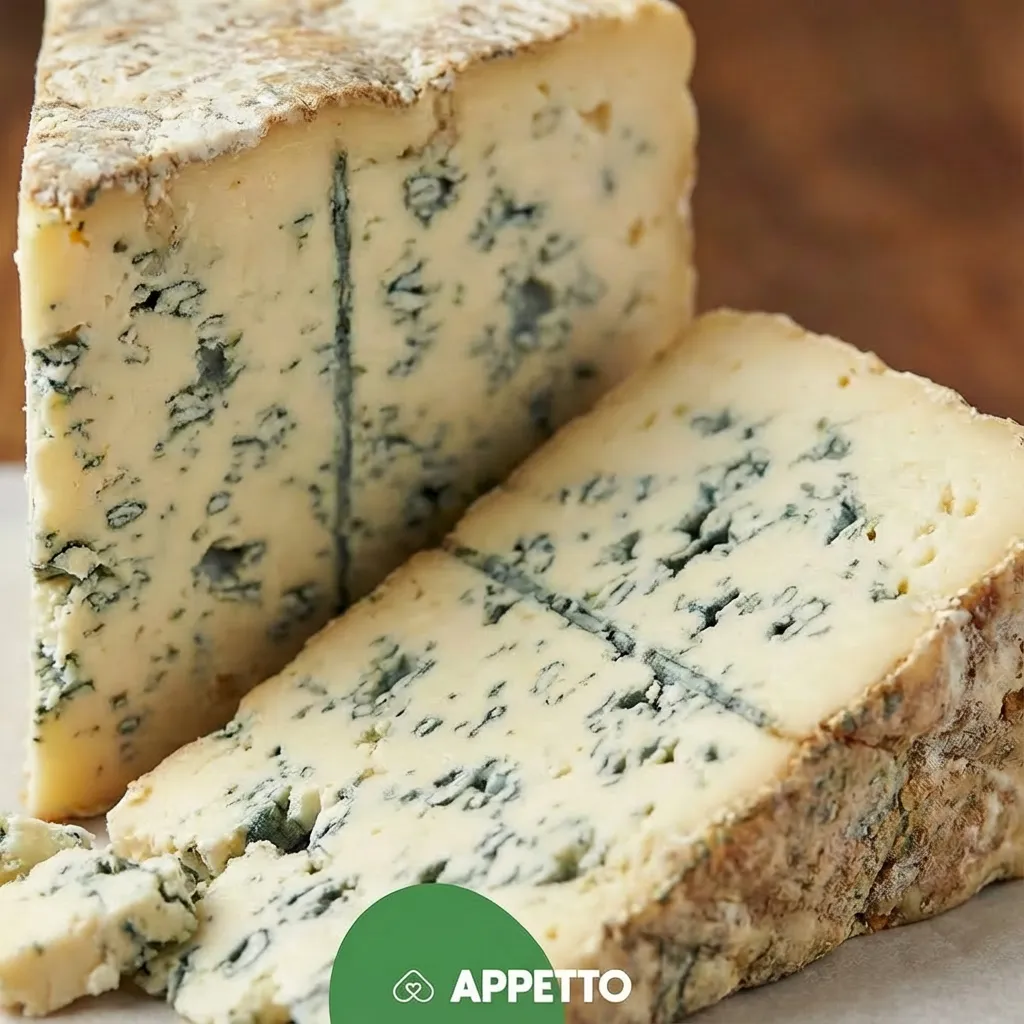
Stilton is strictly prohibited for cats. This blue cheese can contain roquefortine C, a toxin associated with mold, carrying neurological and digestive risks. Cats do not need cheese in their diet, let alone a cheese that screams “terrible idea waiting to happen.”
Quick Verdict
- For cats: strictly prohibited.
- Key takeaway: risk of vomiting, diarrhea, tremors, seizures, and neurological signs.
Stilton for cats: allowed, to be limited, or prohibited?
Stilton should never be given to cats. The entire cheese must be avoided: the paste, internal mold, crumbs, sauces, pies, pizzas, and ready meals containing Stilton.
Is Stilton dangerous or toxic to cats?
Yes, Stilton can pose a toxic risk due to roquefortine C. Possible signs include digestive upset, agitation, tremors, or seizures. Lactose can also aggravate gastrointestinal distress.
What are the possible benefits?
There are no benefits to giving Stilton to a cat.
- The protein does not justify the risk linked to the mold.
- An appropriate feline treat is much safer.
What risks should I be aware of?
Stilton combines neurological and digestive risks.
- Roquefortine C: agitation, tremors, seizures.
- Lactose: vomiting, diarrhea, and discomfort.
- Parts to avoid: all the cheese, internal mold, Stilton sauces and dishes.
How much should I give my cat?
No amount is recommended. Stilton must be completely banned.
- Adult cat: do not give.
- Sensitive cat: do not give.
- Kitten: never give.
Can my cat eat raw, cooked, or saucy Stilton?
No. Raw, cooked, melted, or in a sauce, Stilton remains prohibited. Cooking does not make it suitable for cats.
How to react properly?
- Immediately remove the cheese or dish.
- Note the amount swallowed and the time of ingestion.
- Contact a vet if a significant amount was eaten or if symptoms appear.
When should it be avoided?
- Kittens.
- Senior cats.
- Adult cats that are lactose intolerant, frail, sick, or neurologically sensitive.
- Cats on medication or a veterinary diet.
My cat ate Stilton: what should I do?
Seek advice from a veterinarian. Do not try any home remedies. If your cat shows vomiting, diarrhea, tremors, seizures, fatigue, or abnormal behavior, you must act quickly.
What signs should alert me?
Vomiting, diarrhea, seizures, tremors, disorientation, fatigue, hypersalivation, loss of appetite, or unusual behavior should raise an alarm.
What are safer alternatives?
- A feline treat formulated for cats.
- A small piece of plain cooked chicken.
- A complete wet food tailored to their profile.
How can APPETTO help you?
APPETTO helps you identify foods that are strictly prohibited for cats and compare products using the Pet-Score®. This allows you to choose more clearly, without taking unnecessary risks. Download APPETTO.
FAQ
Is Stilton toxic to my cat?
Yes, it can present a toxic risk due to roquefortine C.
How much Stilton can I give my cat?
None. Stilton is prohibited for cats.
Can my cat eat Stilton sauce?
No, it still contains blue cheese and often salt or fats.
Can my cat eat cooked Stilton?
No, cooking does not make Stilton safe for cats.
What signs should I watch for if my cat ate Stilton?
Watch for vomiting, diarrhea, tremors, seizures, fatigue, and unusual behavior.
Can a kitten eat Stilton?
No, never. If ingested, seek veterinary advice.
Stilton is strictly prohibited for cats: roquefortine C, molds, and digestive issues make it a food to ban. To better compare suitable products, APPETTO helps you with the Pet-Score®. Download APPETTO.
Credits and Disclaimer
Credits: Content created by the APPETTO team based on referenced sources and the internal food classification methodology.
Disclaimer: This information is general and does not replace veterinary advice.