


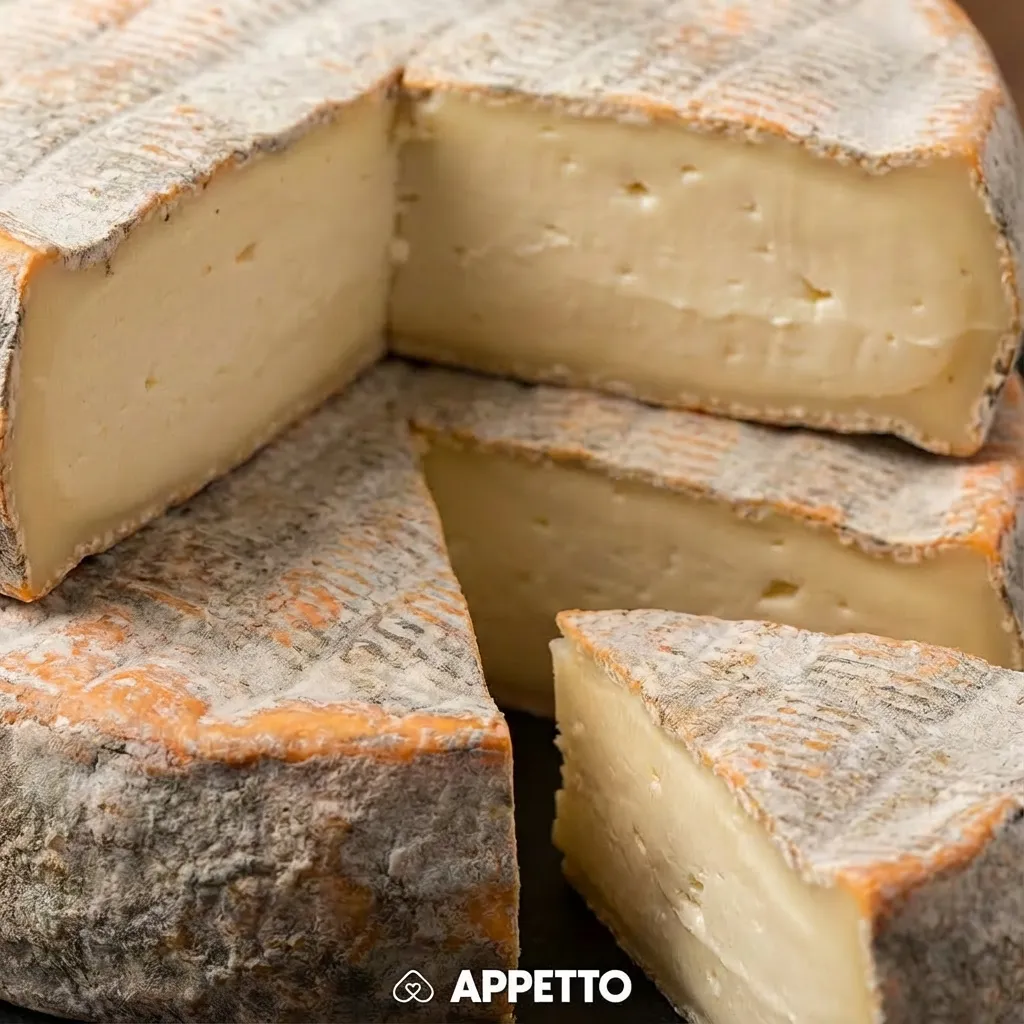
Saint-Nectaire can be given to dogs in moderation, in very small quantities. It provides a little protein and calcium, but it remains fatty, salty, and may contain lactose. The paste can sometimes be tolerated; the moldy rind, however, is not a treat. Even if the dog is convinced that everything falling from the cheese board belongs to them.
Quick verdict
- For dogs: allowed in moderation.
- Key takeaway: small amount of paste only, avoid the moldy rind, and monitor digestion.
Saint-Nectaire for dogs: allowed, to be limited, or forbidden?
Saint-Nectaire is not strictly forbidden for dogs, but it should remain a very occasional treat. Its high fat and salt content can cause digestive issues, increased thirst, or weight gain if portions are repeated.
Is Saint-Nectaire dangerous or toxic for dogs?
Saint-Nectaire is not toxic in small amounts of the paste, but it can be dangerous in excess. The moldy rind should be avoided, as it can be harder to digest and less safe. Dogs sensitive to lactose may experience diarrhea or gas.
What are the potential benefits?
The benefits are modest.
- Provides a little protein and calcium.
- Can serve as an exceptional treat in very small quantities.
What are the risks to know?
The quantity and the rind are the two points to watch.
- Fats and salt: weight gain, increased thirst, digestive discomfort.
- Lactose: diarrhea and gas in sensitive dogs.
- Parts to avoid: moldy rind, very mature cheese, dishes containing Saint-Nectaire.
How much should you give your dog?
If your dog tolerates it, stick to a mini-portion of the paste.
- Small dog: a mini-shaving of paste.
- Medium dog: a small piece occasionally.
- Large dog: one or two small pieces maximum, rarely.
Can my dog eat Saint-Nectaire raw, melted, or in a dish?
A small portion of plain paste is the only viable form. Melted in a truffade, a sauce, a tart, or a gratin, Saint-Nectaire is often combined with salt, fats, garlic, onion, or cold cuts.
How to prepare it properly?
- Remove the moldy rind.
- Give only a mini-piece of the paste.
- Monitor stools, gas, and appetite after ingestion.
When should it be avoided?
- Puppies.
- Senior dogs.
- Dogs sensitive to lactose, overweight, or prone to digestive issues.
- Dogs under treatment, with heart or kidney disease, or on a veterinary diet.
My dog ate Saint-Nectaire: what should I do?
If your dog ate a small piece of paste, just keep an eye on them. If the quantity was large, if the moldy rind was swallowed, or if vomiting, diarrhea, or pain appears, contact your veterinarian.
What signs should alert you?
Vomiting, diarrhea, gas, abdominal pain, unusual thirst, lethargy, or loss of appetite should be red flags.
What are safer alternatives?
- A low-salt dog treat.
- A small piece of plain cooked chicken.
- A reward specifically formulated for dogs.
How can APPETTO help you?
APPETTO helps you compare dog products and understand which foods are allowed only with caution. Thanks to the Pet-Score®, you can make more informed choices for their bowl. Download APPETTO.
FAQ
Is Saint-Nectaire toxic for my dog?
No, not a small piece of the paste, but it can be poorly tolerated in excess.
How much Saint-Nectaire can I give my dog?
A mini-piece of paste, very occasionally.
Can my dog eat the Saint-Nectaire rind?
It is better to avoid the rind, especially if it is moldy or very mature.
Can my dog eat melted Saint-Nectaire?
It is not recommended, as cheese dishes are often too fatty and salty.
What signs should I watch for if my dog ate Saint-Nectaire?
Watch for vomiting, diarrhea, gas, unusual thirst, and abdominal pain.
Can a puppy eat Saint-Nectaire?
It is better to avoid it. Puppies are more sensitive to lactose and fatty foods.
Saint-Nectaire can be tolerated in mini-quantities by some dogs, but it should be limited. To better compare suitable products, APPETTO helps you with the Pet-Score®. Download APPETTO.
Credits and disclaimer
Credits: Content developed by the APPETTO team based on referenced sources and internal food classification methodology.
Disclaimer: This information is general and does not replace veterinary advice.