


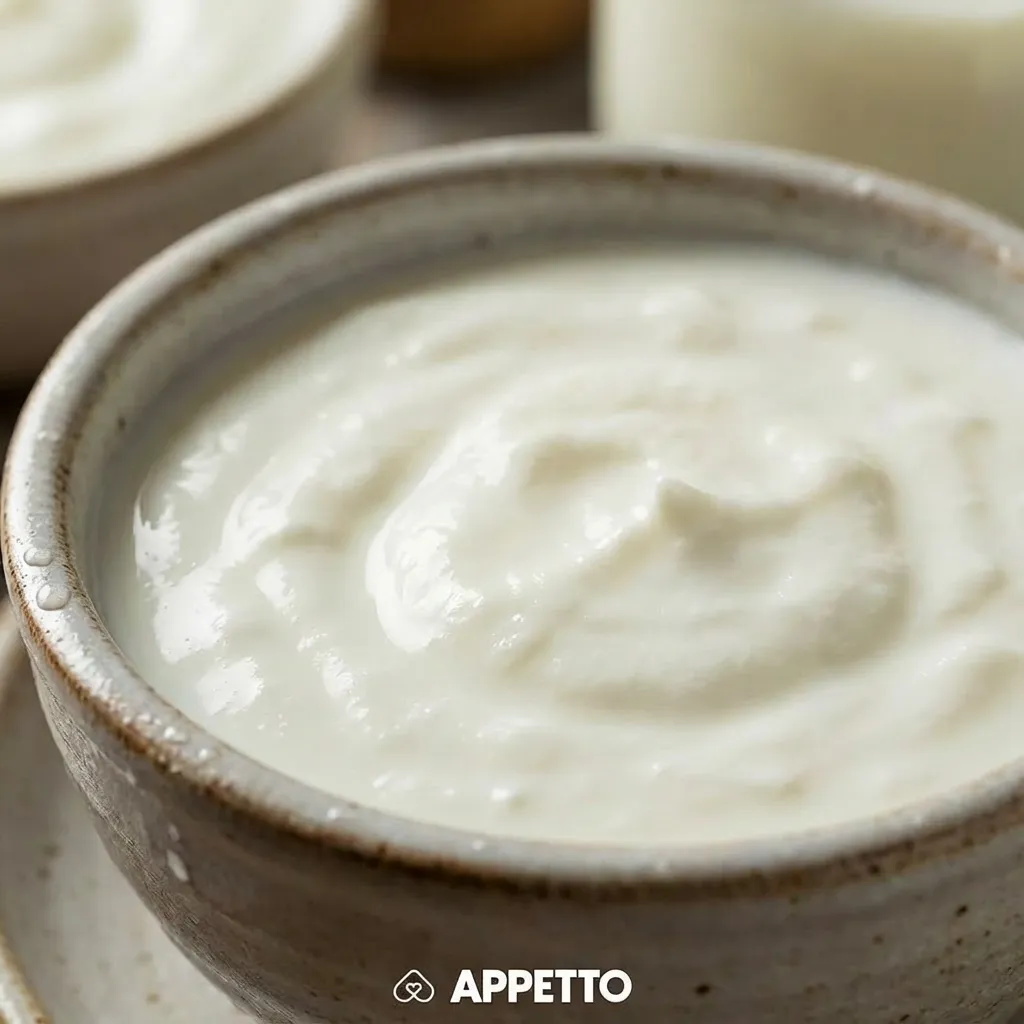
Neufchâtel cheese can be tolerated by some cats in micro-quantities, but it should remain a very occasional treat. It contains lactose, salt, and fats, so it’s not an ideal snack for an obligate carnivore. A tiny crumb might pass now and then; a daily cheese habit will not. Even if your cat looks ready to plead its case in court.
Quick Verdict
- For cats: allowed with strict moderation.
- Key takeaway: micro-portions only, very rarely, and to be avoided in cats that are sensitive or lactose intolerant.
Neufchâtel for cats: allowed, limited, or forbidden?
Neufchâtel is not strictly forbidden for cats, but it is not suitable for a regular diet. Adult cats often have trouble digesting lactose, and their salt intake must be limited. If a micro-portion is given, it must remain exceptional.
Is Neufchâtel dangerous or toxic for cats?
Neufchâtel is not toxic in tiny amounts, but it can cause diarrhea, vomiting, or digestive discomfort in sensitive cats. The salt content can also be problematic for cats with heart or kidney issues.
What are the possible benefits?
The benefits are modest and unnecessary.
- Provides a small amount of protein and calcium.
- Highly palatable, but not enough to make it a recommended treat.
What are the risks to know?
The risk depends on the quantity and individual tolerance.
- Lactose: osmotic diarrhea, vomiting, or gas.
- Salt: water imbalance if given in excess.
- Parts to avoid: the rind, heavily salted cheese, flavored versions, or cheesy dishes.
How much should you give your cat?
If you do offer it, the amount must be minuscule.
- Adult cat: a tiny crumb, very rarely.
- Sensitive cat: avoid entirely.
- Kitten: avoid entirely.
Can my cat eat plain, melted, or processed Neufchâtel?
Plain Neufchâtel in a micro-quantity is the only potentially acceptable form. Melted or mixed into a recipe, it often becomes too fatty, too salty, and combined with unsuitable ingredients.
How to prepare it properly?
- Choose a tiny crumb of plain cheese.
- Avoid the rind and flavored versions.
- Monitor their stool and behavior after ingestion.
When should it be avoided?
- Kittens.
- Senior cats.
- Adult cats that are lactose intolerant, have heart or kidney conditions, are obese, or have sensitive digestion.
- Cats on medication or a low-salt veterinary diet.
My cat ate Neufchâtel: what should I do?
If your cat ate a tiny crumb, just monitor them. If a large amount was consumed, if the rind was swallowed, or if vomiting, diarrhea, or signs of fatigue appear, contact your veterinarian.
What warning signs should I watch for?
Vomiting, diarrhea, gas, fatigue, loss of appetite, unusual thirst, or abnormal behavior should alert you.
What are safer alternatives?
- A suitable feline treat.
- A small piece of plain cooked chicken.
- Specific veterinary putty to hide a pill.
How can APPETTO help you?
APPETTO helps you understand which foods your cat might occasionally tolerate, even if they aren’t perfectly suited. With the Pet-Score®, you can compare products and make more informed choices. Download APPETTO.
FAQ
Is Neufchâtel toxic to my cat?
No, not in micro-quantities, but it can cause digestive upset in sensitive cats.
How much Neufchâtel can I give my cat?
A tiny crumb at most, very rarely.
Can my cat eat the Neufchâtel rind?
It is better to avoid the rind, especially if it is very aged or salty.
Can my cat eat melted Neufchâtel?
No, cheese preparations are often too fatty and salty.
What signs should I monitor if my cat ate Neufchâtel?
Watch for vomiting, diarrhea, gas, fatigue, and loss of appetite.
Can a kitten eat Neufchâtel?
No, kittens should avoid cheese and stick to an appropriate diet.
Neufchâtel can be tolerated in micro-portions by some cats, but it should be heavily limited. To better compare suitable foods and products, APPETTO helps you with the Pet-Score®. Download APPETTO.
Credits and Disclaimer
Credits: Content developed by the APPETTO team based on referenced sources and internal food classification methodology.
Disclaimer: This information is general and does not replace veterinary advice.