


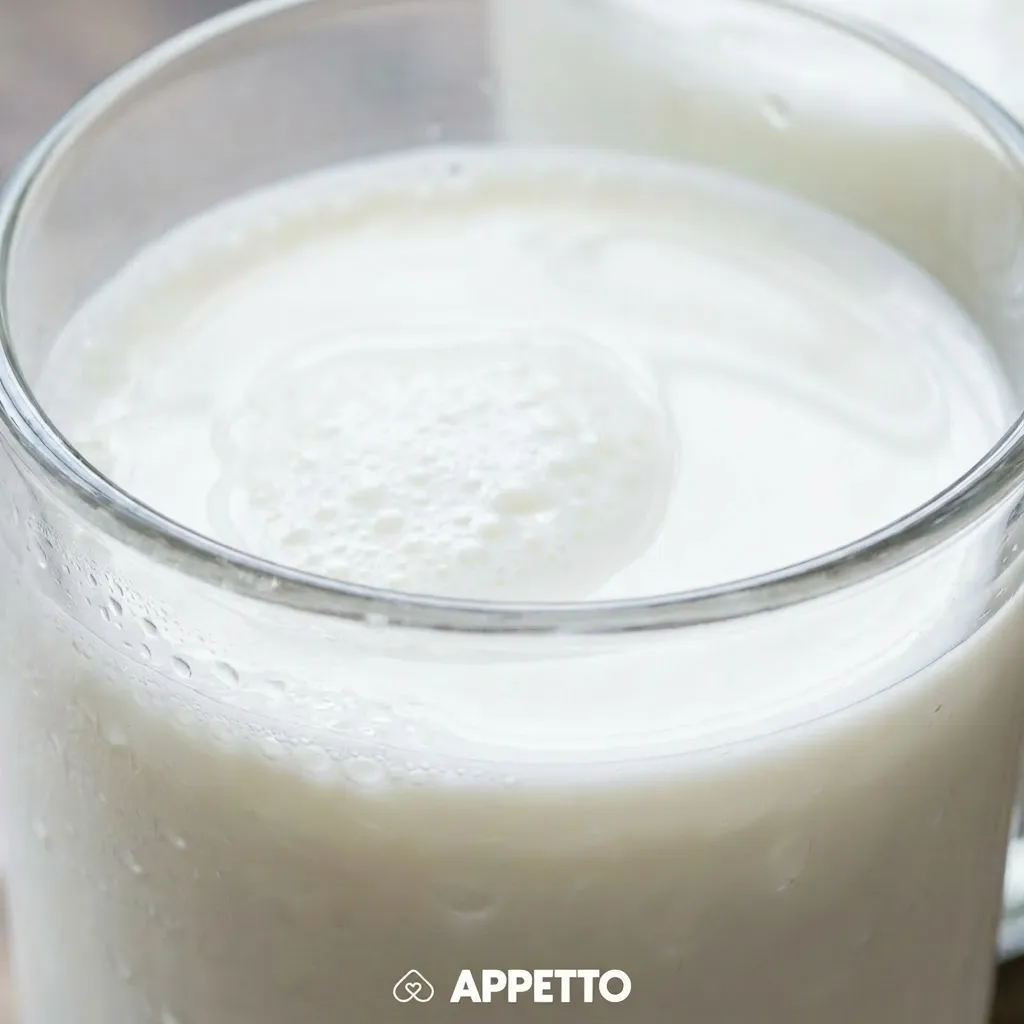
You might be wondering, is milk ok for dogs? Cow’s milk can be tolerated by some dogs in very small quantities, but it should only be an occasional treat. After weaning, many dogs don’t digest lactose well. So, the old habit of giving a bowl of milk “just to make them happy” belongs in the past with other questionable family advice. Fresh water remains a dog’s true beverage.
Quick Verdict
- For dogs: allowed in moderation.
- To remember: very small quantities only, pasteurized, and avoid if diarrhea or vomiting occurs.
Cow’s milk for dogs: allowed, limited, or forbidden?
Cow’s milk isn’t forbidden, but it’s not necessary. It can provide a little protein and calcium, but lactose can cause digestive issues. It should never replace water or a balanced diet.
Is cow’s milk dangerous or toxic for dogs?
Cow’s milk isn’t toxic in small, pasteurized amounts, but it can be dangerous in excess. Lactose can cause diarrhea, and the fats can be problematic for dogs with sensitive pancreases.
What are the potential benefits?
The benefits are modest.
- Provides a little protein and calcium.
- Can lightly hydrate, but water remains essential and preferable.
What are the risks to know?
The main risk is digestive.
- Lactose: diarrhea, vomiting, gas.
- Fats: pancreatic overload if given in excess.
- Things to avoid: raw milk, sweetened milk, flavored milk, chocolate milk, or dairy desserts. (And if you’re wondering, is milk chocolate bad for dogs? Yes, it is highly toxic.)
How much to give your dog?
If your dog tolerates it, stick to a very low amount.
- Small dog: a teaspoon to test.
- Medium dog: one to two teaspoons occasionally.
- Large dog: a small tablespoon maximum, rarely.
Can my dog drink raw, pasteurized, or processed cow’s milk?
Pasteurized milk is safer than raw milk. Raw milk should be avoided. Sweetened, chocolate, or flavored milks, as well as those used in desserts, are not recommended and can sometimes be dangerous depending on the ingredients.
How to prepare it properly?
- Choose plain, pasteurized milk.
- Give only a micro-quantity.
- Monitor digestion in the following hours.
When should it be avoided?
- Puppies without veterinary advice.
- Senior dogs.
- Dogs sensitive to lactose, overweight, or predisposed to pancreatitis.
- Dogs on medication or a veterinary diet.
My dog drank cow’s milk: what should I do?
If your dog drank a small pasteurized amount, monitor them. If the quantity is large, if the milk was raw, or if it involved dogs eating milk chocolate, or if symptoms appear, contact your vet immediately.
What signs should alert you?
Vomiting, diarrhea, gas, abdominal pain, fatigue, or loss of appetite should alert you.
What are safer alternatives?
- Fresh water.
- An appropriate dog treat.
- A complete wet food if you want to vary the texture.
How can APPETTO help you?
APPETTO helps you understand which foods are cautiously allowed and allows you to compare dog products using the Pet-Score®. This way, you can make more informed choices. Download APPETTO.
FAQ
Is cow’s milk toxic to my dog?
No, not in small, pasteurized amounts, but it can cause digestive upset.
How much cow’s milk can I give my dog?
A teaspoon to a small tablespoon depending on size, rarely.
Can my dog drink raw milk?
No, raw milk should be avoided due to bacterial risks.
Can my dog drink chocolate milk?
No, chocolate is highly toxic to dogs. People often ask, how much milk chocolate will kill a dog, can milk chocolate kill a dog, or how much milk chocolate can kill a dog? The truth is, even small amounts are dangerous. The only acceptable answer to how much milk chocolate can a dog eat is absolutely none.
What signs should I watch for if my dog drank milk?
Watch for vomiting, diarrhea, gas, abdominal pain, and fatigue.
Can a puppy drink cow’s milk?
Not without veterinary advice. A puppy needs a diet adapted to its age.
Cow’s milk can be tolerated by some dogs in very small amounts, but it should be limited. To better compare appropriate foods and products, APPETTO helps you with the Pet-Score®. Download APPETTO.
Credits and disclaimer
Credits: Content developed by the APPETTO team based on referenced sources and internal food classification methodology.
Disclaimer: This information is general and does not replace veterinary advice.