


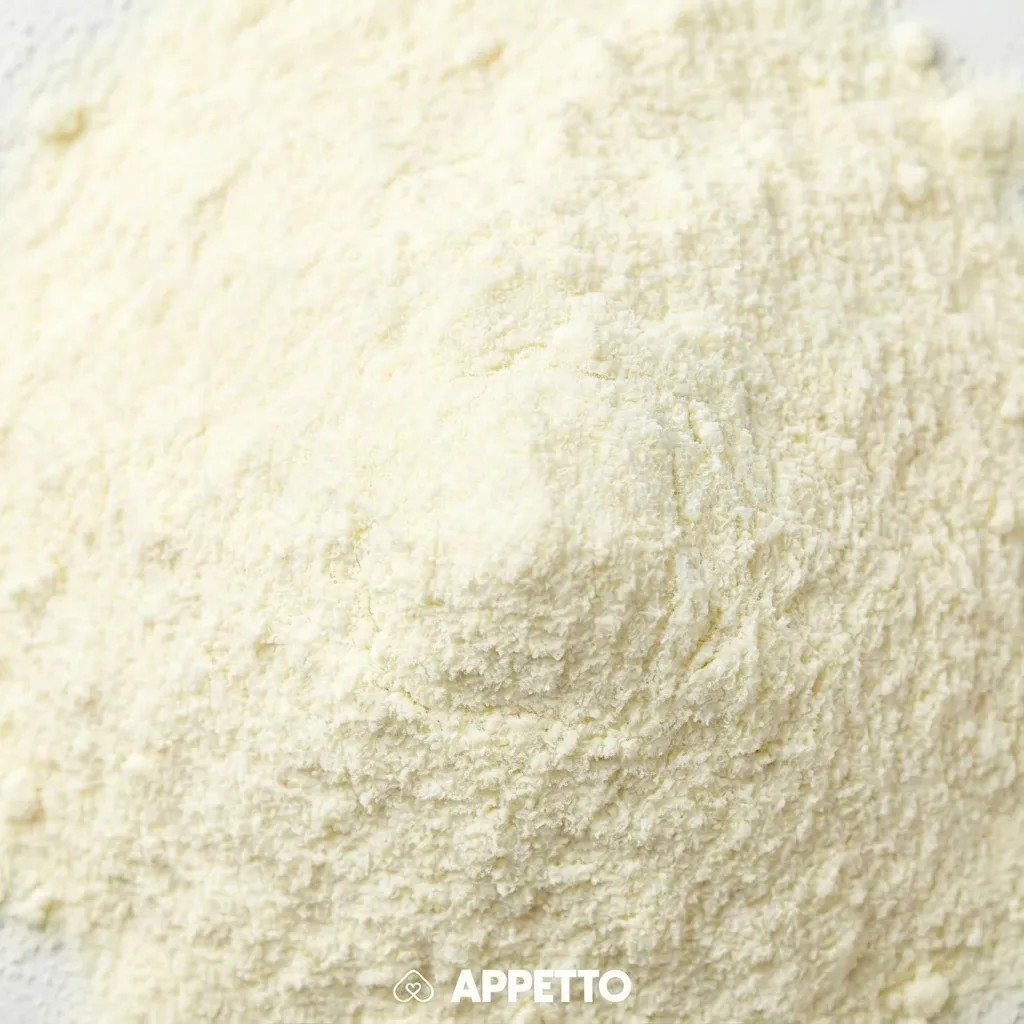
Powdered milk is best avoided for dogs. It is often high in lactose and calorie-dense, which increases the risk of diarrhea, vomiting, and weight gain. Just because a product dissolves in water doesn’t mean it’s a good addition to their bowl. Let’s leave pantry chemistry alone.
Quick verdict
- For dogs: avoid.
- Key takeaway: concentrated lactose and calories can cause vomiting, diarrhea, and digestive discomfort.
Powdered milk for dogs: allowed, limited, or forbidden?
Is milk ok for dogs? When it comes to regular powdered milk, it is not recommended. After weaning, many dogs have trouble digesting lactose. Milk powders intended for human consumption are not formulated for canine needs.
Is powdered milk dangerous or toxic to dogs?
It isn’t strictly toxic, but it can be dangerous in large quantities. Lactose can cause osmotic diarrhea, gas, and vomiting, while excess calories promote weight gain.
What are the potential benefits?
The benefits are minimal and not suitable outside specific veterinary cases.
- Provides proteins and minerals, but often in an unsuitable form.
- Does not replace a complete canine diet.
What are the risks to know?
The concentration of the product increases digestive risks.
- Lactose: diarrhea, vomiting, gas.
- Calories: weight gain if used repeatedly.
- Parts to avoid: dry powder, reconstituted milk, sweetened preparations, or flavored powders.
How much should you give your dog?
No amount is recommended for an adult dog.
- Small dog: avoid completely.
- Medium dog: avoid.
- Large dog: avoid too.
Can my dog eat dry, diluted, or recipe-mixed powdered milk?
No. Whether dry, diluted, or in a recipe, powdered milk often remains too rich in lactose. Sweetened preparations, desserts, or homemade recipes are even less suitable.
How to prepare it correctly?
- Do not prepare regular powdered milk for your dog.
- Only use a veterinary product if recommended by a professional.
- In case of accidental ingestion, monitor for digestive signs.
When should it be avoided?
- Puppies without a specific veterinary formula.
- Senior dogs.
- Dogs with digestive sensitivities, overweight, or lactose intolerant.
- Dogs on medication or a veterinary diet.
My dog ate powdered milk: what should I do?
If your dog licked or swallowed a small amount, monitor them. If the quantity is large or if vomiting, diarrhea, gas, or pain appear, contact your vet.
What signs should be red flags?
Vomiting, diarrhea, gas, abdominal pain, fatigue, excessive thirst, or loss of appetite should alert you.
What are safer alternatives?
- Fresh water.
- A specific veterinary formula if needed.
- A suitable dog treat.
How can APPETTO help?
APPETTO helps you better understand products that seem convenient but may be too concentrated or unsuitable. Thanks to the Pet-Score®, you can compare dog products more clearly. Download APPETTO.
FAQ
Is powdered milk toxic to my dog?
No, but it is high in lactose and can cause digestive issues.
How much powdered milk can I give my dog?
No amount is recommended for an adult dog.
Can my dog drink diluted powdered milk?
No, it remains too high in lactose and unsuitable.
Can a dog eat dry powdered milk?
No, this can irritate digestion and cause gastrointestinal distress.
What signs should I monitor if my dog ate powdered milk?
Watch for diarrhea, vomiting, gas, abdominal pain, and fatigue.
Can a puppy have regular powdered milk?
No, a puppy needs a specific, suitable formula recommended by a vet.
Therefore, powdered milk is best avoided for dogs: it has too much lactose, is too concentrated, and is unsuitable. To better compare products and make informed choices, APPETTO helps you with the Pet-Score®. Download APPETTO.
Credits and disclaimer
Credits: Content created by the APPETTO team based on referenced sources and our internal food classification methodology.
Disclaimer: This information is general and does not replace veterinary advice.