


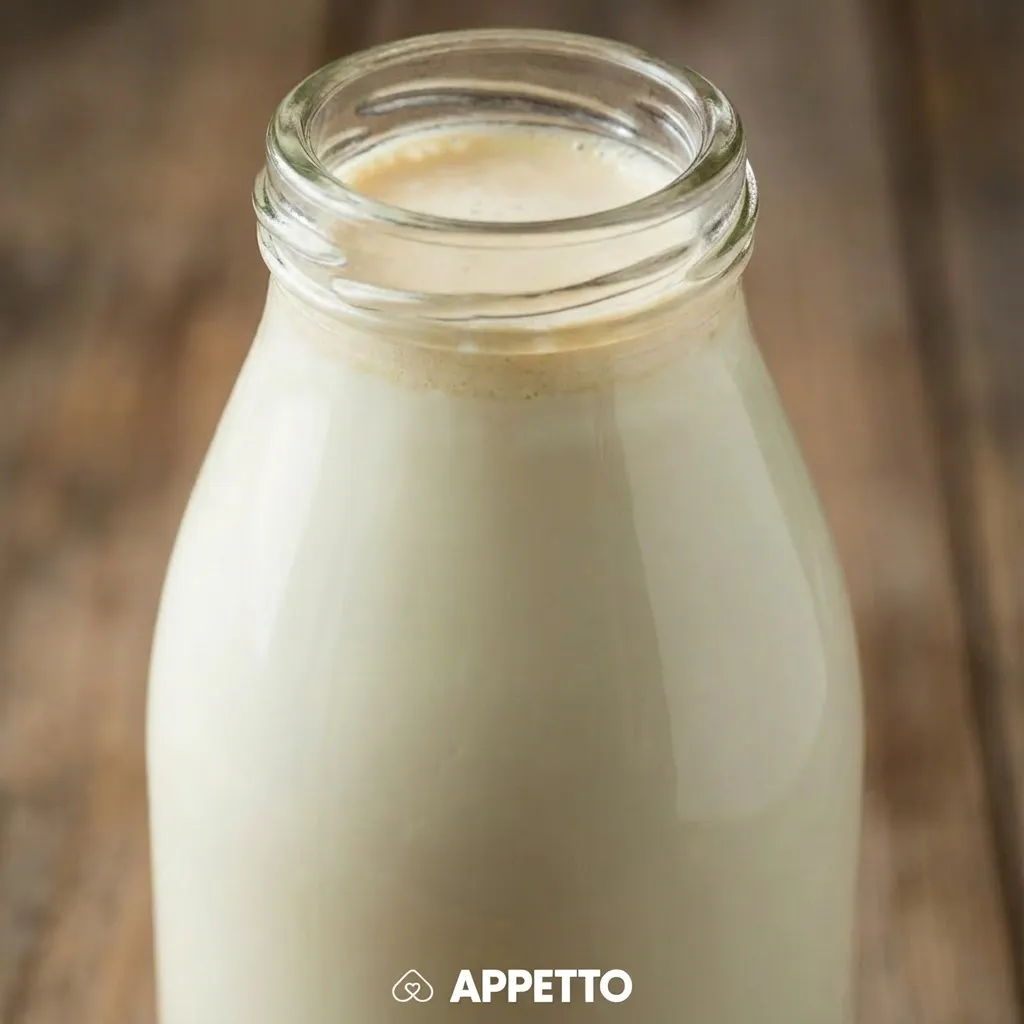
Raw, unpasteurized milk should be avoided for cats. The cliché of the cat happily lapping from a saucer of milk is outdated enough; with raw milk, you also introduce a serious bacterial risk. Salmonella, campylobacter, and other pathogens can quickly cause digestive distress. Sometimes, “natural” is just chaos hiding behind a rustic label.
Quick verdict
- For cats: avoid.
- Key takeaway: raw milk can harbor dangerous bacteria and lead to vomiting, diarrhea, or fever.
Raw milk for cats: allowed, limit, or forbidden?
Raw milk is not recommended for cats. Adult cats often have trouble digesting dairy products, and unpasteurized milk adds an unnecessary microbiological hazard. Even if some felines seem drawn to milk, it is simply not a suitable food for them.
Is raw milk dangerous or toxic for cats?
Raw milk can be dangerous because it can carry pathogenic bacteria. These bacteria can cause vomiting, diarrhea, fever, lethargy, and loss of appetite. Kittens and immunocompromised cats are particularly vulnerable.
What are the possible benefits?
The supposed benefits do not justify the risks involved.
- Provides protein and calcium, but in an unsuitable form for felines.
- No clear advantage over a complete, balanced cat diet.
What are the risks to know?
Raw milk poses both bacterial and digestive risks.
- Bacteria: gastroenteritis, vomiting, diarrhea, fever.
- Lactose: digestive upset in many adult cats.
- Parts to avoid: all raw milk, unpasteurized dairy products, and raw milk cheeses.
How much to give your cat?
No amount of raw milk is recommended.
- Adult cat: avoid entirely.
- Sensitive cat: strictly avoid.
- Kitten: totally avoid.
Can my cat drink raw milk if it’s fermented or in a recipe?
No. Raw milk remains ill-advised, even if the amount seems negligible. Unpasteurized fermented products or homemade recipes do not guarantee sufficient safety for your cat.
How to prepare it properly?
- Do not give raw milk to your cat.
- Avoid all unpasteurized dairy products.
- In case of accidental ingestion, monitor their general condition and stool.
When should it be avoided?
- Kittens.
- Senior cats.
- Immunocompromised, sick, or digestively sensitive cats.
- Cats on specific medication or a veterinary diet.
My cat drank raw milk: what should I do?
Monitor your cat closely. If vomiting, diarrhea, fever, fatigue, or loss of appetite appear, contact your veterinarian immediately. Make sure to specify that it was unpasteurized milk.
What signs should alert you?
Vomiting, diarrhea, fever, lethargy, abdominal pain, loss of appetite, or signs of dehydration should raise an immediate alarm.
What are safer alternatives?
- Fresh, clean water.
- A specific cat milk, if truly necessary and well-tolerated.
- A complete wet food diet to support their hydration needs.
How can APPETTO help you?
APPETTO helps you spot foods that might seem natural but are actually unsuitable for cats. Thanks to the Pet-Score®, you can easily compare products and make more informed choices. Download APPETTO.
FAQ
Is raw milk toxic to my cat?
It can be dangerous due to bacteria and lactose, even if it is not technically toxic in a chemical sense.
How much raw milk can I give my cat?
None at all. Raw milk should be avoided.
Can my cat drink raw milk straight from a farm?
No, it can still contain harmful pathogens.
Is pasteurized milk safer than raw milk for cats?
Yes, but pasteurized milk should still be heavily limited due to its lactose content.
What signs should I look for if my cat drank raw milk?
Watch out for vomiting, diarrhea, fever, lethargy, and a drop in appetite.
Can a kitten drink raw milk?
No, kittens are even more vulnerable to infections and severe digestive upset.
In conclusion, raw milk should be avoided for cats: the bacterial risk, lactose content, and overall poor tolerance make it a bad choice. To better compare suitable products for your pet, APPETTO helps you with its Pet-Score®. Download APPETTO.
Credits and disclaimer
Credits: Content developed by the APPETTO team based on referenced sources and our internal food classification methodology.
Disclaimer: This information is general in nature and does not replace the advice of a qualified veterinarian.