


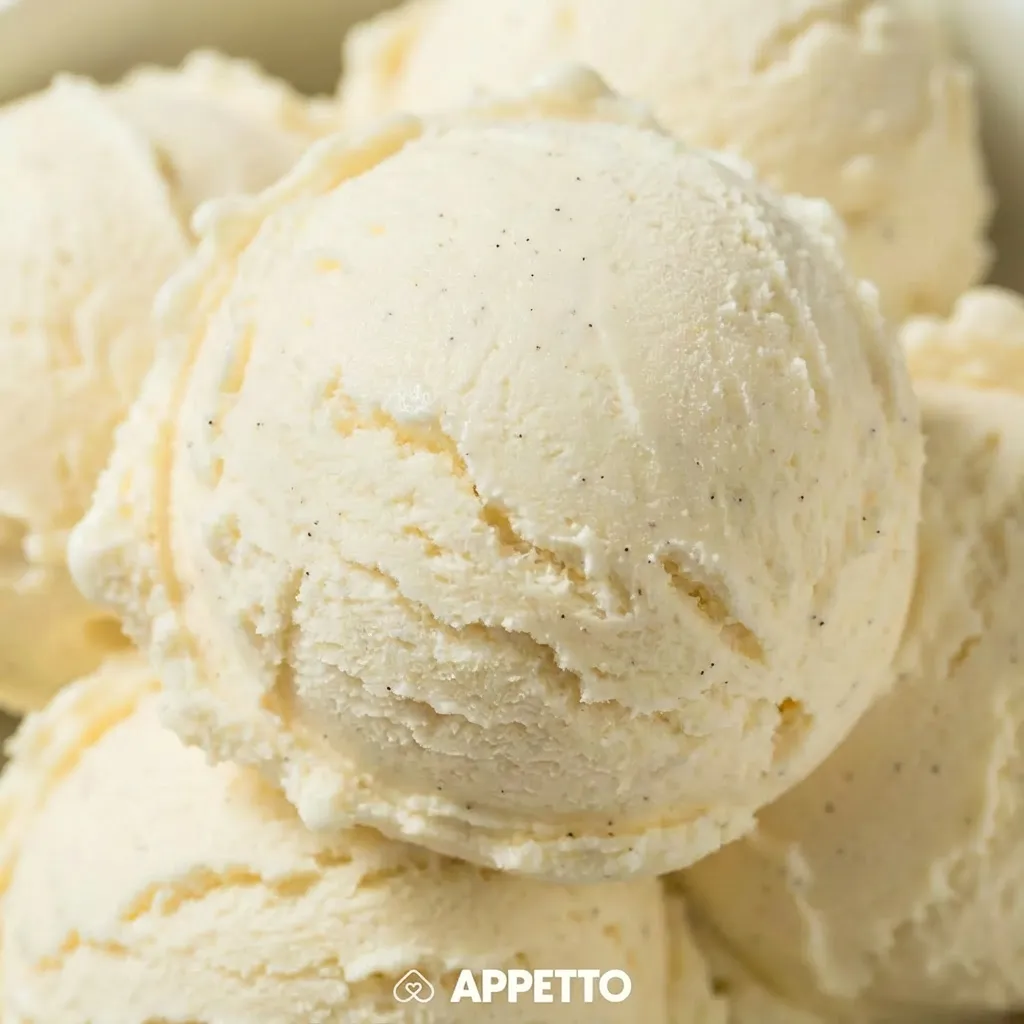
Ice cream should be avoided for cats. Information may vary depending on recipes, but the principle is simple: it is a processed dairy product, often sweetened, fatty, and poorly suited for a strict carnivore. An accidental tiny lick can be monitored, but it is not a feline treat. Even if your cat stares at the spoon as if they legally own it.
Quick Verdict
- For cats: differing opinions, but best avoided as a precaution.
- Keep in mind: lactose, sugar, fats, and flavorings can cause vomiting or diarrhea.
Ice cream for cats: allowed, limited, or forbidden?
Ice cream is not recommended for cats. Many adult cats digest dairy products poorly, and frozen desserts often add sugar, fats, and processed ingredients. There are zero benefits and real digestive risks.
Is ice cream dangerous or toxic to cats?
It is not necessarily toxic if it is plain and just a tiny trace is swallowed, but it can become dangerous depending on the ingredients. Ice creams containing chocolate, coffee, alcohol, raisins, or sweeteners must be strictly avoided. Even plain ice cream can cause vomiting, diarrhea, or discomfort.
What are the possible benefits?
There are no interesting nutritional benefits to giving ice cream to a cat.
- The coolness might be appealing, but it is not a dietary need.
- No real value in a complete feline diet.
What are the risks to know?
The risk depends on the recipe, but caution remains the rule.
- Lactose: vomiting, diarrhea, gas, or abdominal pain.
- Sugar and fats: weight gain and digestive overload.
- Parts to avoid: chocolate, coffee, alcohol, sweeteners, toppings, syrups, flavored ice creams.
How much can you give your cat?
No amount is recommended. It is best not to give any ice cream to a cat.
- Adult cat: avoid.
- Sensitive cat: strictly avoid.
- Kitten: entirely avoid.
Can my cat eat plain, vanilla, or flavored ice cream?
Even plain or vanilla, ice cream remains unadvisable due to the lactose, sugar, and fats. Flavored versions are riskier, especially if they contain chocolate, coffee, salted caramel, alcohol, or sweeteners.
How to prepare it correctly?
- Do not prepare ice cream for your cat.
- Avoid leaving tubs, cones, and frozen desserts within their reach.
- In case of ingestion, check the flavor and ingredients.
When should it be avoided?
- Kittens.
- Senior cats.
- Cats with digestive sensitivities, obese, diabetic, or sedentary cats.
- Cats on medication, with kidney failure, or on a veterinary diet.
My cat ate ice cream: what should I do?
If your cat licked a trace of plain ice cream, monitor them. If the quantity is significant, if the ice cream contained chocolate, coffee, alcohol, or sweeteners, or if symptoms appear, contact your vet.
What signs should you look out for?
Vomiting, diarrhea, abdominal pain, lethargy, tremors, loss of appetite, hypersalivation, or unusual behavior should raise an alert.
What are safer alternatives?
- A suitable feline treat.
- A little chilled complete wet food, if your cat enjoys it.
- Simply a bowl of fresh water.
How can APPETTO help you?
APPETTO helps you sort through human treats and food truly suitable for cats. Thanks to the Pet-Score®, you can compare products and make more informed choices. Download APPETTO.
FAQ
Is ice cream toxic to my cat?
It can be risky depending on the recipe. Even plain, it can cause digestive upset.
How much ice cream can I give my cat?
No amount is recommended. It is better to avoid it.
Can my cat eat vanilla ice cream?
No, it is still not recommended because of the lactose, sugar, and fats.
Can my cat eat chocolate ice cream?
No. Chocolate is dangerous for cats and requires veterinary advice if ingested.
What signs to watch for if my cat ate ice cream?
Watch for vomiting, diarrhea, lethargy, tremors, loss of appetite, and unusual behavior.
Can a kitten eat ice cream?
No, a kitten must avoid processed dairy products and stick to an adapted diet.
Ice cream should therefore be avoided for cats: too processed, too sweet, and often poorly digested. To better compare suitable foods and products, APPETTO helps you with the Pet-Score®. Download APPETTO.
Credits and Disclaimer
Credits: Content developed by the APPETTO team based on referenced sources and our internal food classification methodology.
Disclaimer: This information is general and does not replace veterinary advice.