


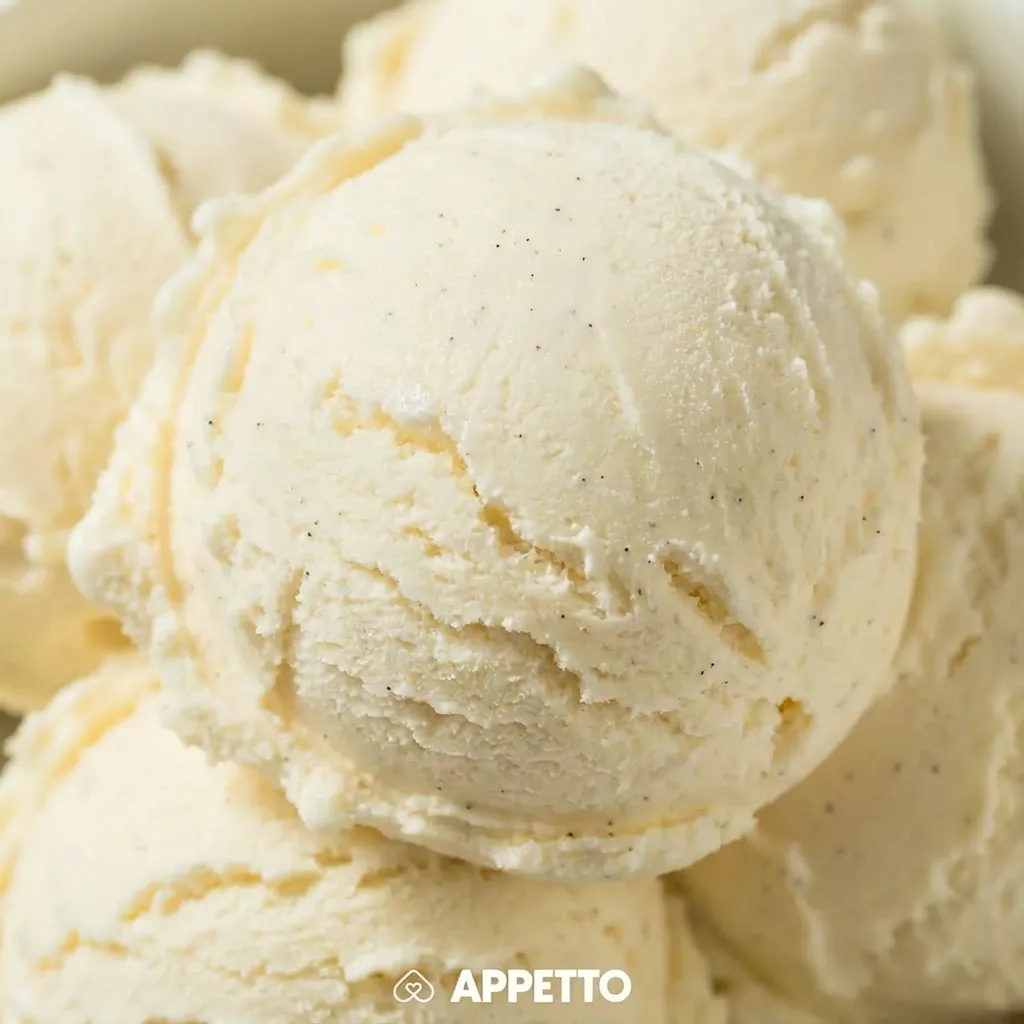
Ice cream is best avoided for dogs. While the ingredients can vary significantly depending on the recipe, the general rule is simple: it’s a processed dairy product, often sweet, fatty, sometimes flavored, and rarely suitable for canine digestion. A small accidental lick doesn’t necessarily mean an emergency, but giving it intentionally offers little benefit. Your dog doesn’t need a frozen dessert to live their best life.
Quick Verdict
- For the dog: differing opinions, but best avoided as a precaution.
- To remember: sugar, lactose, fats, and flavorings can cause vomiting or diarrhea.
Ice cream for dogs: allowed, to be limited, or forbidden?
Ice cream is not a recommended food for dogs. Even if some recipes seem simple, it remains a processed product, often high in sugar and fat. The exact data varies depending on the composition, so caution is the best approach.
Is ice cream dangerous or toxic for dogs?
Ice cream isn’t necessarily toxic if it’s plain and consumed in a very small amount, but it can become dangerous depending on the ingredients. Ice creams with chocolate, coffee, raisins, alcohol, macadamia nuts, or artificial sweeteners are much more concerning. Even a plain version can cause diarrhea or vomiting in a sensitive dog.
What are the possible benefits?
The benefits are almost non-existent. Ice cream is primarily a human treat.
- Provides a cooling sensation, but there are more suitable alternatives.
- No real nutritional value for a balanced canine diet.
What are the risks to know?
The risk mainly depends on the recipe and the amount ingested.
- Lactose and fats: vomiting, diarrhea, gas, or digestive discomfort.
- Sugar: caloric overload and weight gain if given repeatedly.
- Parts to avoid: flavored ice creams, chocolate, coffee, raisins, alcohol, sweeteners, sauces, or toppings.
How much should you give your dog?
No amount is recommended. It is better not to give ice cream intentionally.
- Small dog: avoid completely.
- Medium dog: avoid; monitor in case of an accidental lick.
- Large dog: avoid as well, especially if a large amount is swallowed.
Can my dog eat plain, vanilla, or flavored ice cream?
Plain or vanilla ice cream is still not recommended because of the sugar, lactose, and fats. Flavored ice creams are even riskier, as they may contain chocolate, coffee, dried fruits, alcohol, sweeteners, or additives. So-called “sugar-free” ice cream is not automatically safe.
How to prepare it correctly?
- Do not prepare ice cream for your dog.
- Avoid giving them the end of the tub or the cones.
- In case of accidental ingestion, check the flavor and the list of ingredients.
When should it be avoided?
- Puppies.
- Senior dogs.
- Dogs with digestive sensitivities, overweight, diabetic, or predisposed to pancreatitis.
- Dogs on medication or a veterinary diet.
My dog ate ice cream: what should I do?
If your dog licked a little bit of plain ice cream, keep an eye on them. If the amount is large, or if the ice cream contained chocolate, coffee, raisins, alcohol, or artificial sweeteners, contact your vet immediately.
What signs should you look out for?
Vomiting, diarrhea, gas, abdominal pain, fatigue, restlessness, tremors, or loss of appetite should alert you. The signs are more concerning if the ice cream contained a toxic ingredient.
What are safer alternatives?
- A simple ice cube to lick under supervision.
- A frozen treat specially formulated for dogs.
- A bit of suitable wet food, frozen in a small portion.
How can APPETTO help you?
When a processed food raises questions, APPETTO helps you better understand the risks, limits, and possible alternatives. Thanks to the Pet-Score®, you can compare dog products more clearly. Download APPETTO.
FAQ
Is ice cream toxic to my dog?
It’s not always toxic, but it can be risky depending on the ingredients and cause digestive issues.
How much ice cream can I give my dog?
No amount is recommended. It is better to avoid it.
Can my dog eat vanilla ice cream?
Even vanilla flavor is not recommended due to sugar, lactose, and fats.
Can my dog eat chocolate ice cream?
No. Chocolate is toxic to dogs and requires a vet’s advice if ingested.
What signs should I watch for if my dog ate ice cream?
Watch out for vomiting, diarrhea, abdominal pain, fatigue, and tremors.
Can a puppy eat ice cream?
No, it is better to avoid it. Puppies are more sensitive to dairy products and sugar.
Ice cream should therefore be avoided for dogs: too processed, often sweet, and uncertain depending on the recipes. To better compare suitable foods and products, APPETTO helps you with the Pet-Score®. Download APPETTO.
Credits and disclaimer
Credits: Content created by the APPETTO team based on referenced sources and the internal food classification methodology.
Disclaimer: This information is general and does not replace veterinary advice.