


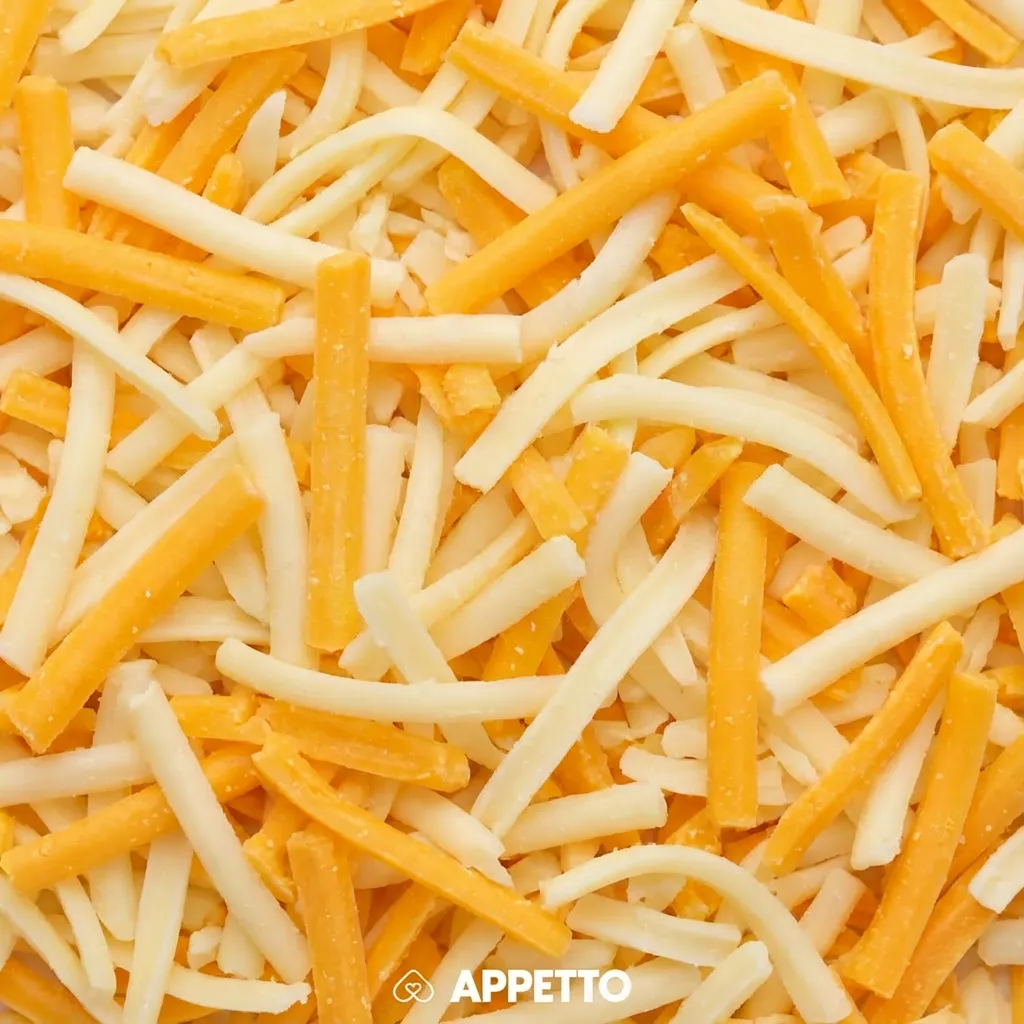
Grated cheese can be given to dogs in moderation, but only if it is a classic hard cheese, and in tiny amounts. A pinch can sometimes help with training or make a meal more appetizing, but grated cheese remains salty and fatty. And no, “a little mountain on the kibble” is not a recognized nutritional unit.
Quick verdict
- For dogs: allowed in moderation.
- Key takeaway: a small pinch, rarely, only with non-blue hard cheeses.
Grated cheese for dogs: allowed, limited, or forbidden?
When wondering can dogs have cheese, grated cheese can be tolerated by some dogs in very small amounts. It must remain occasional, as it provides salt, fats, and calories. You also need to check the type of cheese: grated Emmental or if can dogs eat parmesan cheese is on your mind, the risk level isn’t the same as with blue cheese, which must be strictly avoided.
Is grated cheese dangerous or toxic for dogs?
Classic grated cheese is not toxic in a small pinch, but it can cause digestive upset if your dog is sensitive or if the amount is repeated. Grated blue cheeses, however, are to be avoided due to the risks associated with mold.
What are the possible benefits?
Grated cheese mainly has an appeal for palatability.
- Can occasionally help with training or appetite.
- Provides trace amounts of calcium, but not enough to justify regular use.
What risks should you know about?
The risk depends on the cheese used and the quantity.
- Salt: thirst, unnecessary strain, and weight gain with frequent use.
- Fats: diarrhea, gas, or caloric overload.
- Parts to avoid: grated blue cheeses, highly salted mixes, preparations with garlic, onion, or spices.
How much to give your dog?
Cheese for dogs should remain a small, exceptional treat.
- Small dog: a mini-pinch.
- Medium dog: an occasional small pinch.
- Large dog: a pinch maximum, without daily repetition.
Can my dog eat grated cheese raw, melted, or in a dish?
A pinch of plain grated cheese is the least problematic form. Melted in a gratin, pizza, sauce, or quiche, it is often associated with salt, oil, butter, garlic, onion, or cured meats. Such dishes should be avoided.
How to prepare it properly?
- Choose a simple, hard grated cheese without flavored mixes.
- Completely avoid grated blue cheeses.
- Give a very rare pinch and monitor digestion.
When should it be avoided?
- Puppies.
- Senior dogs.
- Overweight dogs, those sensitive to salt, prone to diarrhea, or pancreatitis.
- Dogs on medication, with kidney or heart disease, or on a veterinary diet.
My dog ate grated cheese: what should I do?
If your dog ate a small pinch of grated Emmental, mozzarella, or parmesan, just monitor them. If they ate a large amount, a grated blue cheese, or a rich cheesy dish, contact your vet.
What signs should alert you?
Diarrhea, gas, vomiting, unusual thirst, fatigue, abdominal pain, or tremors should alert you, especially if the cheese was blue or very salty.
What are safer alternatives?
- A suitable canine treat.
- A small piece of plain cooked chicken.
- A touch of complete wet food suitable for dogs.
How can APPETTO help you?
APPETTO helps you distinguish foods to limit from those to truly avoid, and compare dog products using the Pet-Score®. A simple guide when the food bowl becomes a negotiation ground. Download APPETTO.
FAQ
Is grated cheese toxic to my dog?
Classic grated cheese is not toxic in small amounts, but grated blue cheeses should be avoided.
How much grated cheese can I give my dog?
A small pinch is enough, and only rarely.
Can my dog eat grated Emmental?
Yes, in a very small, occasional pinch, if your dog tolerates it well.
Can my dog eat grated blue cheese?
No, blue cheeses should be avoided for dogs.
What signs to watch for if my dog ate grated cheese?
Watch for diarrhea, gas, vomiting, unusual thirst, and abdominal pain.
Can a puppy eat grated cheese?
It’s best to avoid it, as puppies are sensitive to salty and fatty foods.
Grated cheese can be tolerated in tiny pinches for some dogs, but should be limited. To better compare foods and understand the right choices for your dog, APPETTO helps you with the Pet-Score®. Download APPETTO.
Credits and disclaimer
Credits: Content developed by the APPETTO team based on referenced sources and internal food classification methodology.
Disclaimer: This information is general and does not replace veterinary advice.