


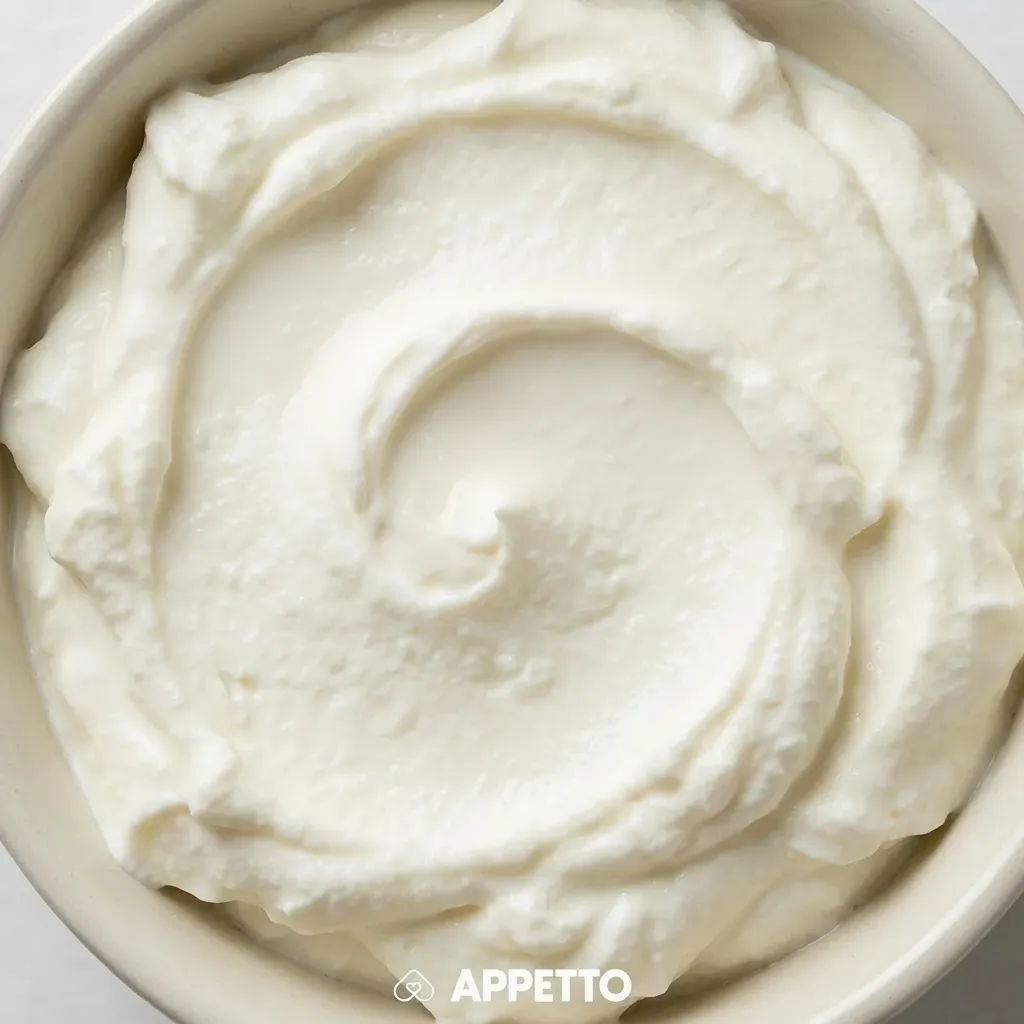
Cottage cheese should be avoided for cats. Even though it might seem mild, light, and “harmless,” it remains a dairy product containing lactose, which is often poorly digested by adult cats. A cat doesn’t need cottage cheese to be well-fed. They need an appropriate diet, not a dairy dessert disguised as a good idea.
Quick verdict
- For cats: to be avoided.
- Key takeaway: lactose can cause vomiting, diarrhea, and digestive discomfort in cats.
Cottage cheese for cats: allowed, to be limited, or forbidden?
Cottage cheese is not recommended for cats. Adult cats often have trouble digesting dairy products, and cottage cheese can cause digestive issues even when plain. Sweetened or flavored versions are even worse.
Is cottage cheese dangerous or toxic for cats?
Cottage cheese is not strictly toxic like a poison, but it can be dangerous for digestion. The lack of lactase in many adult cats prevents proper digestion of lactose, which can lead to diarrhea, vomiting, or abdominal pain.
What are the possible benefits?
The benefits are very low. The cat is a strict carnivore and does not need dairy products in its diet.
- May provide a bit of protein, but in an unnecessary form.
- Low nutritional value if the cat’s diet is already complete.
What are the risks to know?
The main risk is digestive, but the caloric intake can also matter.
- Lactose: vomiting, diarrhea, gas, or abdominal discomfort.
- Calories: weight gain if given repeatedly.
- Parts to avoid: sweetened, flavored, or fruit cottage cheese, or ones with honey, chocolate, or sweeteners.
How much to give to your cat?
No amount of cottage cheese is recommended for a cat.
- Adult cat: avoid.
- Sensitive cat: strictly avoid.
- Kitten: totally avoid, unless it’s a specific product indicated by a vet.
Can my cat eat plain, sweetened, or processed cottage cheese?
Plain cottage cheese is already discouraged. Sweetened, fruit-flavored, or dessert versions are to be avoided even more. They can add sugar, additives, chocolate, or sweeteners.
How to prepare it properly?
- Do not prepare cottage cheese for your cat.
- Store dairy desserts out of reach.
- If your cat eats some, monitor their stool, appetite, and behavior.
When should it be avoided?
- Kittens.
- Senior cats.
- Sedentary, overweight, digestively sensitive, or diabetic cats.
- Cats on medication, with kidney failure, or on a veterinary diet.
My cat ate cottage cheese: what should I do?
If your cat ate a small amount of plain cottage cheese, monitor them. If the quantity is large, if the product was sweetened or flavored, or if symptoms appear, contact your vet.
What signs should alert you?
Vomiting, diarrhea, gas, fatigue, loss of appetite, abdominal pain, or a change in behavior should alert you.
What are safer alternatives?
- An appropriate feline treat.
- A small piece of plain cooked turkey or chicken.
- A complete wet food adapted to their age and lifestyle.
How can APPETTO help you?
APPETTO helps you spot everyday foods that aren’t really suitable for cats, even if they seem mild or natural. With the Pet-Score®, you can compare products and make clearer choices for their bowl. Download APPETTO.
FAQ
Is cottage cheese toxic for my cat?
No, not in the strict sense, but it can cause vomiting and diarrhea due to lactose.
How much cottage cheese can I give my cat?
No amount is recommended. It is best to avoid it.
Can my cat eat plain cottage cheese?
No, even plain, it is still not recommended because it contains lactose.
Can my cat eat sweetened cottage cheese?
No, sweetened or flavored versions are even less suitable.
What signs should I monitor if my cat ate cottage cheese?
Monitor for vomiting, diarrhea, gas, fatigue, and loss of appetite.
Can a kitten eat cottage cheese?
No, a kitten must stick to a diet adapted to its growth.
Cottage cheese should therefore be avoided for cats: lactose, low nutritional value, and possible digestive issues. To better compare suitable foods and products, APPETTO helps you with the Pet-Score®. Download APPETTO.
Credits and disclaimer
Credits: Content created by the APPETTO team based on referenced sources and our internal food classification methodology.
Disclaimer: This information is general and does not replace veterinary advice.