


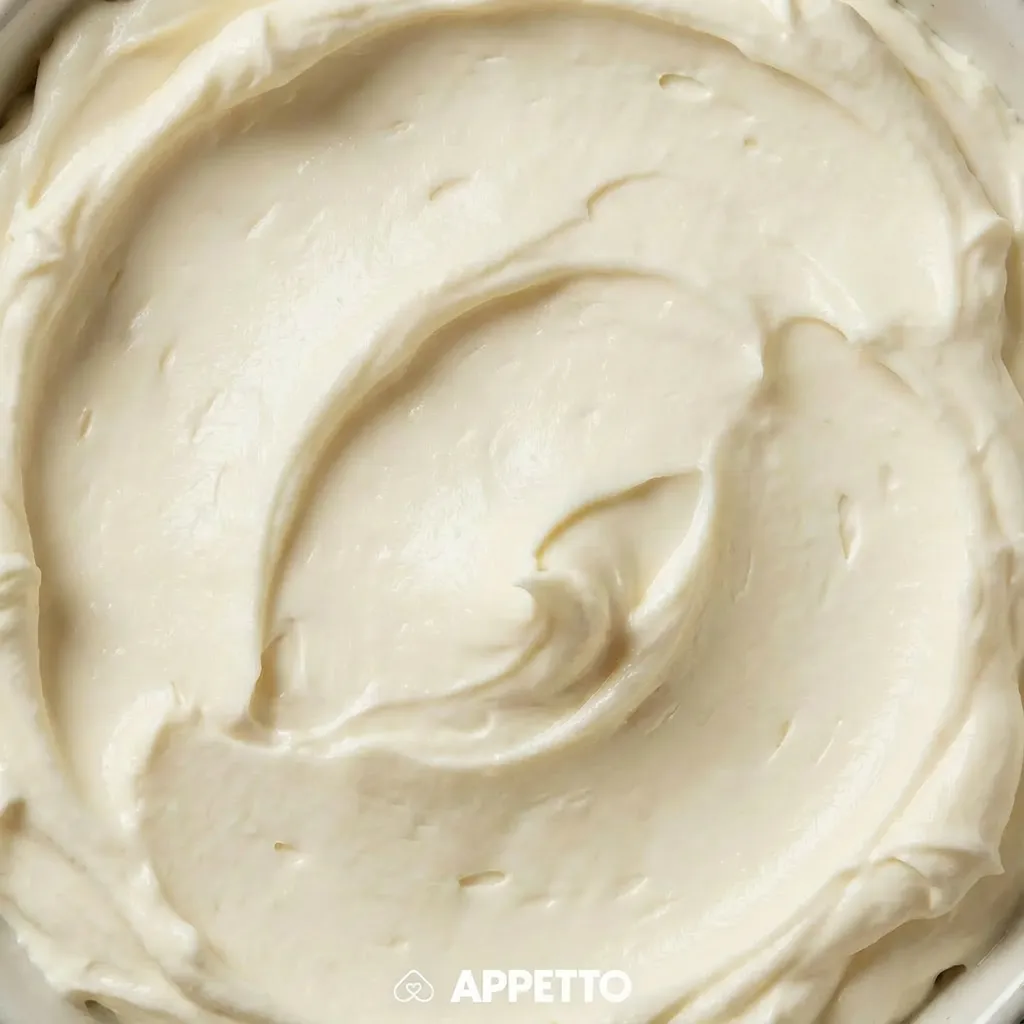
Plain spreadable cheese or cream cheese can be given to dogs in moderation, but only in micro-portions. Its main benefit is practical: it can help hide a pill. On the nutrition side, however, cheese for dogs is not an absolute must. It often contains lactose, fats, and sometimes salt. In short, it’s useful in a pinch, but not a tub to finish just “because they gave you the puppy dog eyes”.
Quick verdict
- For dogs: allowed in moderation.
- Keep in mind: only plain, in a micro-portion, never flavored, and never given every day.
Plain spreadable cheese for dogs: allowed, limited, or forbidden?
Plain spreadable cheese can be used occasionally, for example to make taking medication easier, but it shouldn’t become a regular treat. Because it is fresh and unaged, it can contain more lactose than hard cheeses. If you’re wondering, “can dogs have cheese?”, the answer is yes, but the type and amount matter greatly.
Is plain spreadable cheese dangerous or toxic to dogs?
It is not toxic in micro-quantities if it is truly plain, but it can cause diarrhea, gas, or discomfort in lactose-intolerant dogs. Fatty or salty versions can also add unnecessary calories to their diet.
What are the potential benefits?
Its benefits are mostly practical, not really nutritional.
- Highly palatable, it can help hide a pill.
- Easy-to-use texture in very small amounts.
What are the risks to know?
Spreadable cheese quickly becomes problematic if the portion increases or if the version isn’t strictly plain.
- Lactose: diarrhea, gas, or loose stools in sensitive dogs.
- Fats: calorie overload and risk of weight gain.
- Parts to avoid: flavored versions, garlic and herbs, onion, pepper, high salt, or appetizer recipes.
How much should you give your dog?
If you use it, stick to a micro-portion.
- Small dog: the tip of a spoon, only if necessary.
- Medium dog: a small dab occasionally.
- Large dog: one dab maximum, occasionally.
Can my dog eat plain, flavored, or cooked spreadable cheese?
Plain spreadable cheese is the only potentially acceptable form in micro-quantities. Flavored versions should be avoided, especially those with garlic, onion, herbs, spices, or high salt. When cooked in a recipe, it is often mixed with other overly fatty or salty ingredients.
How to prepare it properly?
- Choose a plain version, without garlic, onion, herbs, or flavors.
- Use a tiny amount, primarily to hide a pill.
- Monitor their stool and gas after ingestion.
When should it be avoided?
- Puppies.
- Senior dogs.
- Overweight dogs, those intolerant to lactose, or prone to pancreatitis.
- Dogs under treatment, with digestive or kidney disease, or on a veterinary diet.
My dog ate plain spreadable cheese: what should I do?
If your dog ate a plain micro-portion, just monitor them. If the amount is large or if the product was flavored with garlic, onion, or spices, contact your vet for appropriate advice.
What signs should alert you?
Diarrhea, gas, vomiting, abdominal pain, lethargy, or loss of appetite should be warning signs. The signs are more concerning if the cheese contained flavored ingredients.
What are safer alternatives?
- A veterinary paste designed for giving pills.
- An appropriate dog treat.
- A small piece of plain cooked lean meat, or even a tiny amount of dog-safe fresh cheese (many owners ask “can dogs eat cottage cheese?”—plain, low-fat cottage cheese is often a safer, lower-lactose alternative).
How APPETTO can help you?
APPETTO helps you understand which foods are allowed only with caution and compare dog products using the Pet-Score®. This way, you can make better choices for their bowl, without falling into the traps of “natural” marketing. Download APPETTO.
FAQ
Is plain spreadable cheese toxic to my dog?
No, not in a plain micro-quantity, but it can cause diarrhea or gas in a sensitive dog.
How much spreadable cheese can I give my dog?
A tip of a spoon or a small dab maximum, and only occasionally.
Can my dog eat garlic and herb spreadable cheese?
No, flavored versions must be avoided, especially those with garlic or onion.
Can my dog eat spreadable cheese every day?
No, it is not recommended due to the lactose, salt, and fats.
What signs should I watch for if my dog ate spreadable cheese?
Watch for diarrhea, gas, vomiting, abdominal pain, and lethargy.
Can a puppy eat plain spreadable cheese?
It is better to avoid it unless specifically advised by a vet, as puppies do not digest dietary changes well.
Plain spreadable cheese can help out in micro-portions, but it must remain very occasional. To better compare products and understand the limits of each food, APPETTO helps you with the Pet-Score®. Download APPETTO.
Credits and warning
Credits: Content developed by the APPETTO team based on referenced sources and our internal food classification methodology.
Warning: This information is general and does not replace veterinary advice.