


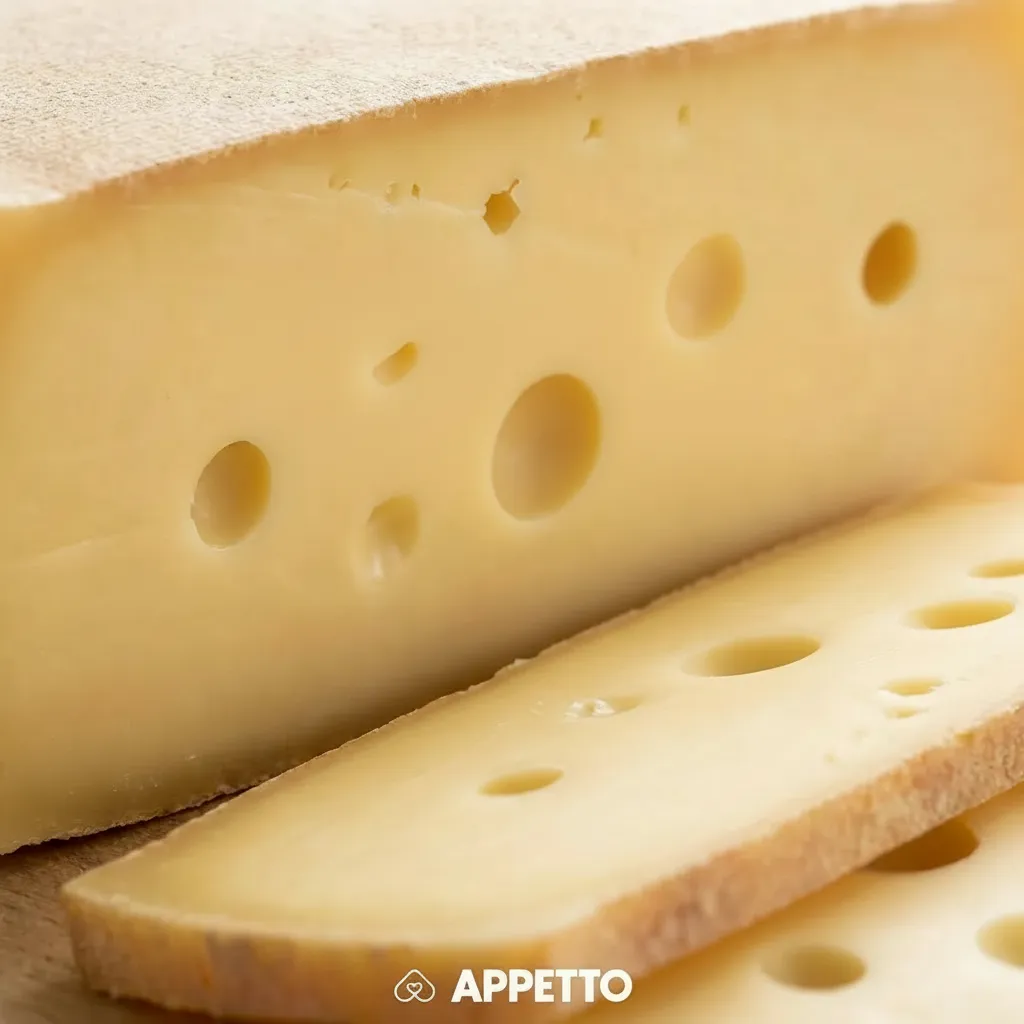
Beaufort cheese can be given to a dog, but only in very small quantities and occasionally. This aged cheese contains less lactose than some fresh dairy products, but it is still fatty, salty, and high in calories. Simply put: a tiny crumb is fine, but sharing a whole cheese platter is definitely a bad idea.
Quick verdict
- For dogs: allowed in moderation.
- Key takeaway: only give a tiny piece, without any questionable rind, and avoid it entirely for dogs sensitive to fat.
Beaufort for dogs: allowed, limited, or forbidden?
Beaufort is not forbidden for dogs, but it should remain an exception. Its aging process reduces some of the lactose, which can make it better tolerated than milk or buttermilk. However, this doesn’t make it an ideal food: its salt, fat, and calories require strict moderation.
Is Beaufort dangerous or toxic for dogs?
Beaufort is not toxic in small amounts for a healthy dog. The danger mainly comes from excess: fats can trigger pancreatitis in predisposed dogs, salt can increase thirst or cause dehydration if abused, and it can be hard to digest for dogs sensitive to dairy products.
What are the possible benefits?
Beaufort can provide a few nutrients, but it shouldn’t be given a role it doesn’t have. It is not a daily source of calcium to be used to balance their diet.
- Occasional source of protein.
- Contains calcium, but in a food that is too fatty and salty for regular use.
What are the risks to know?
Beaufort should be a rare treat, especially for dogs with sensitive digestive systems.
- Fats: diarrhea, vomiting, or risk of pancreatitis in case of excess.
- Salt: unusual thirst, discomfort, or dehydration if a large amount is eaten.
- Parts to avoid: rind with visible mold, dried out, overly salty, or suspicious pieces.
How much should you give your dog?
If your dog tolerates it, Beaufort should remain an exceptional treat, not a routine ingredient. Give a tiny piece, then monitor their digestion.
- Small dog: a shaving or a very small cube, rarely.
- Medium dog: an occasional small cube.
- Large dog: one to two small cubes maximum, only from time to time.
Can my dog eat raw, melted, or processed Beaufort?
Plain Beaufort, pasteurized if possible, is the least problematic form. Avoid Beaufort melted into rich, salty dishes, or with garlic, onion, deli meats, or sauces. Recipes like gratins, fondues, or cheese crusts are too fatty and often too salty for dogs.
How to prepare it correctly?
- Choose a plain piece, without visible moldy rind.
- Cut a tiny amount suited to the dog’s size.
- Give it plain, never in a salty or spicy dish.
When should it be avoided?
- Puppies, as fatty deviations can upset their digestion.
- Older or fragile dogs.
- Overweight dogs, those prone to pancreatitis, digestive issues, or on a low-fat diet.
- Dogs on medication, with kidney or heart disease, or on a veterinary diet.
My dog ate Beaufort: what should I do?
If your dog ate a small piece, simply monitor their digestion. If they ate a large amount, especially if they are small or predisposed to pancreatitis, call your vet. Pay special attention to vomiting, abdominal pain, or severe diarrhea.
What signs should alert you?
Watch for vomiting, diarrhea, painful belly, lethargy, loss of appetite, excessive thirst, or restlessness. Abdominal pain after eating a fatty food must be taken seriously.
What are safer alternatives?
- A low-fat dog treat.
- A small piece of plain cooked chicken.
- Dog-safe vegetables like cooked zucchini or carrots in small amounts.
How can APPETTO help you?
Between “allowed but not too much” foods and those to strictly avoid, APPETTO helps you keep clear guidelines. You can compare products for your dog using the Pet-Score® and better understand what deserves a spot in their bowl. Download APPETTO.
FAQ
Is Beaufort toxic to my dog?
No, not in small quantities, but it may be poorly tolerated due to salt, fat, and residual lactose.
How much Beaufort can I give my dog?
A very small piece is enough, and only occasionally. For a small dog, a shaving is already plenty.
Can my dog eat Beaufort rind?
It’s better to avoid it, especially if the rind has visible mold or looks suspicious.
Can my dog eat melted Beaufort?
It is not recommended, as it is often part of dishes that are too fatty, too salty, or contain dangerous ingredients.
What signs to watch for if my dog ate too much Beaufort?
Monitor for vomiting, diarrhea, abdominal pain, excessive thirst, and lethargy.
Can a puppy eat Beaufort?
It is best avoided. A puppy’s digestive system is more sensitive, and fatty treats are not suitable.
Beaufort is therefore not completely forbidden for dogs, but it must remain a very occasional micro-treat. To better compare foods and avoid bad ideas masquerading as good ones, APPETTO provides a simple benchmark with the Pet-Score®. Download APPETTO.
Credits and disclaimer
Credits: Content created by the APPETTO team based on referenced sources and our internal food classification methodology.
Disclaimer: This information is general and does not replace veterinary advice.