


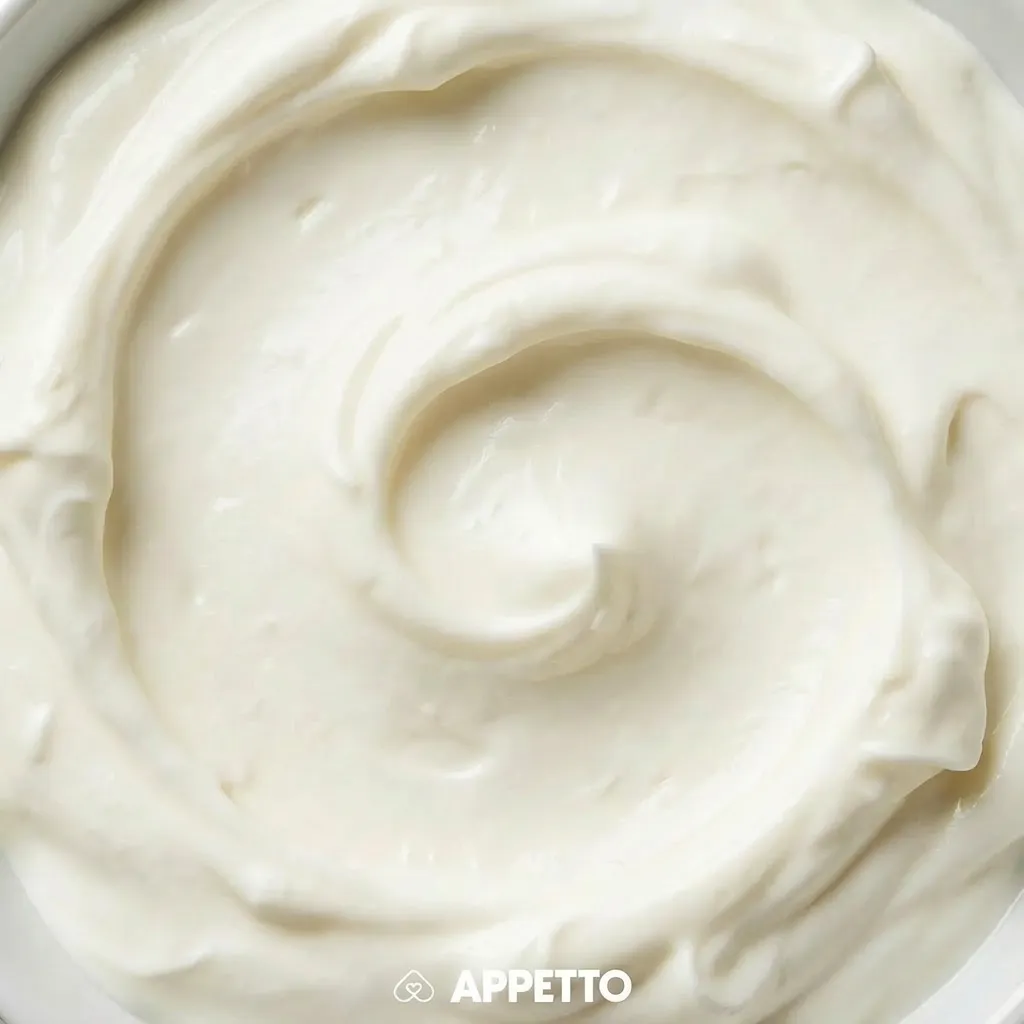
Heavy cream (or thick crème fraîche) should be avoided for dogs. It is high in fat, contains lactose, and can quickly cause digestive issues. A tiny lick from a dropped plate doesn’t necessarily mean full-blown panic, but intentionally adding it to their bowl is a clear no. Dogs don’t need sauce to validate their meal; they already have a solid ego.
Quick verdict
- For dogs: avoid.
- Key takeaway: the high fat content can promote vomiting, diarrhea, and pancreatitis in sensitive dogs.
Heavy cream for dogs: allowed, limit, or forbidden?
Heavy cream is not recommended for dogs. It is too fatty to be used as a food topper, and its lactose can be poorly digested. For an overweight dog or one predisposed to pancreatitis, it must be strictly avoided.
Is heavy cream dangerous or toxic for dogs?
It is not strictly toxic in trace amounts, but it can be dangerous in excess. Saturated fats can cause pancreatic overload, while lactose can lead to diarrhea, gas, or vomiting.
What are the possible benefits?
The benefits are very low. Heavy cream primarily provides calories and fats.
- Appetizing taste, but no suitable nutritional value.
- Energy intake, but too concentrated to be useful.
What are the risks to know?
The main risk is digestive and lipid overload.
- Fats: vomiting, diarrhea, abdominal pain, or pancreatitis.
- Lactose: digestive issues in sensitive dogs.
- Parts to avoid: plain cream, sauces, savory dishes, desserts, preparations with garlic, onion, or spices.
How much to give your dog?
No amount is recommended. Heavy cream should be avoided.
- Small dog: avoid completely.
- Medium dog: avoid; monitor any notable ingestion.
- Large dog: avoid as well, especially if the quantity is significant.
Can my dog eat raw, cooked, or sauce-based heavy cream?
No. Whether raw, cooked, or in a sauce, it remains too fatty. Cream sauces often add salt, butter, cheese, spices, garlic, or onion, which increases the risks.
How to prepare it properly?
- Do not add it to the bowl.
- Avoid giving leftovers of cream-based dishes.
- In case of ingestion, check the associated ingredients and monitor for symptoms.
When should it be avoided?
- Puppies.
- Senior dogs.
- Overweight dogs, those with sensitive digestions, or those predisposed to pancreatitis.
- Dogs under treatment, with digestive diseases, or on a low-fat diet.
My dog ate heavy cream: what should I do?
If your dog just licked a small trace, monitor their digestion. In case of a large amount, a cooked dish, or symptoms like vomiting, diarrhea, or abdominal pain, contact your vet.
What signs should alert you?
Vomiting, diarrhea, abdominal pain, lethargy, loss of appetite, restlessness, or the “praying position” should raise an alarm.
What are safer alternatives?
- A suitable dog treat.
- A small piece of plain, cooked lean meat.
- Dog-safe vegetables like zucchini or carrots, depending on tolerance.
How can APPETTO help you?
APPETTO helps you identify foods that are too fatty or unsuitable for dogs and compare products using the Pet-Score®. This way, you can better understand what’s in their bowl. Download APPETTO.
FAQ
Is heavy cream toxic to my dog?
No, not like a poison, but it is too fatty and can cause digestive issues or pancreatitis.
How much heavy cream can I give my dog?
No amount is recommended. It is best to avoid it.
Can my dog eat cooked heavy cream?
No, cooking does not remove the fats or lactose.
Can my dog eat a cream-based sauce?
No, sauces are often fatty, salty, and sometimes made with dangerous ingredients.
What signs should I monitor if my dog ate heavy cream?
Watch for vomiting, diarrhea, abdominal pain, lethargy, and loss of appetite.
Can a puppy eat heavy cream?
No, it is better to avoid it. Puppies digest fatty deviations poorly.
Heavy cream should therefore be avoided for dogs: it is too fatty, not very useful, and sometimes poorly tolerated. To better compare suitable foods and products, APPETTO helps you with the Pet-Score®. Download APPETTO.
Credits and disclaimer
Credits: Content created by the APPETTO team based on referenced sources and the internal food classification methodology.
Disclaimer: This information is general and does not replace veterinary advice.