


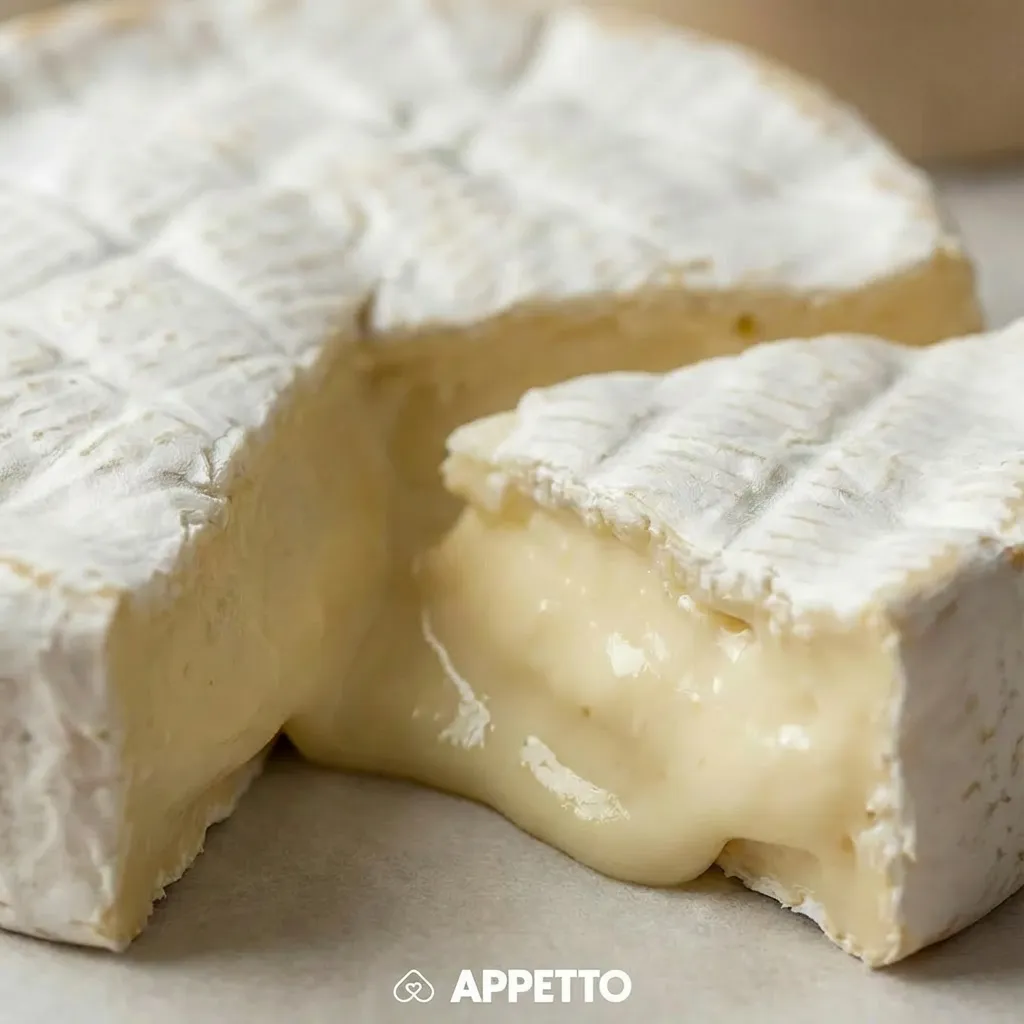
Coulommiers should be avoided for cats. This fatty and salty cheese is not suitable for an obligate carnivore, and its residual lactose content can cause digestive issues. Even if your cat stares at it as if having a divine revelation, the answer is still no: it’s not a good feline treat.
Quick verdict
- For cats: avoid.
- Keep in mind: fat, salt, and lactose can cause vomiting, diarrhea, and overload in sensitive cats.
Coulommiers for cats: allowed, limit, or forbidden?
Coulommiers is not recommended for cats. Dairy products are often poorly digested, and fatty cheeses increase the risk of diarrhea, vomiting, weight gain, or renal overload in sensitive cats.
Is Coulommiers dangerous or toxic to cats?
Coulommiers is not strictly toxic, but it can be dangerous in large quantities or for a sensitive cat. Salt increases the kidney load, fats promote digestive issues, and lactose can ferment in the gut.
What are the possible benefits?
The benefits are very limited. Cats do not need cheese to meet their nutritional needs.
- A little protein, but not needed in this form.
- Appealing taste, but no real benefit to justify the risk.
What risks should you be aware of?
Coulommiers combines several unfavorable factors for cats.
- Fat and salt: weight gain, digestive issues, renal overload.
- Lactose: diarrhea, vomiting, abdominal pain.
- Parts to avoid: the whole cheese, rind, overly ripe cheese, and dishes made with Coulommiers.
How much can you give your cat?
No amount is recommended. It is better not to offer Coulommiers to a cat.
- Adult cats: avoid.
- Sensitive cats: strictly avoid.
- Kittens: completely avoid.
Can my cat eat raw, melted, or processed Coulommiers?
No. Whether plain or melted, Coulommiers remains too fatty and too salty. In recipes, it may also be mixed with garlic, onions, spices, cream, or dough.
How to prepare it properly?
- Do not prepare Coulommiers for your cat.
- Avoid leaving pieces, rinds, or cheese dishes within reach.
- In case of accidental ingestion, monitor for digestive symptoms.
When should it be avoided?
- Kittens.
- Senior cats.
- Obese, diabetic, renal-impaired, or digestively sensitive cats.
- Cats on medication or a veterinary diet.
My cat ate Coulommiers: what should I do?
If your cat swallowed a tiny crumb, keep an eye on them. If the amount is large, or if they vomit, have diarrhea, drink excessively, or seem lethargic, contact your vet.
What signs should you watch out for?
Vomiting, diarrhea, lethargy, loss of appetite, abdominal pain, unusual thirst, or hiding should alert you.
What are the safer alternatives?
- A suitable feline treat.
- A small piece of plain cooked turkey or chicken.
- A complete wet food tailored to their needs.
How can APPETTO help you?
APPETTO helps you understand why certain human foods aren’t suitable for cats, and then compare products using the Pet-Score®. This allows you to make more informed choices for their bowl. Download APPETTO.
FAQ
Is Coulommiers toxic to my cat?
No, not like a strict poison, but it can cause digestive upset and an overload of salt or fat.
How much Coulommiers can I give my cat?
No amount is recommended. It is better to avoid it altogether.
Can my cat eat the Coulommiers rind?
No, the rind should be avoided, especially for a sensitive cat.
Can my cat eat melted Coulommiers?
No, dishes with Coulommiers are often too fatty and sometimes contain other unsuitable ingredients.
What signs should I look out for if my cat ate Coulommiers?
Watch for vomiting, diarrhea, lethargy, abdominal pain, and loss of appetite.
Can a kitten eat Coulommiers?
No, kittens should avoid cheese and stick to a diet suited for their growth.
Coulommiers should therefore be avoided for cats: it’s too fatty, too salty, and often poorly digested. To better compare foods and products suited for your cat, APPETTO helps you with the Pet-Score®. Download APPETTO.
Credits and disclaimer
Credits: Content created by the APPETTO team based on referenced sources and our internal food classification methodology.
Disclaimer: This information is general and does not replace veterinary advice.