


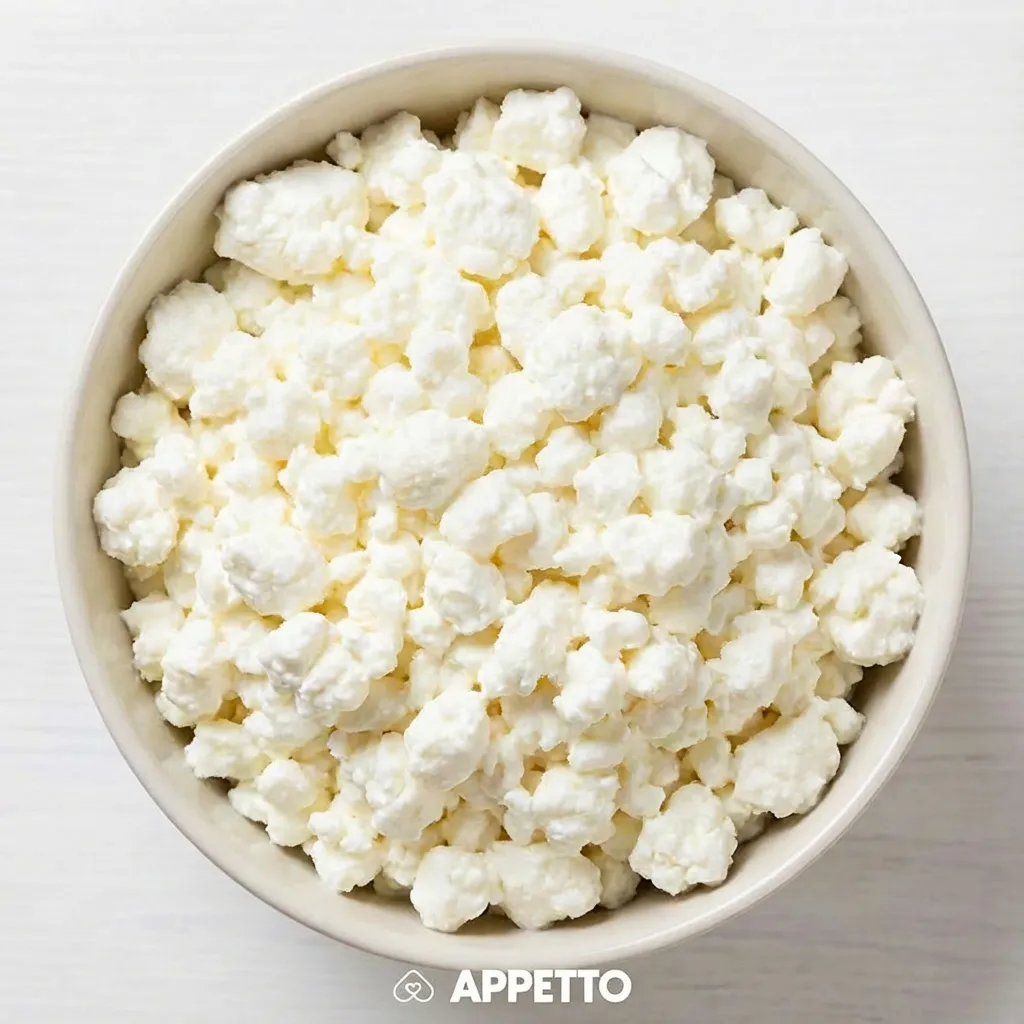
Cottage cheese can be given to dogs in moderation, provided it is plain, low in sodium, and offered in very small quantities. It is often lower in fat than other cheeses, which is a plus, but its lactose content varies. So, it’s best to stay cautious: just because it looks “healthy” in a human’s bowl doesn’t automatically make it magic in a dog’s bowl.
Quick verdict
- For dogs: allowed in moderation.
- To remember: choose a plain, low-sodium version, and test with a very small amount first.
Cottage cheese for dogs: allowed, to be limited, or forbidden?
Cottage cheese can be tolerated by some dogs, but it is not suitable for all. It contains protein and calcium, but also lactose and sometimes added salt. It should remain a very occasional treat, never a daily addition without a vet’s advice.
Is cottage cheese dangerous or toxic to dogs?
Cottage cheese is not toxic in small amounts. The main risk comes from lactose, which can cause diarrhea, gas, or vomiting in sensitive dogs. Salt and fat can also be problematic if the portion is too large or given too frequently.
What are the potential benefits?
Cottage cheese can have some benefits when well chosen, but it does not replace a complete diet.
- Protein source.
- Lower in fat than some other cheeses, depending on the chosen version.
What are the risks to be aware of?
Tolerance to cottage cheese varies greatly among dogs.
- Lactose: digestive fermentation, gas, diarrhea, or vomiting.
- Salt and fat: weight gain or increased thirst if overfed.
- Things to avoid: salted, sweetened, or flavored versions, or those mixed with ingredients like garlic, herbs, or spices.
How much can you give your dog?
If your dog tolerates it, always start with a tiny amount of plain cottage cheese.
- Small dog: half a teaspoon maximum, rarely.
- Medium dog: one teaspoon, occasionally.
- Large dog: one tablespoon maximum, if well tolerated.
Can my dog eat raw, cooked, or processed cottage cheese?
The simplest form remains plain, fresh cottage cheese. Cooked, salted, sweetened, saucy, or human-recipe versions should be avoided. Also, beware of reduced-fat products that are highly salted or flavored versions.
How to prepare it properly?
- Choose a plain cottage cheese, with no added sugar or flavors, and ideally low in salt.
- Give a very small amount the first time.
- Monitor their stool, gas, and appetite over the following hours.
When should it be avoided?
- Puppies.
- Senior dogs.
- Dogs intolerant to lactose, prone to diarrhea, overweight, or on a low-sodium diet.
- Dogs on medication or with digestive, kidney, or pancreatic issues.
My dog ate cottage cheese: what should I do?
If your dog ate a small plain amount, simply monitor their digestion. If the amount was large, if the product was salted or flavored, or if vomiting or diarrhea occurs, seek advice from your vet.
What signs should you watch out for?
Gas, diarrhea, vomiting, abdominal pain, fatigue, or loss of appetite should be red flags, especially if your dog is frail or sensitive to lactose.
What are safer alternatives?
- A suitable dog treat.
- A small piece of plain, cooked lean meat.
- A well-tolerated vegetable like cooked zucchini or carrots.
How can APPETTO help you?
APPETTO helps you compare dog food and products with a clear benchmark: the Pet-Score®. Before adding a new food to their bowl, you can better understand its limitations and make a more informed choice. Download APPETTO.
FAQ
Is cottage cheese toxic to my dog?
No, not in small plain amounts, but it can cause digestive upset if your dog has trouble digesting lactose.
How much cottage cheese can I give my dog?
A very small amount is enough: from half a teaspoon to a full teaspoon depending on their size.
Can my dog eat salted cottage cheese?
It’s best to avoid it. Choose a plain and low-sodium version.
Can my dog eat cottage cheese every day?
No, this is not recommended. It should remain a very occasional treat.
What signs should I monitor if my dog ate cottage cheese?
Watch out for gas, diarrhea, vomiting, abdominal pain, and fatigue.
Can a puppy eat cottage cheese?
It is better to avoid it without a vet’s advice, as puppies have much more sensitive digestion.
Cottage cheese may be tolerated by some dogs in very small amounts, but you need to be careful with lactose and salt. To better compare foods and products suitable for your dog, APPETTO helps you with the Pet-Score®. Download APPETTO.
Credits and disclaimer
Credits: Content created by the APPETTO team based on referenced sources and our internal food classification methodology.
Disclaimer: This information is general and does not replace veterinary advice.