


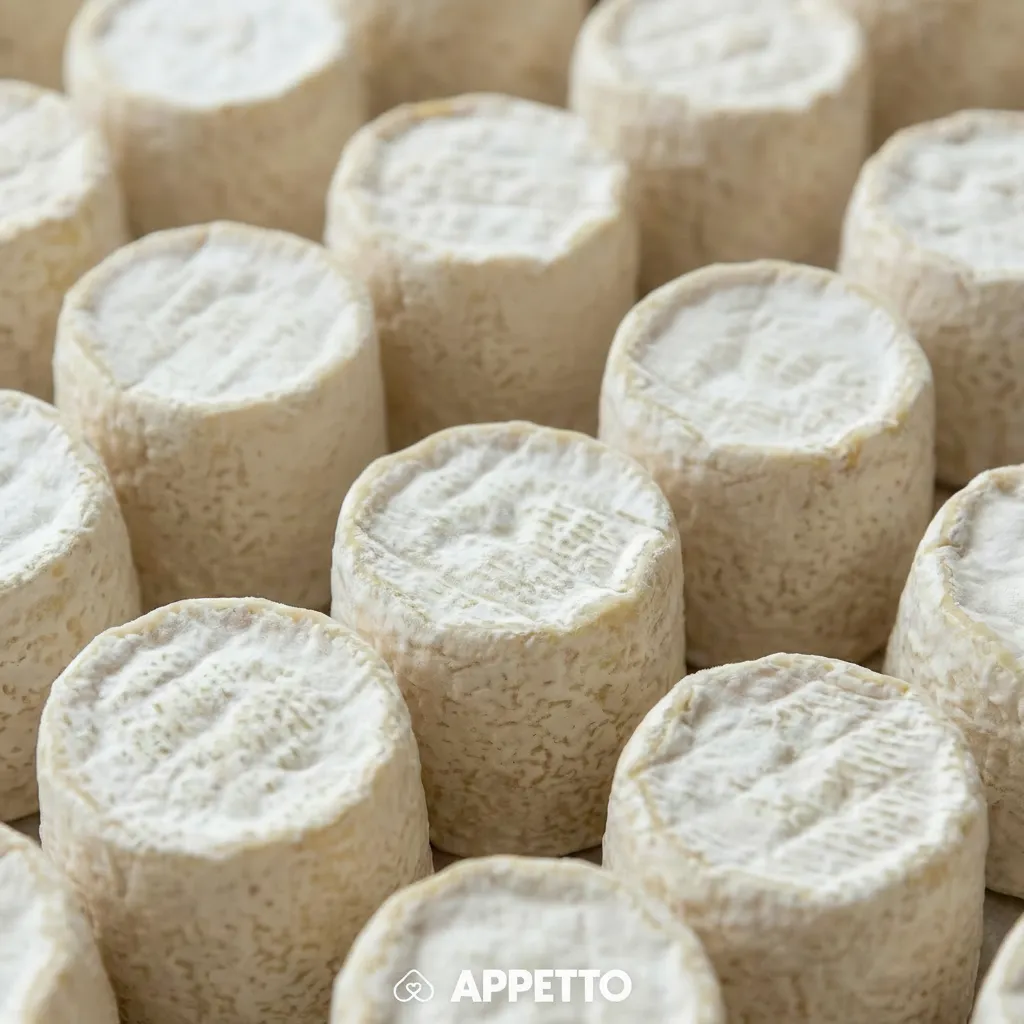
Chabichou du Poitou should be avoided for cats. This cheese may seem refined, but for a cat, refinement often stops at “I’m going to lick this and then throw up on the rug.” With its lactose, fats, salt, and virtually zero nutritional value, it’s not a good treat for a strict carnivore.
Quick verdict
- For cats: avoid.
- Key takeaway: cats often digest dairy products poorly, and this cheese adds unnecessary fat and salt.
Chabichou du Poitou for cats: allowed, limit, or forbidden?
Chabichou du Poitou is not suitable for cats. It can quickly cause digestive issues, especially in lactose-sensitive cats. Even in small amounts, its benefits are very low compared to the risk of diarrhea, vomiting, or weight gain.
Is Chabichou du Poitou dangerous or toxic for cats?
It is not toxic in the strict sense, but it can be dangerous in large quantities or for a frail cat. Lactose can lead to diarrhea due to poor digestion, while salt increases kidney load, and fats promote weight gain.
What are the potential benefits?
The benefits are minimal. Cats do not need cheese to meet their nutritional needs.
- Some protein, but unnecessary if their diet is complete.
- Calcium is present, but in a food that is too fatty and salty for a cat.
What are the risks to know?
Chabichou can be poorly tolerated, even in modest amounts.
- Lactose: diarrhea, vomiting, abdominal pain.
- Fats and salt: overweight, kidney load, digestive discomfort.
- Parts to avoid: the whole cheese, rind, dry pieces, or goat cheese dishes.
How much can you give your cat?
No amount is recommended. The safest approach is not to give any.
- Adult cat: avoid.
- Sensitive cat: strictly avoid.
- Kitten: totally avoid.
Can my cat eat raw, melted, or processed Chabichou?
No. Plain, melted, in a tart, in a sauce, or on toast, Chabichou is not recommended. Preparations often add salt, oil, dough, spices, garlic, or onion, all of which are incompatible with a cat’s diet.
How to prepare it correctly?
- Do not prepare Chabichou for your cat.
- Keep leftover cheese and cheese-based dishes out of reach.
- In case of ingestion, monitor for digestive signs.
When should it be avoided?
- Kittens.
- Senior cats.
- Obese, diabetic, kidney-impaired, or digestively sensitive cats.
- Cats on medication or a veterinary diet.
My cat ate Chabichou du Poitou: what should I do?
If your cat ate a tiny crumb, observe them. If the amount is significant, if they vomit, have diarrhea, seem in pain or lethargic, contact your vet. Frail cats should be monitored more closely.
What signs should alert you?
Vomiting, diarrhea, abdominal pain, fatigue, loss of appetite, unusual thirst, or behavioral changes should be warning signs.
What are safer alternatives?
- A suitable feline treat.
- A small piece of plain cooked chicken.
- A complete wet food tailored to their profile.
How can APPETTO help you?
APPETTO helps you better understand why some foods loved by humans are not suitable for cats. Thanks to the Pet-Score®, you can compare products and make clearer choices for their bowl. Download APPETTO.
FAQ
Is Chabichou du Poitou toxic to my cat?
No, not like a strict poison, but it can cause digestive upset and an overload of fats or salt.
How much Chabichou can I give my cat?
No amount is recommended. It is best avoided.
Can my cat eat goat cheese?
It is not recommended, as it can contain lactose, fats, and salt.
Can my cat eat melted Chabichou?
No, cheese recipes are often too greasy and sometimes contain other unsuitable ingredients.
What signs should I watch for if my cat ate Chabichou?
Watch for vomiting, diarrhea, abdominal pain, fatigue, and loss of appetite.
Can a kitten eat Chabichou du Poitou?
No, a kitten should avoid cheese and stick to a diet suited for growth.
Chabichou du Poitou should therefore be avoided for cats: too fatty, too salty, and often poorly digested. To better compare foods and products suitable for your cat, APPETTO helps you with the Pet-Score®. Download APPETTO.
Credits and disclaimer
Credits: Content developed by the APPETTO team based on referenced sources and the internal food classification methodology.
Disclaimer: This information is general and does not replace veterinary advice.