


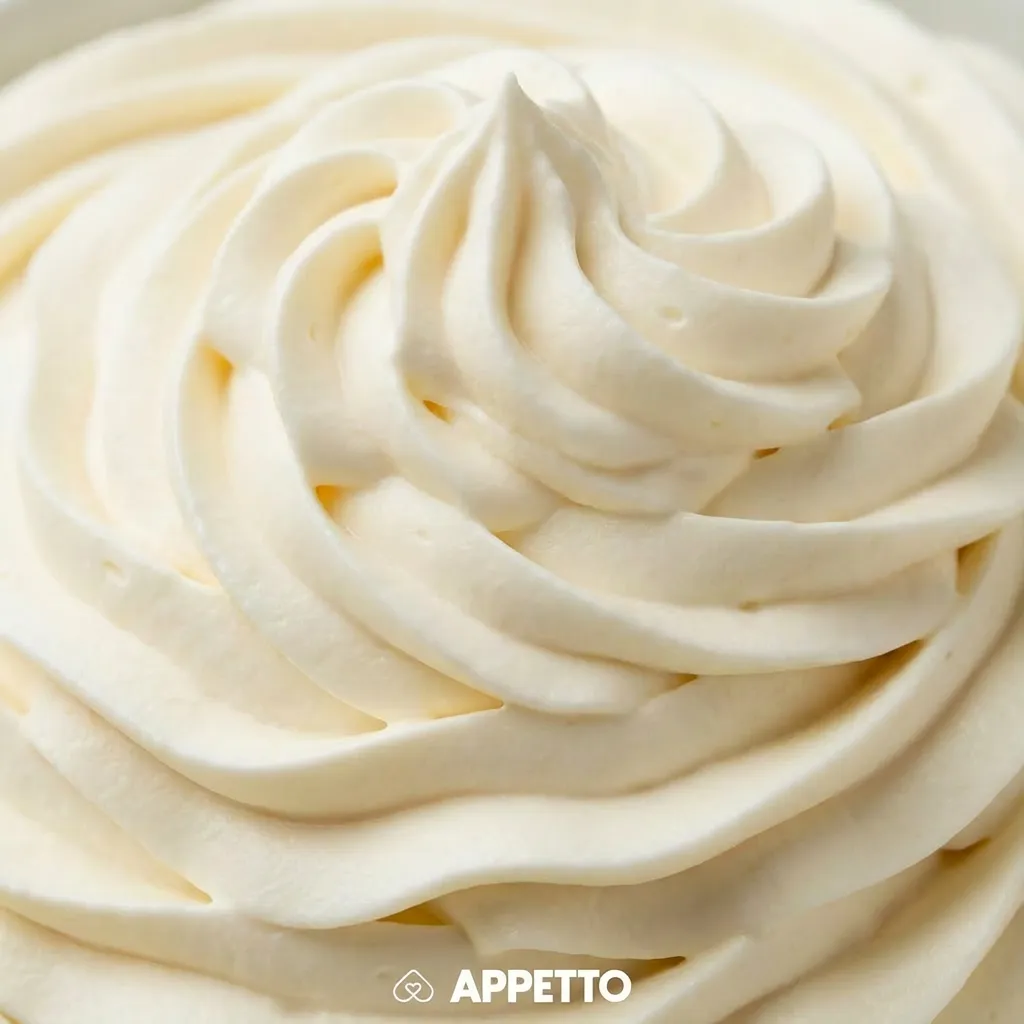
Whipped cream should be avoided for cats. It is fatty, often sweetened, sometimes flavored, and contains lactose. Even if your cat can be very convincing in front of a spoonful of whipped cream, their digestive system didn’t sign up for this fancy treat. The most common risk: vomiting, diarrhea, and digestive discomfort.
Quick verdict
- For cats: to avoid.
- Key takeaway: lactose, fat, and sugar make it an unsuitable food for cats.
Whipped cream for cats: allowed, to limit, or forbidden?
Whipped cream is not suitable for cats. Cats are strict carnivores, and sweet or fatty dairy products have no place in their diet. A tiny accidental lick can just be monitored, but you should not offer it intentionally.
Is whipped cream dangerous or toxic for cats?
It is not strictly toxic if it is plain and consumed in trace amounts, but it can cause digestive upset. Lactose is often poorly digested by adult cats, and the fats can aggravate vomiting or diarrhea.
What are the possible benefits?
There is no interesting benefit to giving whipped cream to a cat. It mostly provides empty calories.
- Palatable taste, but with no real nutritional value.
- No nutritional contribution suited to the needs of a strict carnivore.
What are the risks to know?
The risk is mainly digestive and caloric.
- Lactose: diarrhea, vomiting, gas, or abdominal pain.
- Fats and sugar: weight gain, especially in sterilized or sedentary cats.
- Things to avoid: sweetened, flavored, aerosol whipped cream, with chocolate, coffee, alcohol, or in desserts.
How much to give your cat?
No amount is recommended. It is best not to give any whipped cream to a cat.
- Adult cat: avoid.
- Sensitive cat: strictly avoid.
- Kitten: entirely avoid.
Can my cat eat homemade whipped cream, from a can, or in a dessert?
No. Homemade whipped cream remains too fatty, aerosol whipped cream can contain additives or flavorings, and desserts often add sugar, chocolate, coffee, dough, or other unsuitable ingredients.
How to prepare it correctly?
- Do not prepare whipped cream for your cat.
- Keep desserts and aerosol whipped cream out of reach.
- In case of ingestion, check the amount and the associated ingredients.
When should it be avoided?
- Kittens.
- Senior cats.
- Obese, diabetic, or digestively fragile cats.
- Cats on medication, with kidney failure, or on a veterinary diet.
My cat ate whipped cream: what should I do?
For a small lick of plain whipped cream, monitor them. If your cat ate a large amount, a whole dessert, or if the whipped cream contained chocolate, coffee, alcohol, or sweeteners, contact your vet.
What signs should you watch out for?
Vomiting, diarrhea, abdominal pain, fatigue, loss of appetite, hiding, or changes in behavior should be red flags.
What are safer alternatives?
- A cat-friendly treat.
- A small piece of plain cooked chicken.
- Complete wet food suited to their profile.
How can APPETTO help you?
APPETTO helps you tell the difference between a human treat and a food truly adapted to cats. Thanks to the Pet-Score®, you can compare products and choose more clearly for their bowl. Download APPETTO.
FAQ
Is whipped cream toxic to my cat?
Not necessarily in a plain trace amount, but it can cause diarrhea, vomiting, and weight gain.
How much whipped cream can I give my cat?
No amount is recommended. It is best to avoid it.
Can my cat eat homemade whipped cream?
No, it remains too fatty and contains lactose.
Can my cat eat canned whipped cream?
No, it may contain sugar, flavorings, or additives, in addition to lactose and fats.
What signs should I monitor if my cat ate whipped cream?
Watch out for vomiting, diarrhea, abdominal pain, lethargy, and loss of appetite.
Can a kitten eat whipped cream?
No, a kitten must maintain a tailored diet and avoid fatty dairy products.
Whipped cream is therefore to be avoided for cats: too fatty, sweet, unsuitable, and often poorly digested. To better compare suitable foods and products, APPETTO helps you with the Pet-Score®. Download APPETTO.
Credits and disclaimer
Credits: Content created by the APPETTO team based on referenced sources and our internal food classification methodology.
Disclaimer: This information is general and does not replace the advice of a veterinarian.