


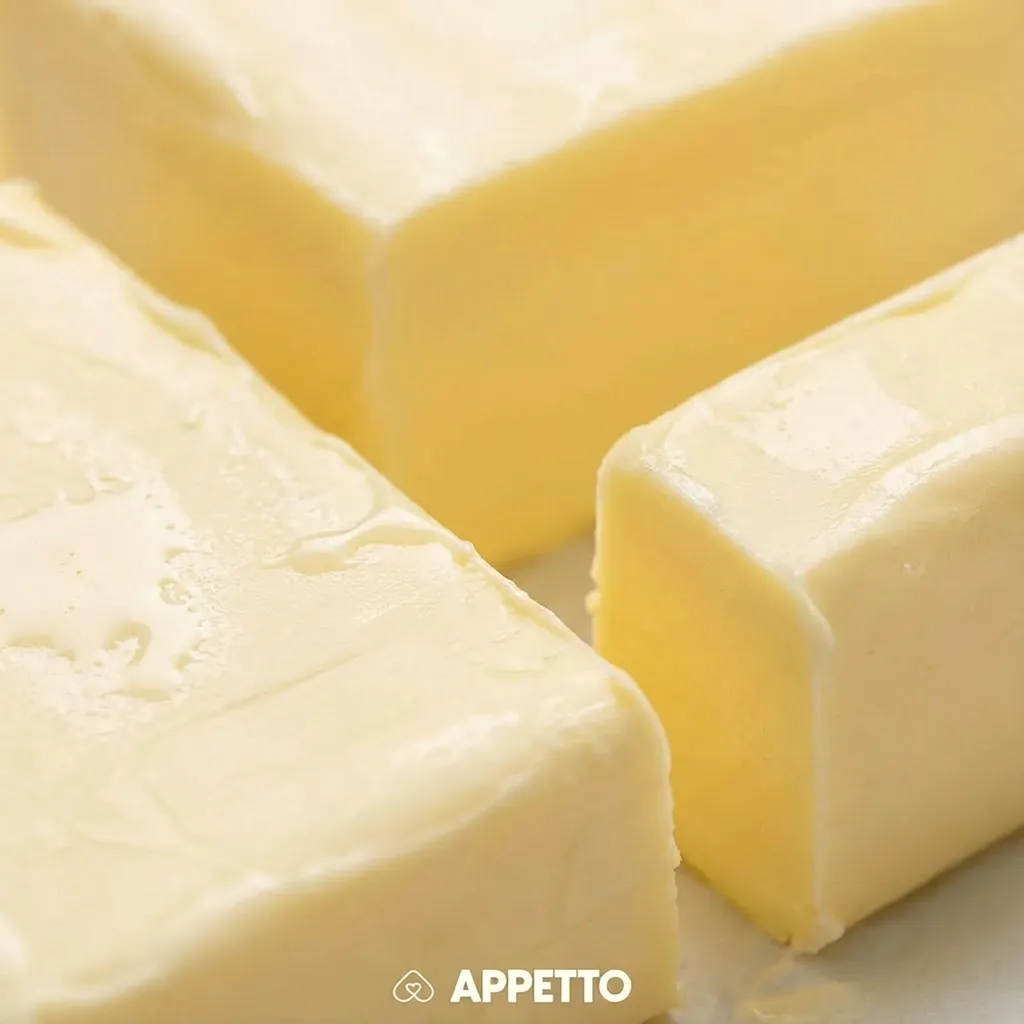
Unsalted butter should be avoided for cats. Even without added salt, it remains very fatty, high in calories, and of little use to a strict carnivore. Some cats love licking butter, obviously, because their talent for pinpointing exactly what they shouldn’t eat is almost artistic. But when it comes to digestion and weight, it’s not a good idea.
Quick verdict
- For cats: to be avoided.
- Key takeaway: unsalted butter mainly provides fats and can cause vomiting, diarrhea, or weight gain.
Unsalted butter for cats: allowed, to be limited, or forbidden?
Unsalted butter is not suitable for cats. It contains few useful elements for them and a lot of fat. Even if a tiny accidental lick doesn’t always cause symptoms, it’s better not to use it as a treat.
Is unsalted butter dangerous or toxic for cats?
Unsalted butter is not toxic like some forbidden foods, but it can become dangerous in excessive amounts. Its high fat content can cause digestive issues, promote weight gain, and, in some frail cats, worsen digestive discomfort.
What are the possible benefits?
The benefits of unsalted butter for cats are very minimal. It does not meet their main needs, which rely on a complete diet rich in appropriate animal proteins.
- Appetizing taste, but this is not a sufficient nutritional criterion.
- Energy intake, but too fatty and not highly relevant.
What are the risks to know?
Unsalted butter can cause problems even without salt, especially if the cat eats more than a lick.
- Fats: vomiting, diarrhea, or digestive discomfort.
- Calories: weight gain, especially in neutered cats.
- Parts to avoid: all butter should be avoided, especially in pastries, on toast, in sauces, or in cooked dishes.
How much to give your cat?
No amount of unsalted butter is recommended for cats. If your cat licked a little, observe them, but avoid repeating it.
- Adult cat: avoid; an accidental lick just needs monitoring.
- Sensitive cat: avoid entirely.
- Kitten: avoid, as their diet must remain tailored to their growth.
Can my cat eat raw, melted, or cooked butter?
Raw, melted, or cooked butter remains too fatty. Biscuits, brioches, sauces, purees, or leftovers cooked with butter should be avoided, as they can also contain salt, sugar, garlic, onion, or other unsuitable ingredients.
How to prepare it correctly?
- Do not prepare butter for your cat.
- Do not leave buttered toast, dishes, or pastries within reach.
- Choose a suitable feline treat if you want to please them.
In which cases should it be avoided?
- Kittens.
- Senior cats.
- Neutered, overweight, or diabetic cats, or those prone to digestive issues.
- Cats on medication, with kidney failure, or on a veterinary diet.
My cat ate unsalted butter: what should I do?
If your cat licked a tiny trace, simply monitor their behavior and stool. If they ate a large amount, are vomiting, have significant diarrhea, or seem lethargic, contact your vet.
What signs should alert you?
Watch for vomiting, diarrhea, fatigue, loss of appetite, abdominal pain, hiding, or behavioral changes. In cats, subtle signs can be important.
What are safer alternatives?
- A treat formulated for cats.
- A small piece of plain cooked chicken.
- A complete wet food adapted to their age and lifestyle.
How can APPETTO help you?
APPETTO helps you tell the difference between “my cat likes this” and “this is actually suited for their diet”. Thanks to the Pet-Score®, you can compare products and choose more confidently what ends up in their bowl. Download APPETTO.
FAQ
Is unsalted butter toxic to my cat?
No, not strictly speaking, but it is too fatty and can cause digestive issues.
How much unsalted butter can I give my cat?
No amount is recommended. It is better not to give any deliberately.
Can my cat eat melted butter?
No, melted or not, butter remains a concentrated fat.
Can my cat eat a butter pastry?
No, pastries are often too fatty, sugary, and sometimes made with dangerous ingredients.
What signs should I watch for if my cat ate butter?
Watch for vomiting, diarrhea, fatigue, loss of appetite, or behavioral changes.
Can a kitten eat unsalted butter?
No, it’s best to avoid it. Kittens need to maintain a diet suited to their age.
Unsalted butter therefore has no place in a cat’s diet: too fatty, of little use, and sometimes poorly tolerated. To better understand products and make more informed choices, APPETTO helps you with the Pet-Score®. Download APPETTO.
Credits and disclaimer
Credits: Content created by the APPETTO team based on referenced sources and our internal food classification methodology.
Disclaimer: This information is general and does not replace veterinary advice.