


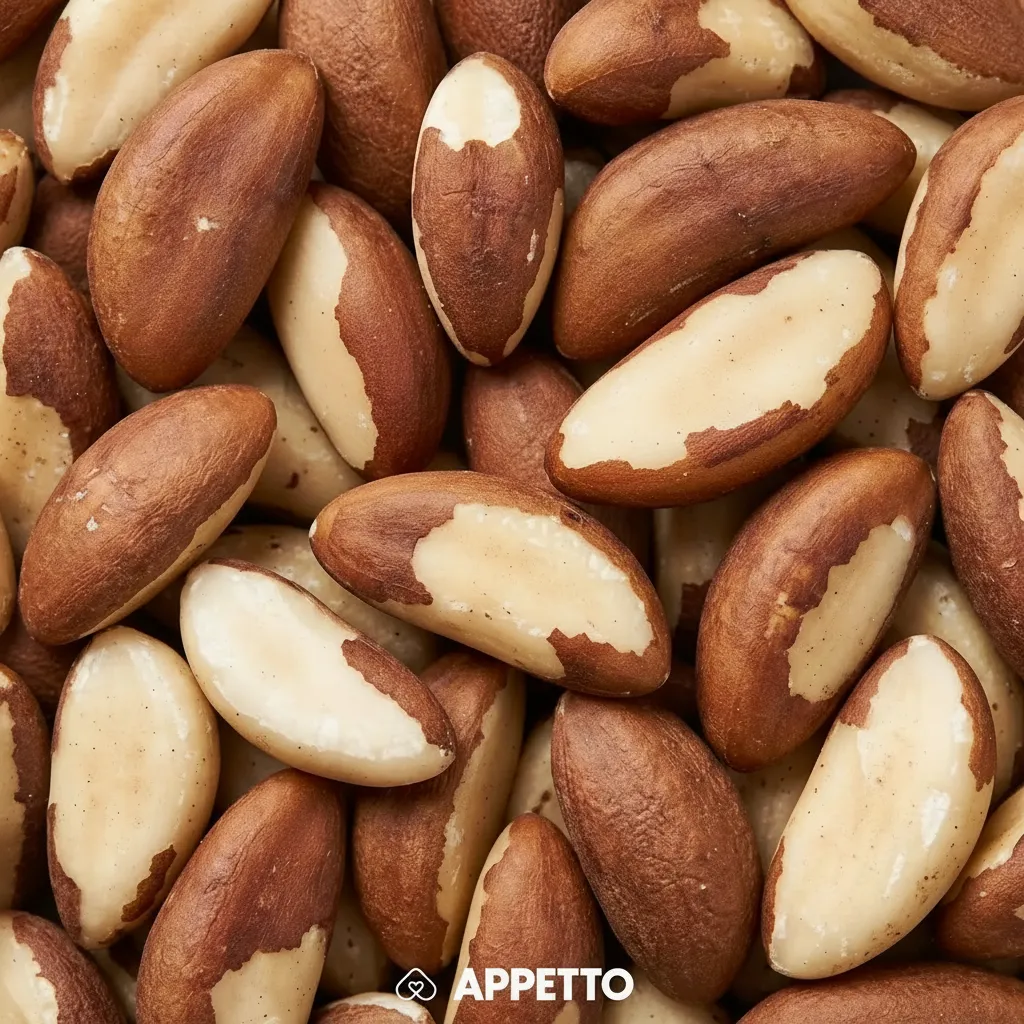
If you are wondering whether you can share Brazil nuts with your feline friend, the answer is clear: they are to be avoided. While they are considered edible, it is highly recommended to exclude them from a cat’s diet as a precaution.
Why Should You Avoid Feeding Brazil Nuts to Cats?
The available data shows that Brazil nuts offer no nutritional value or benefits for cats. On the contrary, they are fatty and indigestible, presenting several risks:
- Nutritional Risk from Fats: Brazil nuts are very high in fat. Ingesting them can lead to digestive issues such as diarrhea and vomiting.
- Chemical Toxicity from Selenium: These nuts contain high levels of selenium, presenting a risk of overdose. Scientific explanations indicate that an accumulation of selenium can lead to digestive signs and weakness.
Unsafe Parts and Preparation
Whether raw or cooked, the data on Brazil nuts remains unfavorable for cats. Additionally, specific parts like the shell, as well as any altered or spoiled nuts, are strictly bad for them.
Vulnerable Cats and Symptoms to Watch For
Senior cats have a reduced tolerance to fats, making them particularly vulnerable to the risks associated with eating Brazil nuts. If a cat consumes these nuts, the following symptoms may appear:
- Vomiting
- Diarrhea
What to Do in Case of Ingestion
If your cat has eaten Brazil nuts, closely monitor them for any signs of vomiting or diarrhea. If these symptoms appear, persist, or seem concerning, it is advised to contact a veterinarian. Please note that this article cannot be used to assess the individual severity of an ingestion incident.
About APPETTO
To learn more about what is safe for your furry friends, you can download APPETTO. This application helps users better understand the diets of dogs and cats by allowing them to consult detailed information about various foods.
This article is provided for informational purposes only and does not replace the advice or diagnosis of a veterinarian. A veterinarian should be consulted if any concerning or persistent symptoms occur.