


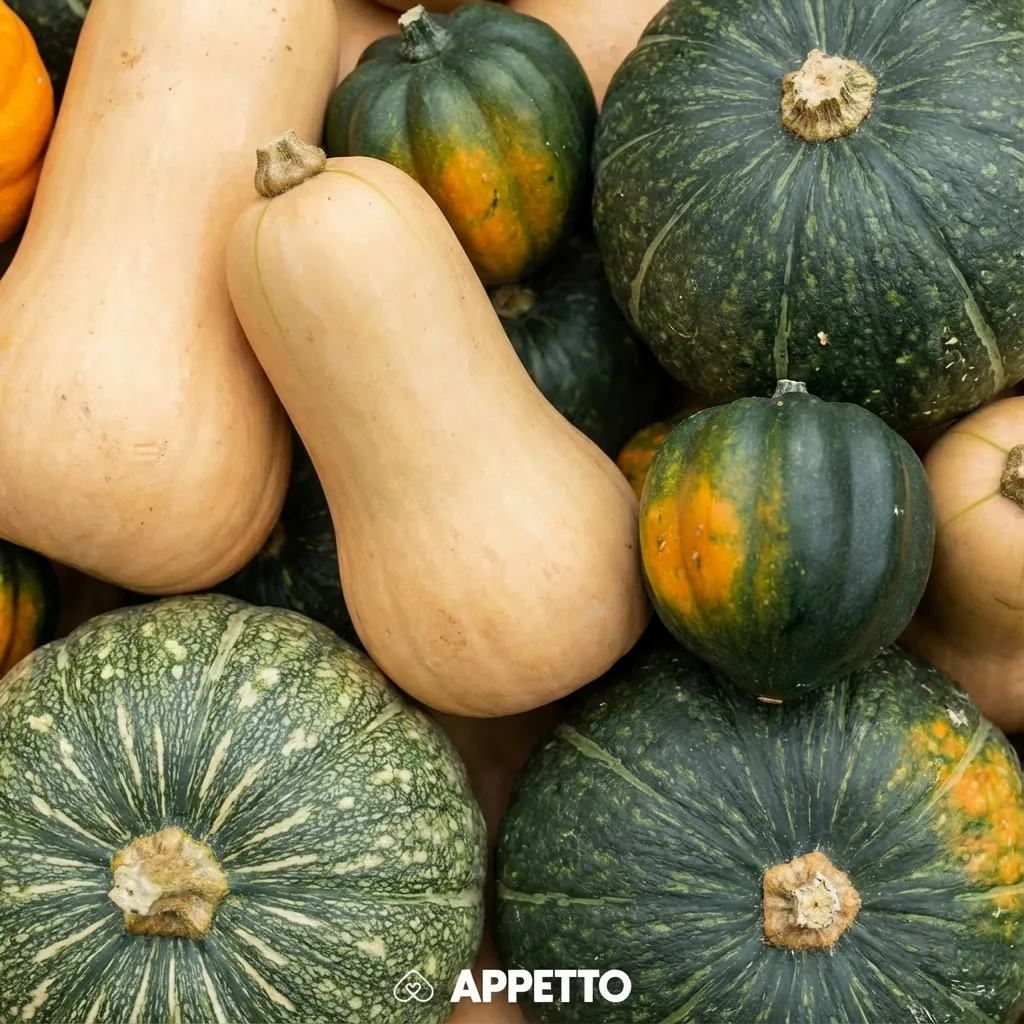
Many cat owners wonder if they can safely share pumpkin seeds with their feline friends. The answer is yes, cats can eat pumpkin seeds, provided they are given in moderation and prepared correctly.
Potential Benefits and Mechanisms
Pumpkin seeds offer some interesting benefits for cats, primarily serving as digestive support. They contain soluble fibers that retain water, which helps regulate stool consistency and support proper intestinal transit.
Additionally, pumpkin seeds are often used as a traditional, mild alternative to help against worms. This is due to a compound called cucurbitacin, which immobilizes certain intestinal parasites, facilitating their evacuation. However, it is important to note that while they provide a natural deworming interest and have no reported chemical toxicity, they do not replace a proper veterinary treatment. Their overall nutritional value remains low.
How to Safely Prepare Pumpkin Seeds
To safely feed pumpkin seeds to your cat, you must use only the hulled kernel of the seed. Whether the seeds are raw or cooked does not matter, but they must be ground and added to the cat’s food in very small quantities. You should never give your cat the hard outer shells or whole seeds.
Risks to Consider
Despite being allowed, pumpkin seeds carry a few risks if not managed properly:
- Nutritional risk: Due to their caloric density and high fiber content, an excessive dose can cause a laxative effect and lead to diarrhea.
- Mechanical risk: Feeding hard shells or unground whole seeds presents a risk of intestinal obstruction.
Vulnerable Cats
Kittens, senior cats, and cats with sensitive intestines are particularly vulnerable. If you decide to introduce ground pumpkin seeds into their diet, you must ask for advice and increase the amount very progressively while monitoring their tolerance.
Symptoms to Watch For
If your cat ingests whole seeds, shells, or an excessive amount of ground seeds, they may experience the following symptoms:
- Diarrhea
- Vomiting
- Bloating
- Constipation (if the seeds form a mass in the digestive tract)
If you notice these symptoms appearing, persisting, or if they seem concerning, you should contact a veterinarian.
Learn More About Your Cat’s Diet
To help you better understand your dog or cat’s diet and check information about various foods, you can download the APPETTO application.
This article is provided for informational purposes only and does not replace the advice or diagnosis of a veterinarian. Always consult a veterinarian if your pet shows concerning or persistent symptoms.