


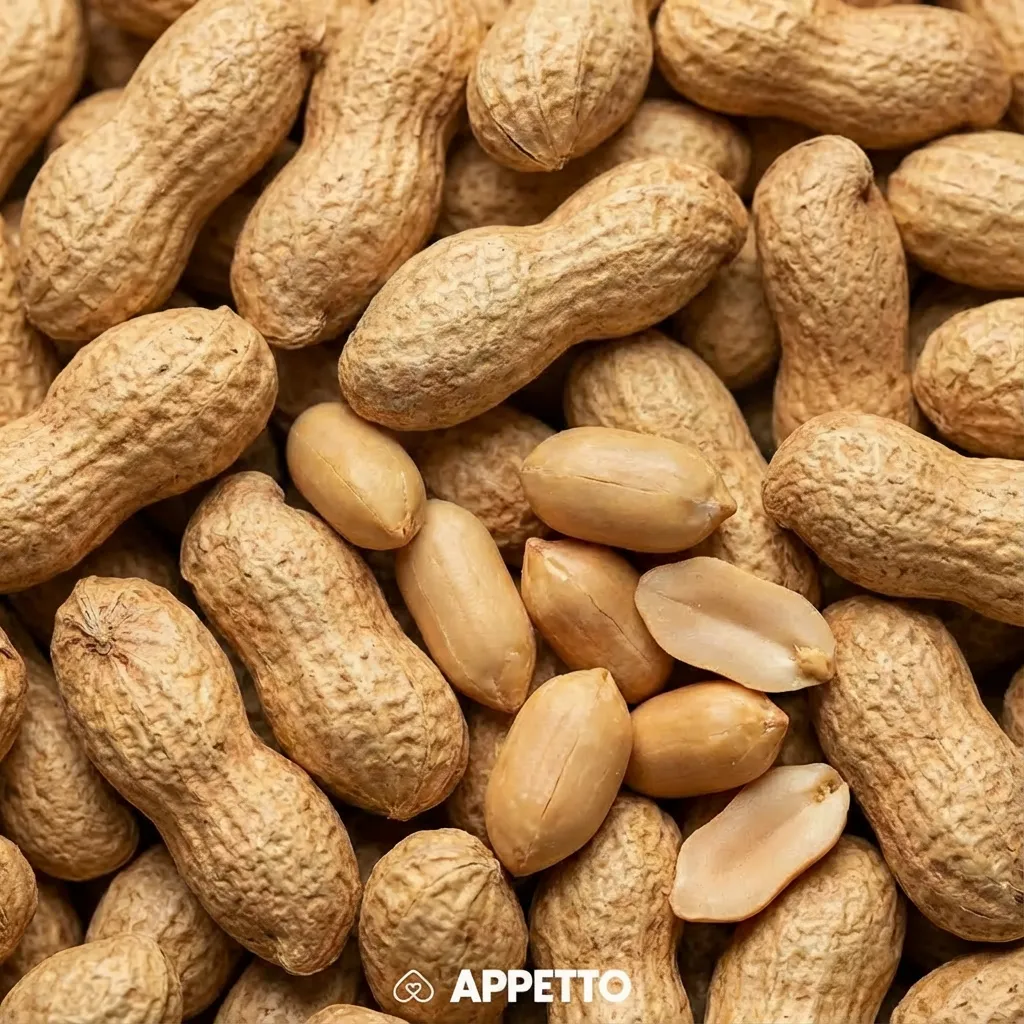
Many pet owners wonder if their dogs can eat peanuts. The answer is yes, but they are allowed in moderation. While peanuts can be offered occasionally as a rare treat, specific precautions must be followed to keep your dog safe.
Benefits and Nutritional Value
Peanuts provide plant proteins and a quick source of energy. However, their daily benefit is limited, and their overall nutritional value for dogs is considered low in this context.
Safe Preparation for Dogs
If you choose to share peanuts with your dog, it is essential to prepare them correctly:
- Allowed parts: Opt for shelled, unroasted, and crushed peanuts. Serving them raw in crumbs helps limit choking hazards.
- Parts to avoid: The hard shell should never be given to your dog.
Portions should always remain small, and peanuts should never become a daily staple in your dog’s diet.
Potential Risks and Scientific Mechanisms
Feeding peanuts inappropriately can expose your dog to several risks:
- Nutritional risk: Peanuts (Arachis hypogaea) have a high fat content. These elevated lipids can cause caloric overload and pancreatic overload, which may promote the development of pancreatitis.
- Mechanical risk: Giving a whole peanut can lead to choking.
- Chemical toxicity: There is a theoretical risk of aflatoxins if the peanuts have been poorly stored.
- Allergy risk: Dogs can also suffer from peanut allergies.
Breeds that are predisposed to pancreatitis, such as the Schnauzer, are particularly vulnerable and require extra caution.
Symptoms to Monitor and What to Do
After your dog eats peanuts, it is advisable to monitor for any digestive or allergic signs. Possible symptoms include:
- Vomiting and diarrhea
- Pruritus (itching)
- Facial swelling (a sign of allergy)
If these symptoms appear, persist, or seem concerning, it is recommended to contact a veterinarian. Since this article cannot assess the individual severity of the ingestion, careful observation is essential.
Discover the APPETTO Application
To learn more about your pet’s diet, the APPETTO application helps users better understand the diet of dogs and cats and consult information on various foods. Find more details on APPETTO.
This article is provided for informational purposes only. It does not replace the advice or diagnosis of a veterinarian. A veterinarian should be consulted if concerning or persistent symptoms occur.