


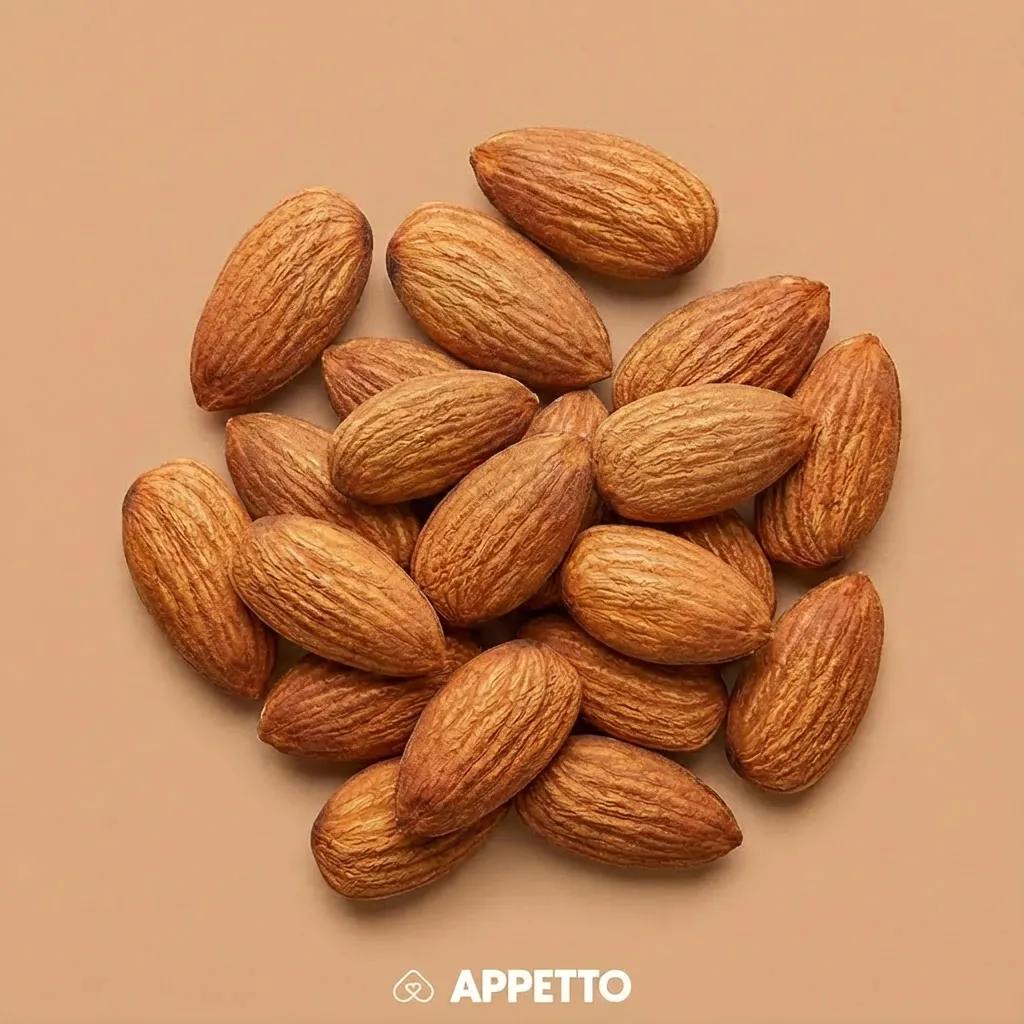
If you are wondering whether you can share almonds with your feline friend, the short answer is that they are to be avoided.
Nutritional Value and Benefits
Data indicates that almonds have no nutritional value for cats and offer no health benefits.
Major Risks and Scientific Explanations
Feeding almonds to a cat presents multiple significant dangers:
- Chemical Toxicity: Bitter almonds are highly toxic. They contain cyanogenic glycosides which release cyanide when ingested. This can lead to tissue hypoxia, a dangerous condition where cells are deprived of oxygen.
- Nutritional Risk: Sweet almonds are very fatty and hard for cats to digest. The high plant lipids can cause a pancreatic overload, resulting in inflammation (pancreatitis) and contributing to weight gain. Additionally, insoluble fibers can cause intestinal irritation.
- Mechanical Risk: Uncrushed, whole, and hard almonds pose a choking hazard and can block the throat or intestines.
Specific Parts and Preparation
All bitter almonds and whole, uncrushed almonds must be strictly avoided. There is no beneficial part of the almond for a cat. Whether raw or cooked, consumption is generally not recommended. While some sources suggest that a healthy cat might occasionally tolerate a single almond at most, it is widely advised to avoid them entirely.
Vulnerable Cats
Kittens, seniors, overweight cats, and those prone to pancreatitis are particularly vulnerable to the risks associated with almonds.
Symptoms to Watch For and Action to Take
If your cat ingests almonds, especially bitter ones, they may experience the following poisoning symptoms:
- Vomiting
- Diarrhea
- Breathing difficulties
- Lethargy
- Convulsions
Given the potential toxicity, particularly concerning bitter almonds, it is essential to monitor your cat closely. If any of these symptoms appear or seem concerning, you must consult a veterinarian urgently.
Learn More with APPETTO
The APPETTO application helps users better understand the dietary needs of dogs and cats, allowing you to check information on various foods easily.
This article is provided for informational purposes only. It does not replace the advice or diagnosis of a veterinarian. A veterinarian must be consulted in case of concerning or persistent symptoms.