


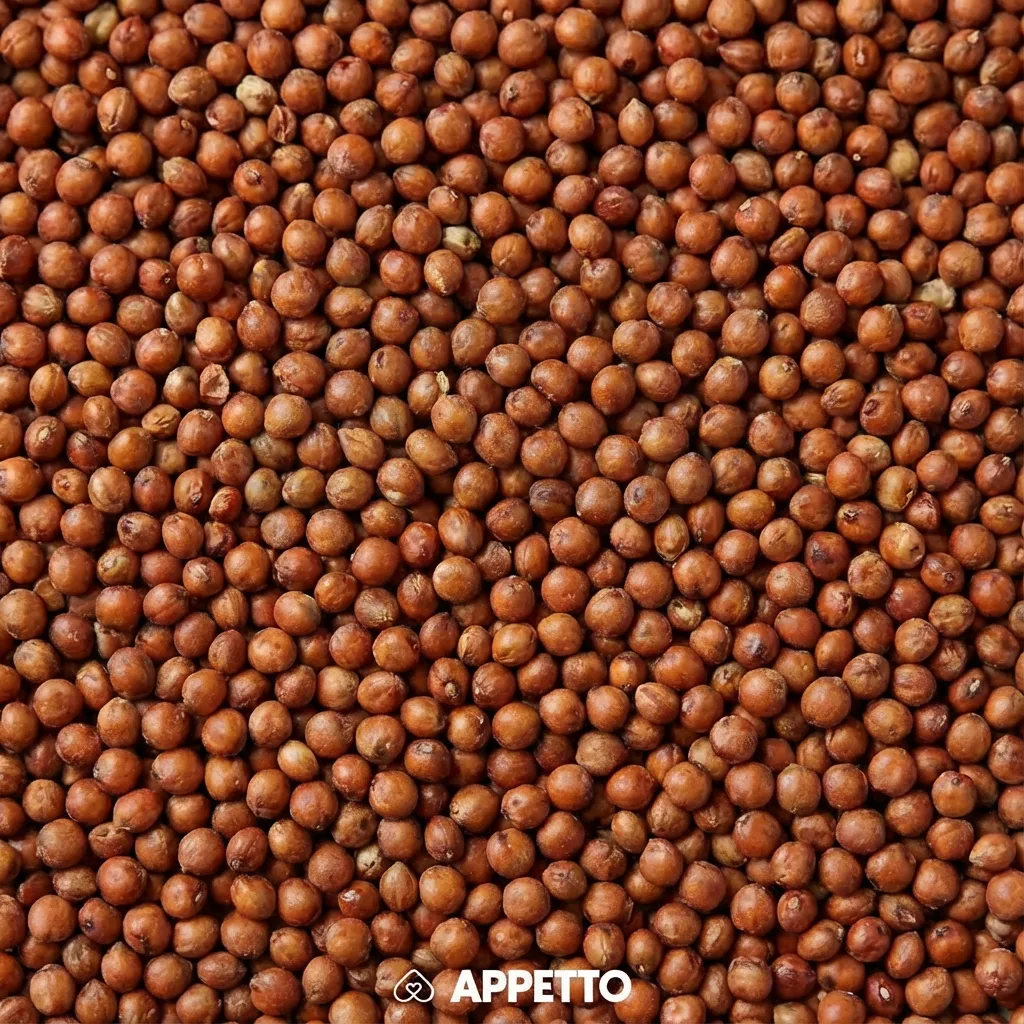
It is possible to feed sorghum to a dog, but this food is only allowed in moderation. While sometimes used as a dietary supplement, its overall nutritional value for dogs is considered low.
Characteristics of Sorghum
Sorghum has the advantage of being a gluten-free cereal with a moderate glycemic index. It also provides fibers.
Scientifically, sorghum contains resistant starch. This starch undergoes colonic fermentation, which provides energy to the colon. Additionally, the fibers contribute to moderate transit regulation. To ensure better digestibility, sorghum must always be served cooked.
Risks and Precautions
Although sorghum is gluten-free, there is a risk of hypersensitivity, as rare reactions to cereal proteins can occur. The primary nutritional risk is associated with the calories from starch, which can lead to weight gain. Sedentary dogs are particularly vulnerable to the risk of being overweight from a caloric excess.
Symptoms to Monitor
In cases of individual intolerance or inappropriate consumption, digestive issues may appear. Possible symptoms include :
- Vomiting
- Diarrhea
- Flatulence
If you observe these symptoms in your dog after they have eaten sorghum, monitor their condition and contact a veterinarian if the signs persist or worsen. This article cannot evaluate your pet’s individual situation.
About APPETTO
To better understand your dog’s diet, the APPETTO application allows you to consult detailed information about various foods. You can download it through this link: https://www.download.appetto.co.
This article is provided for informational purposes only. It does not replace the advice or diagnosis of a professional. A veterinarian must be consulted in the event of concerning or persistent symptoms.