


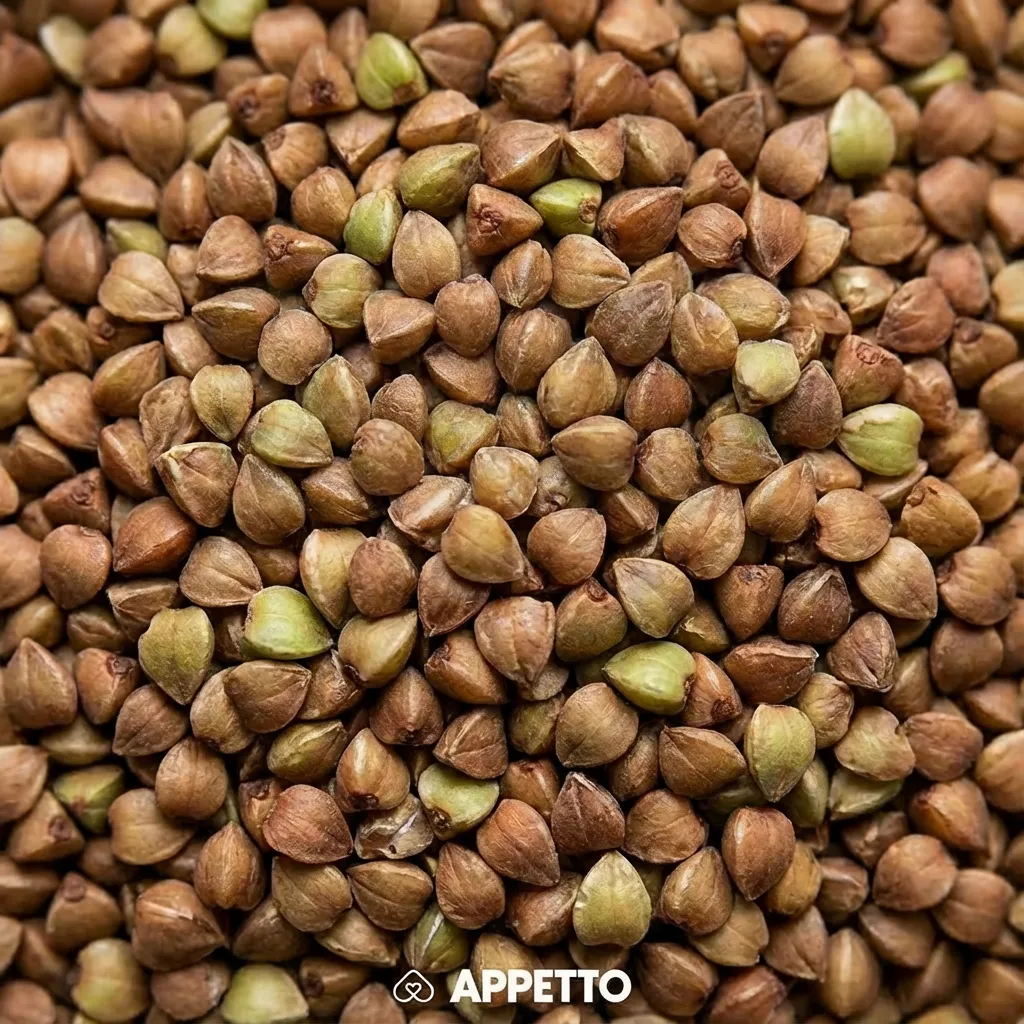
When it comes to feeding buckwheat to dogs, opinions are divergent. While this cereal can be used as a supplement, certain precautions are necessary due to the associated risks.
Nutritional Value and Benefits
Buckwheat has a low nutritional value for dogs. However, it provides moderate dietary fibers, particularly insoluble fibers, which help moderate intestinal transit and stool volume. It can also provide an energy supply for an occasional need: cooked starch serves as a source of rapid glucose, offering immediate energy.
Preparation: Raw or Cooked?
Buckwheat should always be preferred cooked. Cooking gelatinizes the starch, making it better tolerated by the dog. Conversely, eating raw, dry grains presents a mechanical risk of choking if swallowed.
Potential Risks
General recommendations advise avoiding large quantities and limiting this type of cereal, as it is not indispensable. Giving buckwheat to a dog involves several risks:
- Chemical toxicity: The presence of oxalic acid poses a renal risk, with possible kidney irritation.
- Nutritional risk: The starch can lead to weight gain if frequent portions are given.
- Gastrointestinal issues: Consuming buckwheat in excess can cause gastrointestinal troubles.
Vulnerable Dogs
Puppies are particularly vulnerable due to their immature digestive system. Overweight dogs are also at higher risk because of their sensitivity to calories.
Symptoms to Watch and What to Do
If your dog consumes a problematic amount of buckwheat, the following symptoms may appear:
- Vomiting
- Diarrhea
- Bloating
- Lethargy
If these symptoms occur, monitor your dog closely. Contact a veterinarian if the signs persist, worsen, or seem concerning. Please note that this article does not allow for an individual assessment of the severity of the ingestion.
Discover the APPETTO App
To help you better understand the diets of dogs and cats and to check information on various foods, you can download the APPETTO application: https://www.download.appetto.co.
This article is provided for informational purposes only. It does not replace the advice or diagnosis of a veterinarian. A veterinarian must be consulted in the event of concerning or persistent symptoms.