


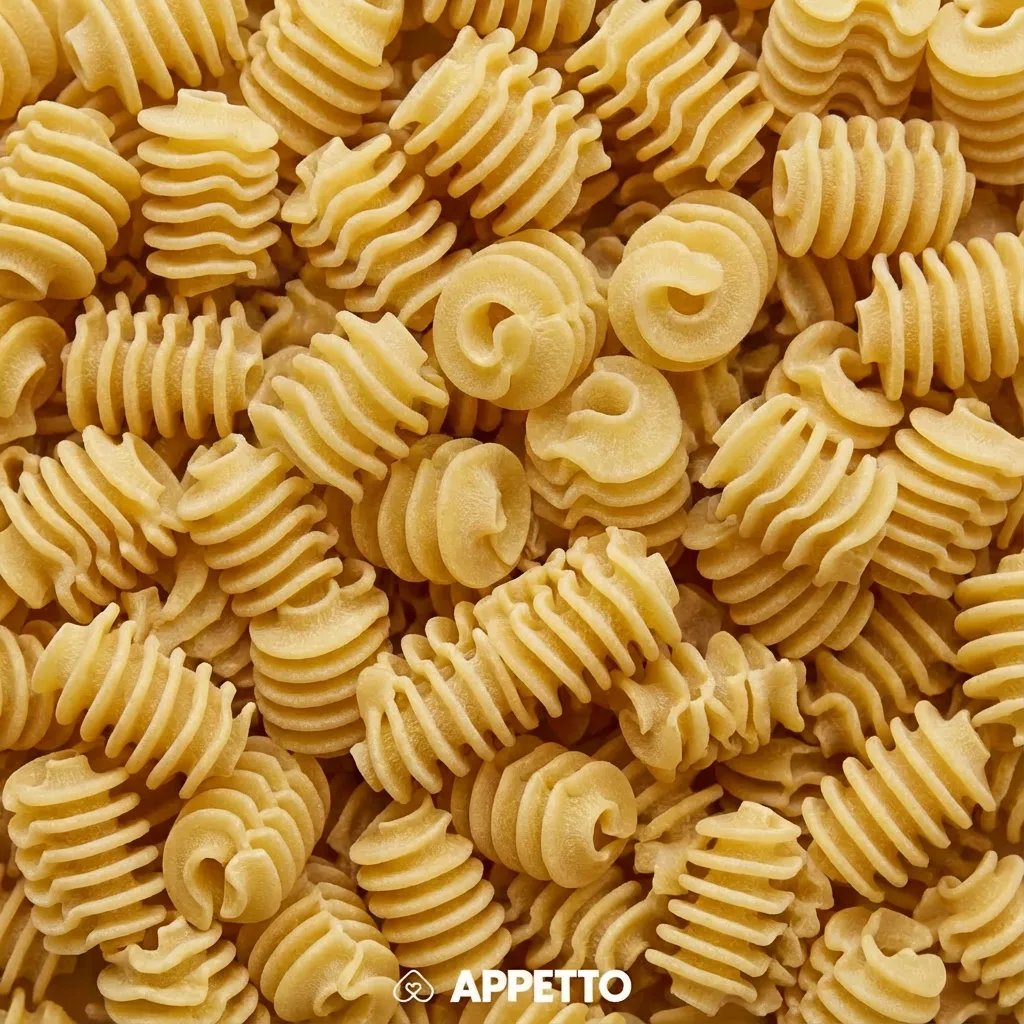
When it comes to offering radiatori pasta to a cat, there are divergent opinions. While some might consider giving this cereal product to their pet, it is important to look at what the data says about its suitability for felines.
Nutritional Value
The nutritional value of radiatori for cats is null. Scientific explanations highlight that the starch found in this food does not provide the animal proteins or taurine that are essential for a cat’s proper functioning.
Potential Risks
Feeding radiatori to a cat involves specific risks. First, there is a nutritional risk due to an excess of useless carbohydrates, which may lead to possible digestive discomfort. Additionally, there is a mechanical risk: the thick pieces of radiatori can present a choking hazard. When it comes to whether the pasta should be served raw or cooked, the data is uncertain, and it is advised to avoid it altogether as a precaution.
Symptoms to Watch For
If your cat ingests radiatori, certain symptoms may appear. The primary signs to monitor include vomiting and diarrhea.
What to Do After Ingestion
If your cat has eaten this food, observe them closely for any adverse reactions. Should symptoms like vomiting or diarrhea appear, persist, or seem concerning, contact a veterinarian. Official recommendations suggest that if radiatori is given at all, it should only be in a tiny amount and on very rare occasions.
About APPETTO
To help you better understand cat and dog nutrition, the APPETTO application allows users to consult information regarding various foods. You can download it here: APPETTO.
This article is provided for informational purposes only. It does not replace the advice or diagnosis of a veterinarian. A veterinarian should always be consulted in case of concerning or persistent symptoms.