


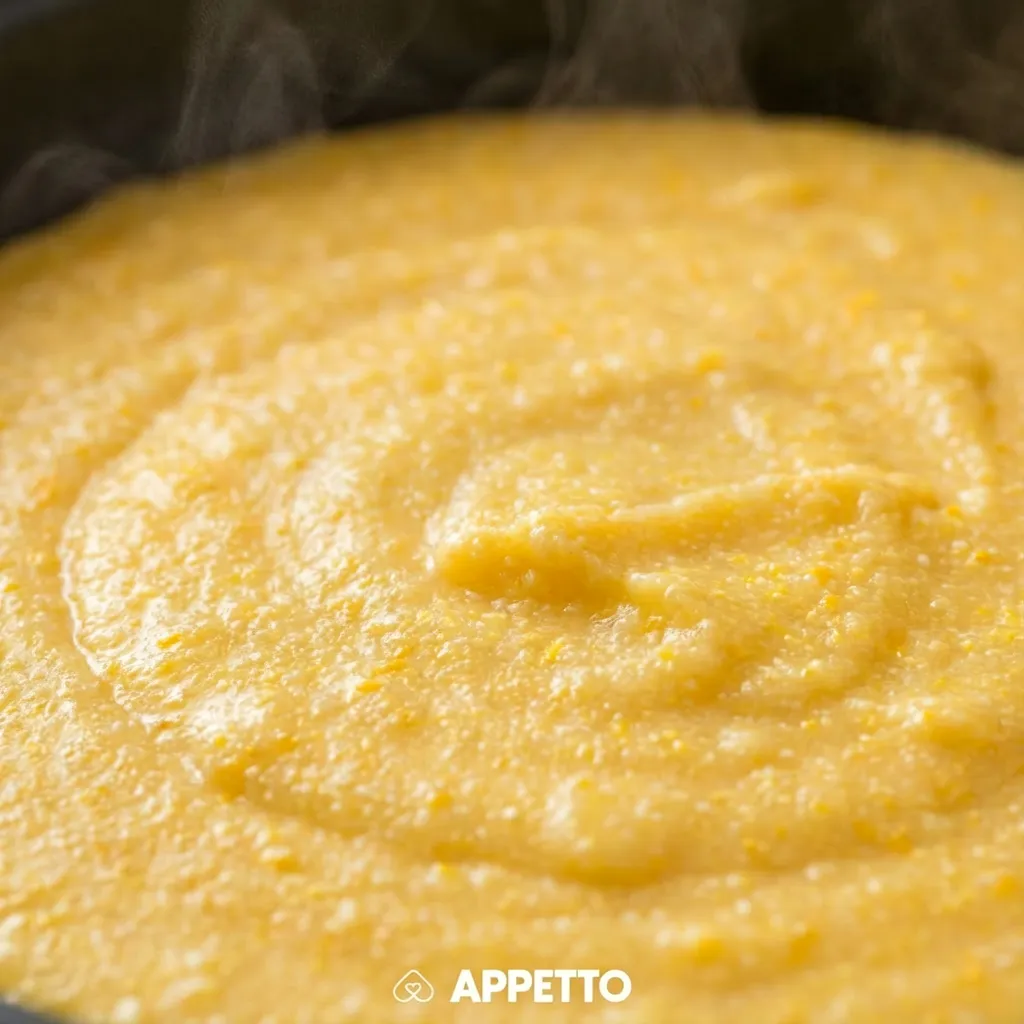
When it comes to feeding grains to our dogs, certain human foods raise questions. If you are wondering whether your dog can eat polenta, opinions are diverging. While not completely forbidden, its consumption requires caution due to its specific composition and potential risks.
Lack of Nutritional Value
Current data does not highlight any particular benefit of feeding polenta to dogs. Its nutritional interest is considered null. On the other hand, polenta is characterized by a high starch content.
Potential Risks of Polenta for Dogs
The significant amount of corn starch provides energy, but an excess can easily disturb the dog’s caloric balance. This nutritional risk, linked to an excess of carbohydrates, may promote weight gain. Furthermore, polenta presents a mechanical risk: its compact texture can lead to choking if the dog swallows large pieces.
Vulnerable Dogs
Due to the risk of weight gain associated with carbohydrates, polenta should be strictly limited for overweight dogs.
Preparation and Recommendations
Although some recommendations suggest that starchy foods can be included in a homemade diet if well cooked, it is advised to remain moderate and adjust the portions according to the individual dog. Regarding whether it should be served raw or cooked, the data remains uncertain, so it is best to avoid it as a precaution.
Symptoms to Watch For and What to Do
If a dog consumes an inappropriate amount of polenta, symptoms such as vomiting and diarrhea may appear. It is crucial to monitor your pet. If these signs occur or seem concerning, you should contact a veterinarian for proper guidance.
Discover the APPETTO App
The APPETTO application is designed to help you better understand the diets of dogs and cats. It allows you to consult helpful information about various foods. Feel free to download APPETTO to learn more.
This article is provided for informational purposes only and does not replace the advice or diagnosis of a veterinarian. Always consult a veterinary professional if your pet displays concerning or persistent symptoms.