


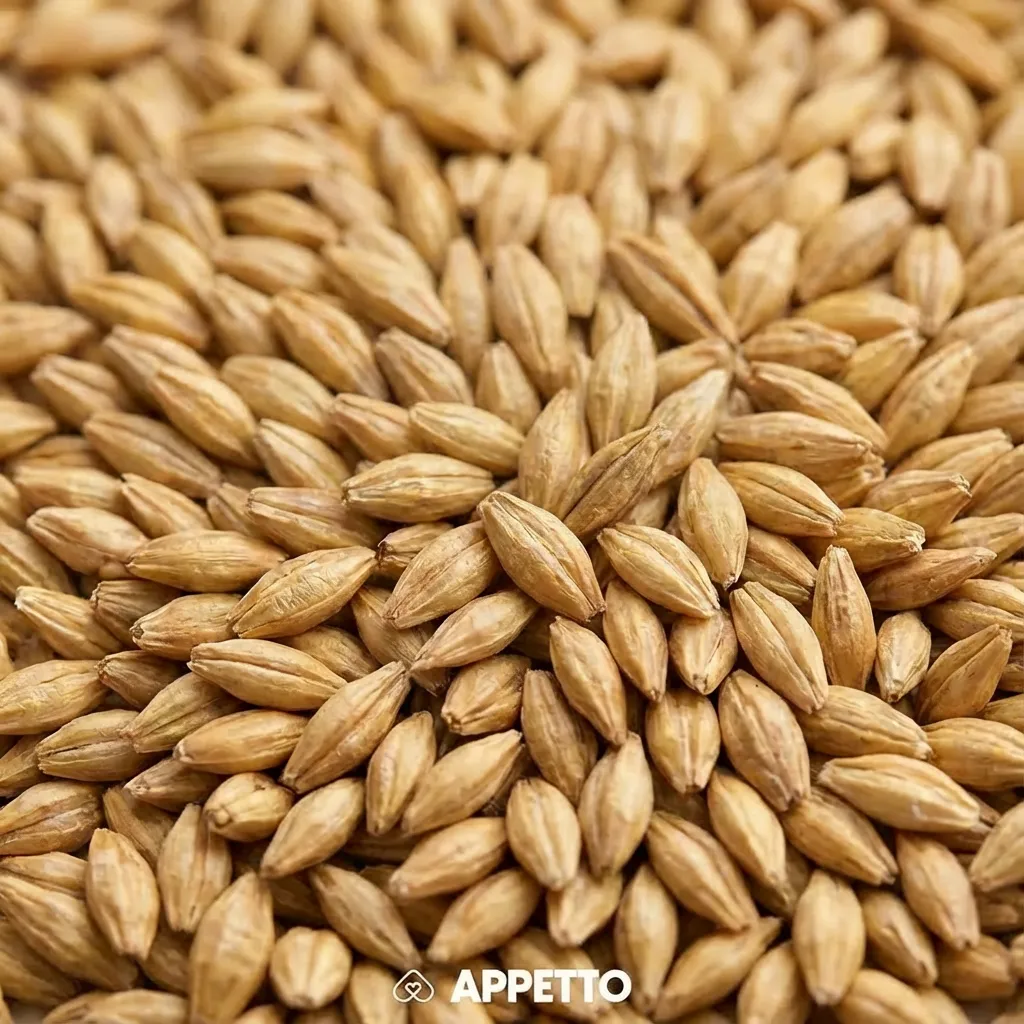
Barley is a cereal that is sometimes found in canine diets. But is it safe to give it to your dog? The answer is yes, it is authorized with moderation, provided that certain preparation rules are followed.
Benefits and nutritional value
Although its overall nutritional value is low, barley offers some benefits. It acts as an energy source and provides B vitamins. Additionally, its fibers scientifically promote a regular digestive transit. It can therefore be a useful complement and integrated into a balanced diet.
Preparation: cooked or raw?
To be safely consumed by a dog, barley grains must be completely cooked. Undercooked grains should be avoided. This complete cooking process is recommended because starch is better utilized by the body after cooking.
What are the potential risks?
There are a few risks associated with feeding barley to dogs:
- Nutritional risk: the presence of gluten can cause reactions in sensitive dogs. Large portions for these dogs are discouraged.
- Digestive risk: an excess of fibers can lead to gastrointestinal issues, especially if given in large amounts.
Symptoms to watch
If your dog has eaten too much barley or is allergic to it, several symptoms may appear:
- Vomiting
- Diarrhea
- Bloating (in case of excess)
- Pruritus (itching, in case of a gluten allergy)
Vulnerable animals
Dogs sensitive to gluten are particularly vulnerable to this food. For puppies, it is recommended to introduce this cereal gradually to prevent digestive upset.
What to do in case of ingestion issues
If your dog displays any of the symptoms mentioned after eating barley, monitor their condition closely. Should the signs persist, worsen, or seem concerning, contact a veterinarian. This article cannot evaluate the individual severity of the situation.
About APPETTO
To learn more about your pet’s diet, you can use the APPETTO application. It helps users better understand what their dogs and cats eat and allows you to consult information on various foods. You can download it here: APPETTO.
This article is provided for informational purposes only and does not replace the advice or diagnosis of a veterinarian. A veterinary professional must be consulted in case of concerning or persistent symptoms.